Introduction to Climate and Weather Factors
From the Science and weather patterns curriculum
TL;DR
Weather describes short-term atmospheric conditions like today's rain, while climate represents long-term patterns and averages of weather over decades or more. Several key factors, like solar radiation and Earth's tilt, fundamentally drive both weather events and global climate zones. Understanding these factors helps us predict and explain atmospheric phenomena.
1. The Mental Model
Think of weather as your outfit for today – it changes often based on immediate conditions. Climate, on the other hand, is your entire wardrobe – a collection of clothes suitable for different seasons over many years, showing long-term trends.
2. The Core Material
When we talk about weather and climate, we're essentially looking at the same atmospheric ingredients but over different timescales. Weather is the state of the atmosphere at a specific place and time, encompassing things like temperature, humidity, precipitation, wind, and cloudiness. It can change rapidly – from sunny to stormy in an hour. Climate is the average weather conditions for a particular region over long periods, typically 30 years or more. It's what you expect for a season or year, like "New York has cold winters."
Several primary factors influence both weather and climate:
2.1 Solar Radiation (Energy from the Sun)
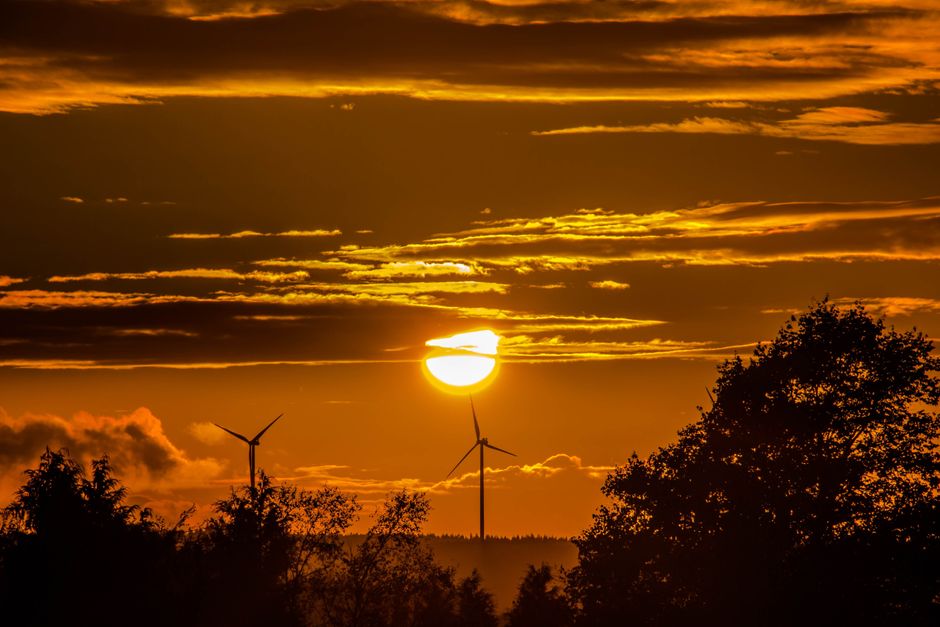
Photo by Pixabay on Pexels
The Sun is the ultimate energy source for almost all weather and climate on Earth. Solar radiation heats our planet unevenly. Areas near the equator receive more direct sunlight and thus more energy, leading to warmer temperatures. As you move towards the poles, the same amount of sunlight is spread over a larger area, making it less intense and resulting in colder temperatures. This uneven heating drives atmospheric and oceanic circulation.
2.2 Earth's Tilt and Orbit

Photo by Zelch Csaba on Pexels
The Earth isn't upright; it's tilted on its axis by about 23.5 degrees relative to its orbit around the Sun. This tilt is the primary reason we have seasons. As Earth orbits, different parts of the planet are tilted towards or away from the Sun, varying the intensity and duration of sunlight received. When the Northern Hemisphere is tilted towards the Sun, it experiences summer; when tilted away, it experiences winter.
2.3 Atmospheric Composition

Photo by Ninh Tien Dat on Pexels
The gases in our atmosphere play a crucial role. Nitrogen (about 78%) and Oxygen (about 21%) are the most abundant. However, trace gases like water vapor, carbon dioxide, methane, and ozone are incredibly important because they are greenhouse gases. These gases absorb and re-emit heat energy, trapping some of it within the atmosphere and keeping the Earth warm enough to support life – a process called the greenhouse effect. Changes in the concentration of these gases can lead to significant climate shifts.
2.4 Altitude (Elevation)
Generally, temperatures decrease as you go higher in the atmosphere (increase altitude). This is because the air becomes thinner (less dense) at higher elevations, meaning there are fewer air molecules to absorb and hold heat. This is why mountain peaks are often much colder than their bases, even if they're at the same latitude.
2.5 Landforms and Geography
The physical features of the Earth's surface greatly impact local weather and climate.
* Mountains: They act as barriers to air masses. As moist air is forced to rise over mountains, it cools, condenses, and releases precipitation on the windward side (the side facing the wind). The air then descends on the leeward side, warming and becoming drier, creating a "rain shadow" effect (e.g., deserts often found on the leeward side).
* Large Water Bodies (Oceans and Lakes): Water heats up and cools down much more slowly than land. Coastal areas tend to have more moderate temperatures (cooler summers, warmer winters) compared to inland regions at the same latitude. Oceans also drive major global current systems that redistribute heat around the planet.
Here's a diagram showing how these factors interact to influence climate:
graph TD
    A["Solar Radiation (Sun's Energy)"] --> B["Uneven Heating of Earth"]
    B --> C["Atmospheric Circulation"]
    B --> D["Oceanic Circulation"]
    A --> E["Earth's Tilt & Orbit"]
    E --> F["Seasons & Variation in Sunlight"]
    C --> G["Weather Patterns"]
    D --> G
    F --> G
    H["Atmospheric Composition (Greenhouse Gases)"] --> I["Greenhouse Effect (Heat Trapping)"]
    I --> G
    J["Altitude"] --> G
    K["Landforms & Geography (Mountains, Water)"] --> L["Local Temperature & Precipitation"]
    L --> G
    G --> M["Climate (Long-term Average Weather)"]
3. Worked Example
Let's consider two cities: Seattle, Washington (USA), and Fargo, North Dakota (USA). Both are roughly at similar latitudes (around 47-48° N), meaning they receive a similar amount of overall solar radiation.
- Seattle: Located on the Pacific coast, near a large body of water.
- Fargo: Located far inland, in the middle of the continent.
Because Seattle is coastal, the Pacific Ocean moderates its temperatures. Summers are relatively cool (averaging around 20-25°C), and winters are mild (averaging 0-5°C), with frequent rain but rarely heavy snow. Fargo, being inland, experiences a much larger temperature range. Summers are hotter (often exceeding 30°C), and winters are much colder (often below -10°C) with significant snowfall.
This difference, despite similar solar radiation levels, is primarily due to the landforms and geography factor – specifically, the influence of a large body of water on coastal climates versus the more extreme continental climate experienced inland.
4. Key Takeaways
- Weather is short-term atmospheric conditions, while climate is long-term average weather.
- The Sun is the primary energy source, and its uneven heating drives global circulation.
- Earth's 23.5-degree axial tilt causes the seasons by changing how much sunlight different regions receive throughout the year.
- Greenhouse gases in the atmosphere trap heat, maintaining Earth's temperature but can also lead to warming if concentrations increase.
- Higher altitudes generally mean colder temperatures due to thinner air.
- Mountains create rain shadows, and large water bodies moderate temperatures in coastal areas.
Common mistakes to avoid:
- Confusing weather (e.g., "It's hot today") with climate (e.g., "This region has a hot climate").
- Forgetting that the Earth's tilt, not its distance from the sun, causes seasons.
- Underestimating the role of greenhouse gases in regulating Earth's temperature.
- Assuming places at the same latitude will always have identical climates.
5. Now Try It
Think about a place you know well, like your hometown or a favorite vacation spot. For about 15 minutes, list three specific weather characteristics (e.g., "usually rainy in spring," "hot summers," "cold winters") and then try to identify which of the climate factors (solar radiation, tilt, atmospheric composition, altitude, landforms/geography) you learned about might be influencing each of those characteristics. Success means you can link at least two specific weather traits to their likely underlying climate factor.
Frequently asked about Introduction to Climate and Weather Factors
Study this next
Get the full Science and weather patterns curriculum
Clone the complete plan to your dashboard for unlimited AI-generated notes, practice quizzes, and a personalised revision schedule.
Save this course free