Fundamentals of Magnetism
From the Magnetism curriculum
TL;DR
Magnetism is a fundamental force arising from moving electric charges, creating magnetic fields that exert forces on other moving charges or magnetic materials. Magnetic fields are invisible but can be visualized with field lines, originating from North poles and ending at South poles. Permanent magnets and electromagnets are the two main types, both essential in modern technology.
1. The Mental Model
Imagine magnetism as an invisible influence around moving electricity or certain materials. This influence, called a magnetic field, pushes or pulls on other moving electricity or magnetic materials, much like gravity pulls objects towards Earth.
2. The Core Material
Magnetism is a fascinating force that's all around us, from the compass pointing north to MRI machines in hospitals. At its heart, magnetism is deeply linked to electricity.
The Origin of Magnetism: Moving Charges

Photo by Nicola Narracci on Pexels
The fundamental source of all magnetism is moving electric charge.
- Electrons in atoms: Every electron is a tiny spinning charge, creating a magnetic field. In most materials, these tiny magnetic fields point randomly and cancel each other out. But in ferromagnetic materials (like iron, nickel, and cobalt), many atomic magnetic fields align, creating a net magnetic field – this is how permanent magnets work.
- Electric current: When electric charges (electrons) flow through a wire, they create a magnetic field around that wire. This is the principle behind electromagnets.
Magnetic Fields and Field Lines
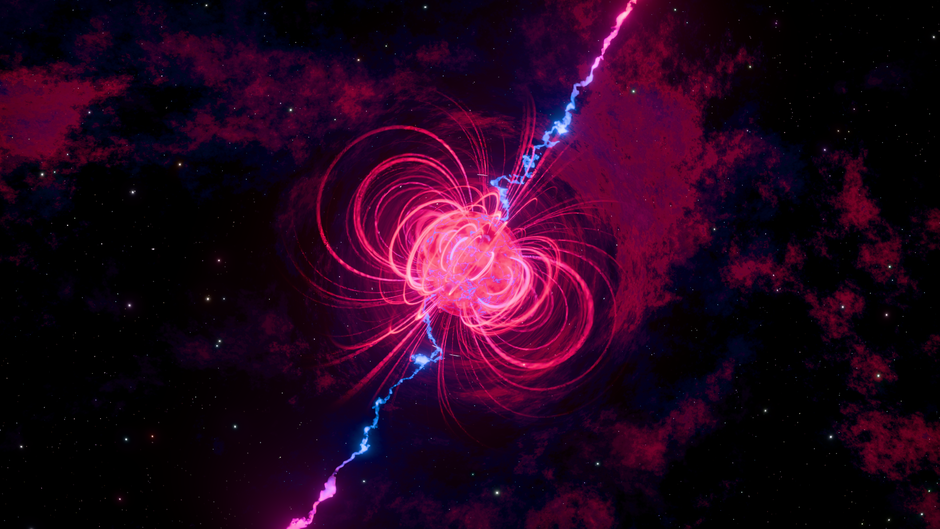
Photo by Nicola Narracci on Pexels
A magnetic field is the region around a magnet or a current-carrying wire where magnetic forces can be detected. We visualize these fields using magnetic field lines:
- They always form closed loops.
- They emerge from the North pole and enter the South pole outside the magnet.
- Inside the magnet, they go from the South pole to the North pole.
- The density of the lines indicates the strength of the field (closer lines mean a stronger field).
- Field lines never cross each other.
Here's a diagram showing how these magnetic fields interact around a bar magnet:
graph TD
    N["North Pole"]
    S["South Pole"]

    N -- Magnetic Field Lines --> S
    N -- (Internal Field Lines) --> S
    S -- (Internal Field Lines) --> N

    style N fill:#FFCCCC,stroke:#333,stroke-width:2px
    style S fill:#CCFFFF,stroke:#333,stroke-width:2px
Permanent Magnets vs. Electromagnets
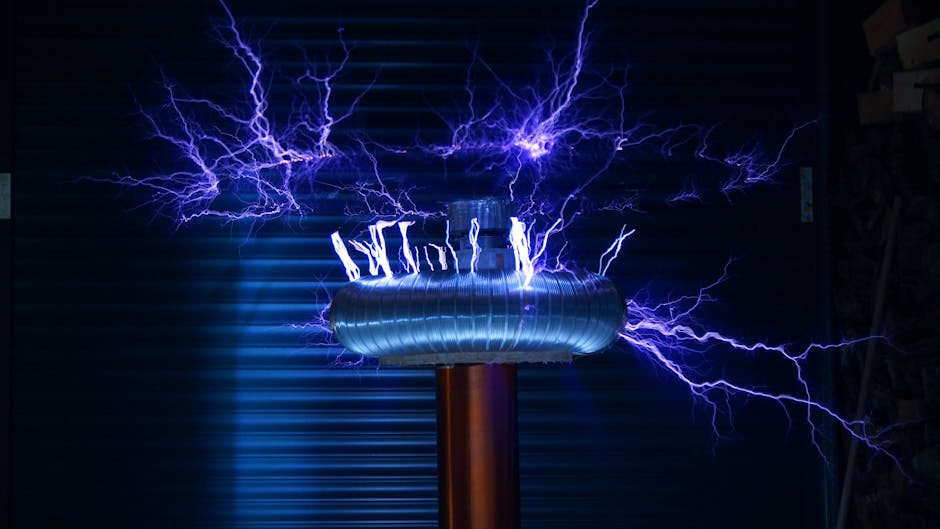
Photo by Killian Eon on Pexels
You'll mainly encounter two types of magnets:
- Permanent Magnets: These are materials that retain their magnetism without needing an external power source. Their atomic magnetic fields are naturally aligned. Examples include bar magnets, refrigerator magnets, and natural lodestones.
- Electromagnets: These are created when electric current flows through a wire, often coiled around a core of ferromagnetic material (like iron). The magnetic field exists only when the current is flowing and can be controlled (turned on/off, strength adjusted) by changing the current.
Magnetic Force

Photo by Nicola Narracci on Pexels
Magnetic fields exert forces:
- On other magnets: Opposites attract (North and South), likes repel (North and North, South and South).
- On moving electric charges: A charged particle moving through a magnetic field experiences a force. This is crucial for electric motors. The direction of this force depends on the charge's velocity, the magnetic field's direction, and the charge's sign (positive or negative).
- On current-carrying wires: Since current is moving charges, a wire carrying current in a magnetic field also experiences a force. This is the basis of how loudspeakers and electric motors work.
3. Worked Example
Let's consider a simple electromagnet. You wrap a wire around an iron nail and connect the ends of the wire to a battery.
- No current: Before connecting the battery, the iron nail is just an ordinary piece of metal; it doesn't attract paper clips. Its atomic magnetic domains are randomly oriented.
- Current flows: When you connect the wire to the battery, current flows through the coiled wire. This moving electric charge creates a magnetic field around each turn of the wire.
- Iron core magnetization: The magnetic field from the coil aligns the magnetic domains within the iron nail. The nail itself becomes a temporary magnet.
- Attracting objects: Now, the magnetized nail acts like a bar magnet and can pick up small magnetic objects like paper clips.
- Current stops: If you disconnect the battery, the current stops flowing. The external magnetic field from the coil disappears, and the magnetic domains in the iron nail largely return to their random orientation. The nail loses most of its magnetism and drops the paper clips.
This example clearly shows how electricity creates magnetism and how electromagnets can be controlled.
4. Key Takeaways
- All magnetism originates from moving electric charges, whether spinning electrons in atoms or current flowing in a wire.
- Magnetic fields are invisible regions of influence around magnets or currents, visualized by field lines going from North to South outside the magnet.
- Permanent magnets retain their magnetism, while electromagnets' magnetism depends on electric current.
- Magnetic forces cause attraction or repulsion between magnets and exert forces on moving charges and current-carrying wires.
- The strength of an electromagnet can be controlled by changing the amount of current or the number of wire turns.
Common Mistakes to Avoid
- Don't confuse magnetic poles with electric charges; they are different concepts, even though both involve attractive/repulsive forces.
- Remember that magnetic field lines never cross and always form closed loops.
- Don't assume all materials are strongly affected by magnets; only ferromagnetic materials show strong magnetic properties.
- For electromagnets, remember that the magnetic field is only present when current flows.
5. Now Try It
Take a small bar magnet and a few paper clips. Bring the magnet near the paper clips and observe the attraction. Then, try to use the magnet to pick up a small, non-magnetic object like a plastic bead or a wooden toothpick. What do you observe? Your success will be seeing the magnet attract the paper clips but not the other objects, reinforcing the idea that magnetism only affects certain materials.
Try it yourself: Electric and magnetic field lines in 3D
Frequently asked about Fundamentals of Magnetism
Study this next
Get the full Magnetism curriculum
Clone the complete plan to your dashboard for unlimited AI-generated notes, practice quizzes, and a personalised revision schedule.
Save this course free