Soil Salinity Control
From the Sustainable Irrigation Systems curriculum
TL;DR
Soil salinity, caused by excessive salt accumulation, significantly reduces crop yield and soil health. Effective control involves understanding its sources and implementing appropriate irrigation and drainage strategies. Sustainable practices focus on prevention and remediation to maintain productive agricultural land.
1. The Mental Model
Imagine your soil as a sponge. If you keep watering it with slightly salty water without ever squeezing it out, eventually the sponge gets full of salt. This "salt-filled sponge" can't hold fresh water well, making it hard for plants to drink.
2. The Core Material
Soil salinity is the concentration of soluble salts in the soil. High salinity can harm plants by making it difficult for their roots to absorb water (osmotic stress) and by specific ion toxicities.
Sources of Salinity
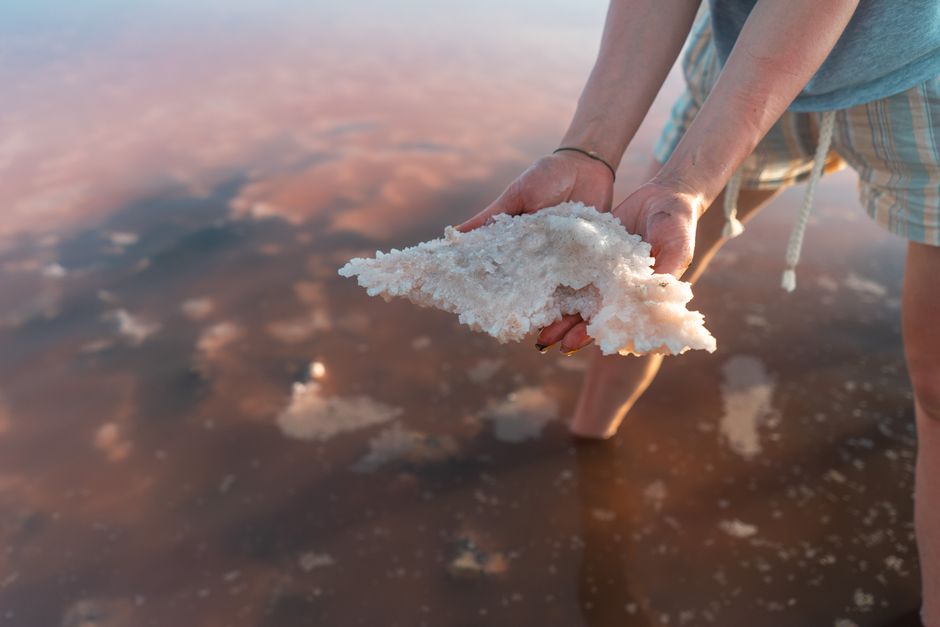
Photo by Atlantic Ambience on Pexels
Salinity can come from several places:
* Irrigation Water: Most irrigation water, even "fresh" water, contains some dissolved salts. Repeated irrigation without proper drainage concentrates these salts.
* High Water Tables: If the groundwater is saline and close to the surface, capillary action can draw it up, evaporating the water and leaving salts behind.
* Poor Drainage: When water can't properly drain through the soil, salts accumulate in the root zone.
* Saline Parent Material: Some soils naturally form from rocks and sediments rich in salts.
* Seawater Intrusion: In coastal areas, over-pumping of groundwater can draw seawater into aquifers, making irrigation water saline.
Measuring Salinity
Soil salinity is commonly measured by the electrical conductivity (EC) of a saturated paste extract (ECe). Higher ECe values mean higher salinity. Different crops have different tolerance levels to salinity.
Control Strategies

Photo by Atlantic Ambience on Pexels
Controlling soil salinity generally involves two main approaches: prevention and remediation.
Prevention
The best approach is to prevent salt buildup in the first place.
* Improved Irrigation Management:
* Leaching: Applying more irrigation water than the crop needs to flush salts below the root zone. This requires good drainage.
* Irrigation Efficiency: Using efficient irrigation methods (like drip or subsurface drip) minimizes water use, reducing salt input and the amount of water needed for leaching.
* Water Quality: Using the best quality water available for irrigation.
* Drainage Systems: Installing and maintaining adequate surface and subsurface drainage is crucial to remove excess water and dissolved salts.
* Crop Selection: Choosing salt-tolerant crops for areas with naturally higher salinity or where control is challenging.
Remediation
Once salinity is a problem, you need to actively remove salts.
* Leaching: This is the primary method for reclaiming saline soils. It involves applying large amounts of good quality water to flush salts out of the root zone. This is only effective if the soil has adequate drainage.
* Chemical Amendments: Sometimes, for sodic (sodium-rich) soils, gypsum (calcium sulfate) is added to replace sodium ions with calcium ions, improving soil structure and allowing for better water infiltration and leaching.
* Phytoremediation: Using salt-tolerant plants (halophytes) to absorb salts from the soil. Once the plants are harvested, the salts are removed. This is a slower process.
Here's a simplified flowchart showing the decision process for soil salinity control:
graph TD
    A["Assess Salinity Levels (ECe)"] --> B{Is Salinity High?};
    B -- No --> C["Monitor & Preventative Measures (Efficient Irrigation, Good Drainage)"];
    B -- Yes --> D{Is Drainage Adequate?};
    D -- No --> E["Improve Drainage (Subsurface Drains, Tillage)"];
    D -- Yes --> F{Is Soil Sodic (High Sodium)?};
    F -- Yes --> G["Apply Amendments (e.g., Gypsum)"];
    F -- No --> H["Leaching (Apply Excess Water)"];
    G --> H;
    H --> I["Monitor & Re-evaluate"];
    C --> I;
3. Worked Example
Let's say you have a field where the ECe is 8 dS/m, and you want to grow corn, which has a salinity threshold of about 1.7 dS/m. This means your soil is too salty for corn. The soil also has poor drainage due to a compacted layer.
- Diagnosis: High salinity, poor drainage.
- Initial Action: Address the drainage. You might mechanically rip or deep-till the compacted layer to improve infiltration. If that's not enough, installing subsurface tile drains could be necessary.
- Leaching Requirement: Once drainage is improved, you'd calculate a leaching requirement. If you want to reduce salinity significantly, you might need to apply a leaching fraction of, say, 20-30% beyond the crop's water needs. This means if the crop needs 100mm of water, you apply 120-130mm, with the excess 20-30mm flushing salts.
- Application: Over a period, you apply good quality irrigation water (or rainfall) in excess, allowing it to percolate through the soil, carrying dissolved salts away via the drainage system.
- Monitoring: After a leaching event or season, you'd re-test the soil ECe. If it has dropped significantly (e.g., to 3 dS/m), you might apply another leaching cycle or switch to more salt-tolerant crops temporarily while continuing preventative measures.
4. Key Takeaways
- Salinity harms plants: High salt concentrations make it difficult for plants to absorb water and can be toxic.
- Water quality matters: Even "fresh" irrigation water contains salts that accumulate over time.
- Drainage is critical: Effective drainage is essential for both preventing and remediating soil salinity.
- Leaching is key: Applying excess water to flush salts below the root zone is the primary control method.
- Prevention is best: Using efficient irrigation and managing water tables can avoid severe salinity problems.
- Crop choice helps: Selecting salt-tolerant crops can be a good strategy in challenging areas.
Common mistakes to avoid:
- Ignoring drainage: Trying to leach without adequate drainage just makes the problem worse by waterlogging the soil.
- Using poor quality water for leaching: Leaching with highly saline water won't effectively remove salts.
- Over-irrigating without purpose: Applying excess water without understanding the leaching fraction simply wastes water and potentially nutrients.
- Planting sensitive crops in saline soils: This leads to poor yields and economic losses.
5. Now Try It
Imagine you manage an agricultural plot where the soil ECe is rising, and you suspect poor drainage is contributing to it. Your task is to outline a 3-step action plan to address this specific issue.
For each step, state:
1. What you would do.
2. Why you would do it (the purpose).
3. What success would look like for that step.
Success for this exercise would be a clear, logical plan that directly tackles both the diagnosis of rising ECe and the suspected poor drainage, showing an understanding of the concepts discussed.
Frequently asked about Soil Salinity Control
Study this next
Get the full Sustainable Irrigation Systems curriculum
Clone the complete plan to your dashboard for unlimited AI-generated notes, practice quizzes, and a personalised revision schedule.
Save this course free