Kingdom Monera
From the biological classification curriculum
TL;DR
Kingdom Monera includes all prokaryotic organisms, which are single-celled and lack a true nucleus and membrane-bound organelles. These organisms, primarily bacteria and archaea, are incredibly diverse and play crucial roles in nearly all ecosystems. Their classification is often based on cell shape, cell wall composition, and metabolic pathways.
1. The Mental Model
Imagine Monera as the "ancient builders" of life. They're tiny, simple single cells without complex internal rooms, yet they've been around the longest and form the fundamental basis for much of Earth's biology.
2. The Core Material
Kingdom Monera used to be a widely accepted taxonomic kingdom for all prokaryotes. However, modern understanding, particularly based on genetic sequencing (rRNA analysis), has shown that prokaryotes are actually incredibly diverse and fall into two distinct domains: Bacteria and Archaea. While the term "Monera" isn't commonly used in formal classification anymore, understanding the characteristics that defined Monera is key to understanding prokaryotic life.
Here's what unites (and differentiates) these microscopic life forms:
Key Characteristics of Monerans (Prokaryotes)
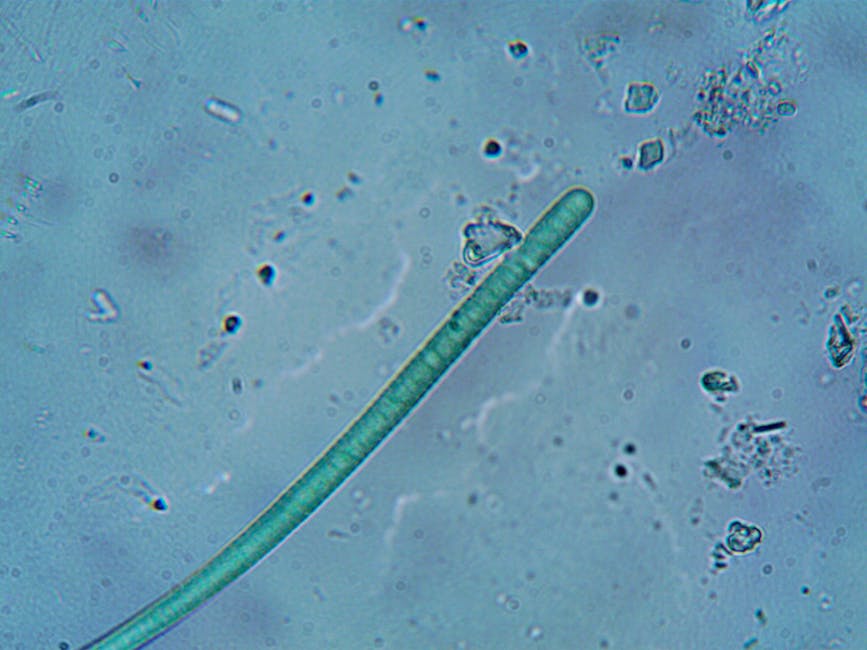
Photo by turek on Pexels
- Prokaryotic Cell Structure: This is the most defining feature. Prokaryotic cells lack a true nucleus, meaning their genetic material (DNA) is found in a region called the nucleoid in the cytoplasm, not enclosed by a membrane. They also lack other membrane-bound organelles like mitochondria, endoplasmic reticulum, and Golgi apparatus.
- Single-celled (Unicellular): Almost all monerans are composed of a single cell. Some might form colonies or filaments, but each cell typically functions independently.
- Cell Wall: Most monerans have a rigid cell wall outside the plasma membrane. In bacteria, this wall is primarily made of peptidoglycan. Archaea have cell walls made of different materials, like pseudopeptidoglycan or proteins. This difference is a major reason for their separation into two domains.
- Reproduction: They primarily reproduce asexually through binary fission, where one cell simply divides into two identical daughter cells. Some can also exchange genetic material through processes like conjugation, transformation, or transduction.
- Nutrition: Monerans exhibit a vast array of nutritional strategies:
- Autotrophs: Produce their own food.
- Photoautotrophs: Use sunlight (e.g., cyanobacteria).
- Chemoautotrophs: Use chemical energy (e.g., some nitrifying bacteria).
- Heterotrophs: Obtain food from other organisms.
- Saprotrophs: Decomposers, absorbing nutrients from dead organic matter.
- Parasites: Live on or in a host, causing harm.
- Symbionts: Live in close association with another organism, often mutually beneficial.
- Autotrophs: Produce their own food.
- Size: Typically very small, ranging from 0.5 to 5 micrometers.
The Split: Bacteria vs. Archaea

Photo by Monstera Production on Pexels
While both are prokaryotes, Bacteria and Archaea are as different from each other as they are from eukaryotes. This split is crucial for modern biological classification.
graph TD
    A["Prokaryotes (formerly Kingdom Monera)"] --> B["Domain Bacteria"]
    A --> C["Domain Archaea"]

    B --> B1["True Bacteria"]
    B1 --> B1a["Cell wall with Peptidoglycan"]
    B1 --> B1b["Sensitive to traditional antibiotics"]
    B1 --> B1c["Diverse metabolic pathways"]

    C --> C1["Ancient/Extremophile Bacteria (Mislabeled)"]
    C1 --> C1a["Cell wall LACKS Peptidoglycan"]
    C1 --> C1b["Resistant to traditional antibiotics"]
    C1 --> C1c["Often live in extreme environments (hot, salty, acidic)"]
Bacteria: These are the prokaryotes you're probably most familiar with. They're found everywhere – in soil, water, our bodies. Examples include E. coli, Salmonella, and nitrogen-fixing bacteria. Their cell walls contain peptidoglycan.
Archaea: Often called "extremophiles," many archaea thrive in harsh conditions like hot springs, deep-sea vents, or extremely salty lakes. However, they're also found in common environments. A key distinction is the absence of peptidoglycan in their cell walls and unique membrane lipids.
3. Worked Example
Let's consider an organism found thriving in a Yellowstone National Park hot spring, with temperatures exceeding 80°C. Upon microscopic examination, it's a single-celled organism lacking a nucleus or mitochondria. Further analysis reveals that its cell wall does not contain peptidoglycan and its cell membrane lipids are unique, with branched hydrocarbon chains. It obtains energy by oxidizing sulfur compounds.
Based on these characteristics:
- Single-celled, no nucleus/membrane organelles: This confirms it's a prokaryote, fitting the general description of organisms once grouped in Kingdom Monera.
- Thrives in extreme conditions (hot spring): This is a strong indicator of Archaea.
- Cell wall lacks peptidoglycan: This is a definitive characteristic distinguishing Archaea from Bacteria.
- Unique membrane lipids: Another key feature of Archaea.
- Obtains energy by oxidizing sulfur compounds: This demonstrates a chemoautotrophic metabolic strategy, common in many archaea.
Therefore, this organism would be classified under the Domain Archaea, highlighting why the broad "Monera" kingdom became less precise over time.
4. Key Takeaways
- Kingdom Monera encompassed all prokaryotic organisms, which lack a true nucleus and membrane-bound organelles.
- The two main groups of prokaryotes are Bacteria and Archaea, now recognized as distinct domains.
- A key difference between Bacteria and Archaea is the presence (Bacteria) or absence (Archaea) of peptidoglycan in their cell walls.
- Prokaryotes are almost exclusively single-celled and reproduce mainly through binary fission.
- They exhibit an immense diversity in nutritional strategies, including photoautotrophy, chemoautotrophy, and various forms of heterotrophy.
- Prokaryotes are vital to ecosystems, acting as decomposers, producers, and nitrogen fixers.
Common Mistakes to Avoid:
- Don't think of Monera as a current, formal kingdom; understand it as a historical grouping for all prokaryotes.
- Confusing bacteria and archaea: Remember their key differences in cell wall composition and membrane structure.
- Assuming "prokaryote" means "primitive" in a negative sense; they are incredibly adaptable and successful.
- Forgetting that all prokaryotes fall into either the Bacteria or Archaea domains.
5. Now Try It
Take a common organism you know, like a mushroom, a rose, a cat, or even a human. For each, describe two key reasons why it cannot be classified into the historical Kingdom Monera (or modern Domains Bacteria or Archaea). What characteristics fundamentally exclude it from being a prokaryote?
What success looks like: You'll be able to clearly articulate why your chosen organism is a eukaryotic organism by identifying features like the presence of a true nucleus or membrane-bound organelles, multicellularity, or a specific type of cell wall (if present) that isn't peptidoglycan.
Frequently asked about Kingdom Monera
Study this next
Get the full biological classification curriculum
Clone the complete plan to your dashboard for unlimited AI-generated notes, practice quizzes, and a personalised revision schedule.
Save this course free