Soil and Vegetation
From the Geography p1 curriculum
TL;DR
Soil and vegetation are deeply interconnected, forming dynamic ecosystems where each influences the other's development and characteristics. Soil provides essential nutrients and water for plants, while vegetation, in turn, contributes organic matter and helps stabilize soil. Understanding this relationship is crucial for comprehending global ecosystems and managing natural resources.
1. The Mental Model
Think of soil and vegetation as a symbiotic partnership: soil feeds plants, and plants protect and enrich the soil. This constant exchange creates a living system where changes in one directly impact the other, influencing everything from nutrient cycles to water availability.
2. The Core Material
Soil and vegetation are fundamental components of Earth's terrestrial ecosystems. Their interaction creates diverse biomes and influences global processes.
Soil: The Foundation
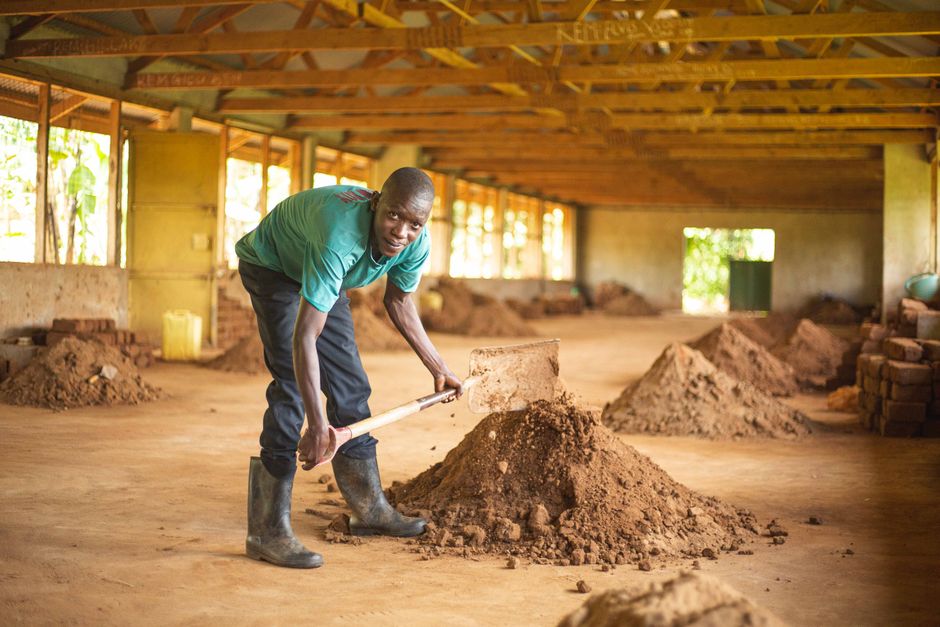
Photo by illustrate Digital Ug on Pexels
Soil isn't just dirt; it's a complex mix of minerals, organic matter, water, and air, teeming with living organisms. It forms through the weathering of rocks (physical and chemical breakdown) and the decomposition of organic material.
The main components of soil are:
* Mineral Particles (45%): Sand, silt, and clay determine soil texture, affecting water retention and drainage.
* Sand: Large particles, good drainage, poor water retention.
* Silt: Medium particles, moderate water retention and drainage.
* Clay: Smallest particles, poor drainage, high water retention, high nutrient retention.
* Organic Matter (5%): Decomposed plant and animal remains (humus). Improves soil structure, water retention, and nutrient availability.
* Water (25%): Held in pore spaces, essential for plant growth and chemical reactions.
* Air (25%): Also held in pore spaces, vital for root respiration and soil organisms.
Soil Horizons: A vertical cross-section of soil reveals distinct layers called horizons, which differ in composition and characteristics.
* O Horizon (Organic): Loose and partially decomposed organic matter.
* A Horizon (Topsoil): Rich in humus, dark in color, most biological activity.
* B Horizon (Subsoil): Accumulation of leached minerals (clay, iron oxides).
* C Horizon (Parent Material): Partially weathered bedrock.
* R Horizon (Bedrock): Unweathered solid rock.
Vegetation: The Lifeblood

Photo by Lloyd Douglas on Pexels
Vegetation refers to the plant life in a region. It's incredibly diverse, ranging from microscopic algae to towering trees, and is primarily classified by its growth form (trees, shrubs, grasses).
Key roles of vegetation:
* Photosynthesis: Converts sunlight into energy, forming the base of most food chains.
* Oxygen Production: Releases oxygen as a byproduct of photosynthesis.
* Carbon Sequestration: Absorbs atmospheric carbon dioxide, helping regulate climate.
* Habitat: Provides shelter and food for countless animal species.
* Water Cycle: Influences evaporation, transpiration, and interception of rainfall.
The Interplay: How Soil and Vegetation Interact
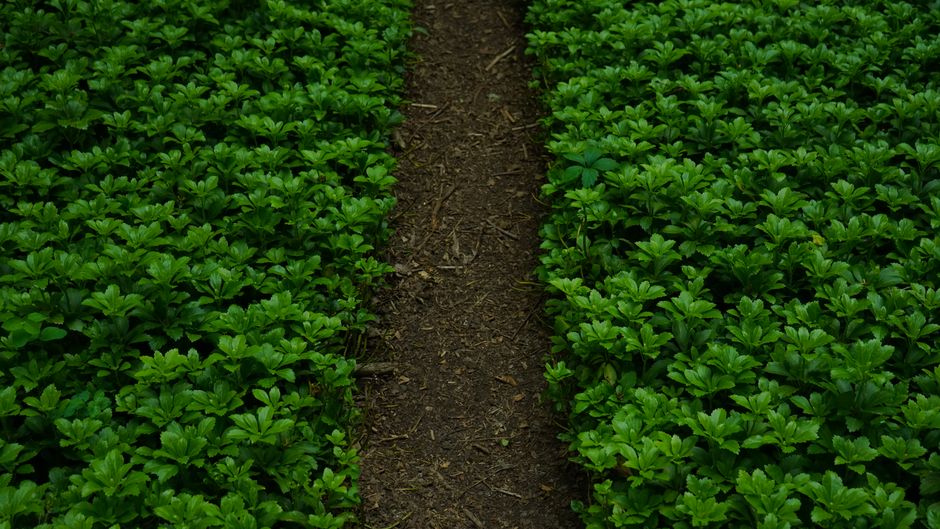
Photo by Chris Hunter on Pexels
graph TD
    A["Weathering & Organic Input"] --> B("Soil Formation");
    B --> C("Nutrient Availability & Water Retention");
    C --> D("Vegetation Growth & Health");
    D --> E("Organic Matter Input (Leaves, Roots)");
    D --> F("Root Activity (Aeration, Nutrient Uptake)");
    D --> G("Soil Erosion Reduction (Roots bind soil)");
    E --> B;
    F --> B;
    G --> B;
    C --> H("Microbial Activity");
    H --> E;
- Vegetation's Impact on Soil:
- Organic Matter Contribution: Falling leaves, dead plants, and roots decompose, adding humus to the soil, improving fertility and structure.
- Nutrient Cycling: Plants absorb nutrients from the soil, but when they die and decompose, these nutrients are returned, preventing leaching.
- Soil Structure and Aeration: Roots grow through the soil, creating channels that improve aeration and water infiltration.
- Erosion Control: Plant roots bind soil particles, preventing erosion by wind and water. Canopy cover also reduces the impact of raindrops.
- Microclimate: Vegetation creates shade, reducing soil temperature fluctuations and moisture loss.
- Soil's Impact on Vegetation:
- Nutrient Supply: Soil provides essential macro- and micronutrients (nitrogen, phosphorus, potassium, etc.) for plant growth.
- Water Availability: Soil's texture and structure determine its capacity to hold and release water, crucial for plant survival.
- Anchorage: Soil provides physical support, allowing plants to stand upright.
- Aeration: Good soil aeration allows roots to respire.
- pH: Soil pH influences nutrient availability; different plants thrive in different pH ranges.
Biomes and Their Characteristics

Photo by Robert So on Pexels
Different combinations of climate, soil, and vegetation lead to distinct biomes.
* Tropical Rainforests: Hot, wet climate; infertile, leached soils (laterite); dense, multi-layered vegetation with high biodiversity.
* Deserts: Hot, dry climate; sandy, nutrient-poor soils; sparse, specialized vegetation (cacti, succulents).
* Temperate Forests: Moderate climate with distinct seasons; fertile, rich soils (brown earths); deciduous trees.
* Tundra: Cold, dry climate; permafrost, thin, nutrient-poor soils; low-growing vegetation (mosses, lichens, dwarf shrubs).
3. Worked Example
Imagine you're examining a plot of land with dense, established forest versus a nearby cleared field.
Forest Plot:
* Vegetation: Tall trees, undergrowth, leaf litter on the ground.
* Soil: Digging down, you'd find a thick O horizon of decaying leaves and branches. Below that, a dark, rich A horizon (topsoil) due to high organic matter input from the trees. The roots would be extensive, binding the soil.
* Interaction: The trees' roots prevent soil erosion, and their falling leaves continually replenish organic matter, keeping the soil fertile and improving its structure. The canopy shades the ground, reducing moisture evaporation.
Cleared Field Plot:
* Vegetation: Sparse grass or crops, or bare soil.
* Soil: If it's been cleared for a while, the O horizon might be thin or absent. The A horizon would likely be shallower and lighter in color, with less organic matter due to reduced plant input. Without roots, the soil might appear more compacted and susceptible to erosion.
* Interaction: With less vegetation, there's less organic matter to return to the soil, decreasing fertility over time. The exposed soil is more vulnerable to wind and water erosion, and it heats up and dries out faster.
This example clearly shows how removing vegetation dramatically alters the soil's characteristics, highlighting their strong interdependence.
4. Key Takeaways
- Soil provides essential nutrients, water, and physical support for vegetation to grow.
- Vegetation contributes organic matter to the soil, enriching its fertility and improving its structure.
- Plant roots are crucial for binding soil particles, significantly reducing erosion by wind and water.
- The balance of mineral particles, organic matter, water, and air determines soil's ability to support life.
- Different climatic conditions and vegetation types result in distinct soil profiles (horizons) and overall biome characteristics.
- Human activities like deforestation can severely degrade soil quality by disrupting the natural soil-vegetation interaction.
- Understanding this relationship is vital for sustainable land management and agricultural practices.
Common Mistakes to Avoid:
- Thinking of soil as just inert dirt: Remember it's a living, dynamic system with many components.
- Underestimating the role of vegetation in soil formation: Plants aren't just consumers; they're active soil builders.
- Ignoring the impact of human activity: Clearcutting or intensive farming drastically alters soil and vegetation dynamics.
- Confusing soil type with soil fertility: A soil might be sandy (type) but still fertile if it has enough organic matter.
5. Now Try It
Choose two different natural areas you've seen or can research (e.g., a forest and a grassland, or a wetland and a mountain slope). For each area, describe the likely characteristics of its dominant vegetation and, based on that, infer the probable characteristics of its soil (e.g., soil depth, organic matter content, drainage). Then, explain how the vegetation and soil in each area are likely influencing each other. Aim for a paragraph for each area, focusing on the cause-and-effect relationships.
Frequently asked about Soil and Vegetation
More from Geography p1
Get the full Geography p1 curriculum
Clone the complete plan to your dashboard for unlimited AI-generated notes, practice quizzes, and a personalised revision schedule.
Save this course free