Biological Approach to Understanding Human Behaviour
From the Psychology paper 1 IB biological, cognitive, socioculture 3 SAQ and 1 ERQ curriculum
TL;DR
The biological approach explains behaviour by looking at biological factors like genetics, brain structure, and neurotransmitters. It assumes that our biology heavily influences our thoughts, feelings, and actions. This perspective uses methods like twin studies and brain imaging to investigate these connections.
1. The Mental Model
Think of your body as a complex machine that heavily influences how you operate. The biological approach views your brain and body as the primary drivers of your behaviour, much like a computer's hardware dictates its software's capabilities. Understanding the parts helps us understand the whole.
2. The Core Material
The biological approach posits that behaviour is a result of physiological and genetic factors. This includes the roles of genes, neurotransmitters, hormones, and brain structures in shaping our psychological processes and observable actions.
Genes and Behaviour

Photo by Google DeepMind on Pexels
Genes are the basic units of heredity, passed from parents to offspring. They contain instructions for building proteins, which in turn influence the development and functioning of our bodies and brains.
* Twin Studies: Compare concordance rates (the probability that if one twin has a trait, the other twin will also have it) between monozygotic (MZ - identical) and dizygotic (DZ - fraternal) twins. Higher concordance in MZ twins suggests a genetic component.
* Adoption Studies: Compare adopted children to their biological and adoptive parents to disentangle genetic from environmental influences.
* Gene Mapping: Techniques to identify specific genes associated with particular behaviours or disorders.
Neurotransmitters and Hormones

Photo by Marta Branco on Pexels
These are chemical messengers that play crucial roles in communication within the nervous system and throughout the body.
* Neurotransmitters: Chemicals that transmit signals across synapses between neurons. Examples include serotonin (mood, sleep), dopamine (reward, motivation), and acetylcholine (learning, memory). Imbalances can lead to psychological conditions.
* Hormones: Chemical messengers produced by endocrine glands and transported through the bloodstream. They regulate various bodily functions and can influence mood, stress response, and behaviour. Examples: cortisol (stress), testosterone (aggression), oxytocin (bonding).
Brain Structure and Function
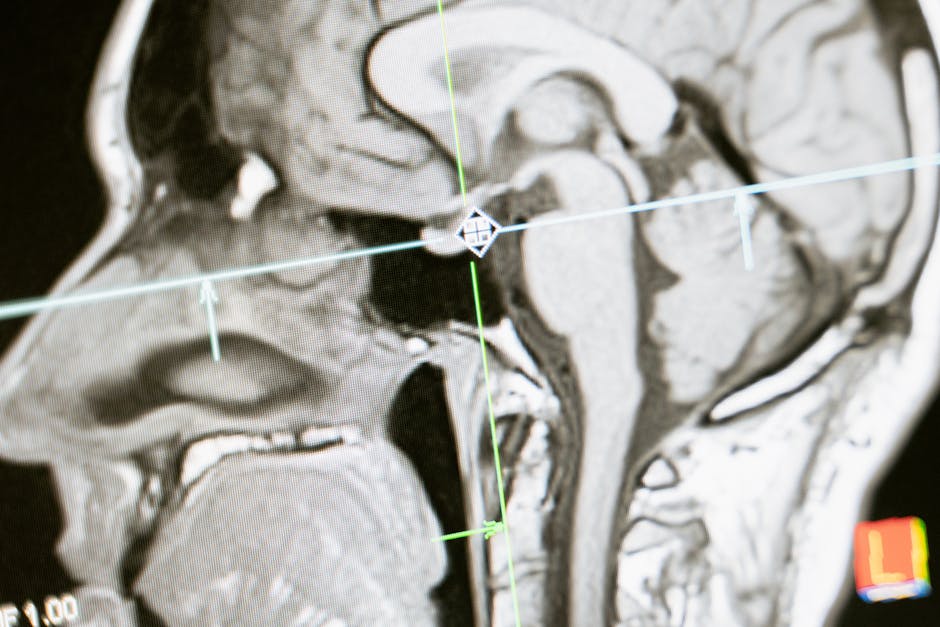
Photo by MART PRODUCTION on Pexels
Different areas of the brain are specialized for different functions, and abnormalities or damage to these areas can impact behaviour.
* Localization of Function: The idea that specific parts of the brain are responsible for specific functions. For example, the frontal lobe for planning, the amygdala for fear.
* Neuroplasticity: The brain's ability to change and adapt in response to experience, both structurally and functionally. This explains how learning and environment can still influence a biologically-driven system.
* Brain Imaging Techniques:
* fMRI (functional Magnetic Resonance Imaging): Measures brain activity by detecting changes in blood flow.
* PET (Positron Emission Tomography): Uses radioactive tracers to observe metabolic processes and blood flow in the brain.
* EEG (Electroencephalography): Measures electrical activity in the brain, useful for studying sleep and epilepsy.
Here's a diagram illustrating the key components of the biological approach:
graph TD
    A["Biological Approach to Behaviour"] --> B["Genetic Influences"]
    A --> C["Neurotransmitters & Hormones"]
    A --> D["Brain Structure & Function"]

    B --> B1["Twin Studies"]
    B --> B2["Adoption Studies"]
    B --> B3["Gene Mapping"]

    C --> C1["Serotonin, Dopamine, etc."]
    C --> C2["Cortisol, Oxytocin, etc."]

    D --> D1["Localization of Function"]
    D --> D2["Neuroplasticity"]
    D --> D3["Brain Imaging (fMRI, PET, EEG)"]
3. Worked Example
Let's consider depression. From a biological perspective, research often points to a potential imbalance in neurotransmitters, particularly serotonin.
- Evidence: Studies using brain imaging (like PET scans) in depressed individuals sometimes show lower levels of serotonin activity compared to non-depressed individuals. Medications like SSRIs (Selective Serotonin Reuptake Inhibitors) work by increasing serotonin availability in the synaptic cleft, which often alleviates depressive symptoms.
- Genetic component: Twin studies have shown a higher concordance rate for depression in MZ twins (e.g., 40-50%) compared to DZ twins (e.g., 10-20%), suggesting a genetic predisposition. While not 100%, this indicates genes play a role but aren't the sole cause.
- Brain Structure: Some research indicates differences in brain structures like the hippocampus (involved in memory and emotion) in individuals with chronic depression, with some studies showing reduced volume.
This example shows how genetic predisposition, neurotransmitter imbalances, and even structural brain differences can all contribute to a complex disorder like depression, aligning with the biological approach.
4. Key Takeaways
- Behaviour can be explained by physiological factors like genes, brain structure, and neurochemistry.
- Genes influence behaviour through heredity, often studied using twin and adoption studies.
- Neurotransmitters (e.g., serotonin, dopamine) and hormones (e.g., cortisol) are chemical messengers impacting mood and behaviour.
- Specific brain areas are associated with particular functions (localization), and the brain can adapt (neuroplasticity).
- Brain imaging techniques are crucial tools for observing brain activity and structure.
- The biological approach emphasizes understanding the underlying physical mechanisms of behaviour.
Common Mistakes to Avoid

Photo by KATRIN BOLOVTSOVA on Pexels
- Biological reductionism: Don't assume biology is the only factor; always consider interaction with environment.
- Ignoring ethics: Be mindful of ethical implications, especially in genetic research or brain manipulation.
- Overstating causation: Correlation does not equal causation; just because a biological factor is present doesn't mean it directly causes the behaviour without other influences.
- Outdated research: Psychology is always evolving; ensure you reference contemporary studies.
5. Now Try It
Take a common behaviour like aggression. Spend 15 minutes outlining how the biological approach would explain it.
* Identify at least one genetic factor (e.g., specific gene or general heritability).
* Name at least one neurotransmitter or hormone implicated.
* Suggest one brain structure involved.
* Briefly describe a research method that could investigate one of these links.
Success looks like: A concise paragraph for each of the three factors (genetic, chemical, structural) and a clear example of a relevant research method, all applied to aggression from a biological perspective.
Frequently asked about Biological Approach to Understanding Human Behaviour
Study this next
Get the full Psychology paper 1 IB biological, cognitive, socioculture 3 SAQ and 1 ERQ curriculum
Clone the complete plan to your dashboard for unlimited AI-generated notes, practice quizzes, and a personalised revision schedule.
Save this course free