Biological Bases of Behavior
From the Introduction to Psychology curriculum
TL;DR
Your brain, nervous system, and hormones are the physical foundation for everything you think, feel, and do. Understanding these biological components helps explain psychological processes and individual differences. This field explores how biology and environment interact to shape your behavior.
1. The Mental Model
Think of your body's systems—especially your brain—as the hardware running your psychological software. Every thought, emotion, and action you experience is ultimately rooted in biological processes. These biological elements are constantly interacting with your environment to produce who you are.
2. The Core Material
Your behavior isn't just about your thoughts; it's deeply tied to your biology. This involves several key systems:
The Nervous System

Photo by MART PRODUCTION on Pexels
This is your body's communication network. It's divided into two main parts:
- Central Nervous System (CNS): This includes your brain and spinal cord. It's the command center, processing information and making decisions.
- Brain: Controls thoughts, emotions, memories, and most body functions. Different areas specialize in different tasks.
- Spinal Cord: A highway for messages between your brain and the rest of your body.
- Peripheral Nervous System (PNS): This includes all the nerves outside your CNS. It connects the CNS to your organs, limbs, and skin.
- Somatic Nervous System: Controls voluntary movements and transmits sensory information (like touch, pain).
- Autonomic Nervous System: Regulates involuntary functions like heart rate, breathing, and digestion. It has two branches:
- Sympathetic Nervous System: "Fight or flight" response; gets your body ready for action.
- Parasympathetic Nervous System: "Rest and digest" response; calms your body down.
Neurons: The Building Blocks
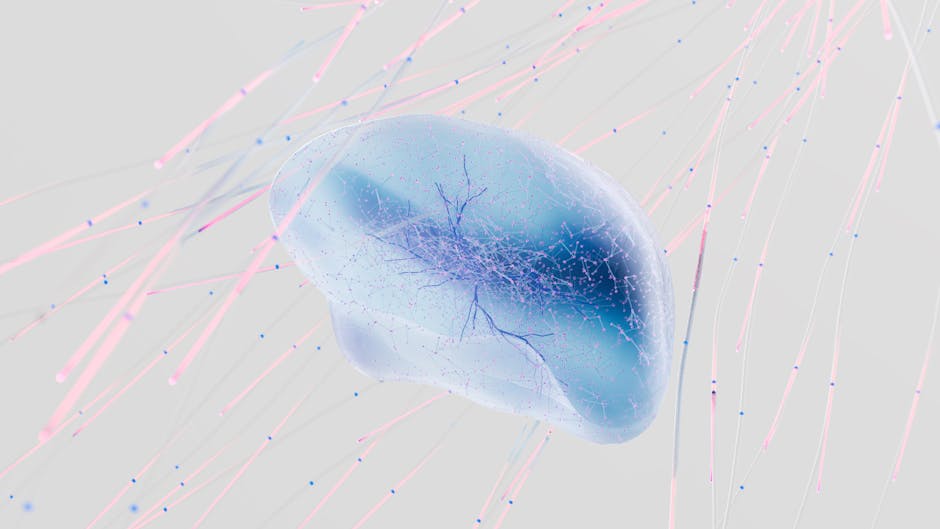
Photo by Google DeepMind on Pexels
Neurons are specialized cells that transmit electrical and chemical signals.
* Dendrites: Receive signals from other neurons.
* Cell Body (Soma): Processes the signals.
* Axon: Sends signals to other neurons, muscles, or glands.
* Myelin Sheath: A fatty insulation around the axon that speeds up signal transmission.
* Synapse: The tiny gap between neurons where neurotransmitters (chemical messengers) are released.
Neurotransmitters
These chemicals transmit signals across the synapse. They play a huge role in mood, sleep, learning, and more.
* Dopamine: Reward, motivation, motor control. (Dysfunction linked to Parkinson's and schizophrenia).
* Serotonin: Mood, sleep, appetite. (Low levels linked to depression).
* Acetylcholine: Muscle contraction, memory. (Loss linked to Alzheimer's).
* GABA: Inhibitory neurotransmitter; calms the brain. (Low levels linked to anxiety).
* Glutamate: Excitatory neurotransmitter; learning and memory.
The Endocrine System

Photo by Nataliya Vaitkevich on Pexels
This system uses hormones (chemical messengers) released into your bloodstream by glands. Hormones act more slowly but have longer-lasting effects than neurotransmitters.
* Pituitary Gland: "Master gland"; controls other glands.
* Adrenal Glands: Produce adrenaline (epinephrine) and cortisol, involved in stress response.
* Thyroid Gland: Regulates metabolism.
* Pancreas: Produces insulin, regulating blood sugar.
Genetics and Behavior

Photo by Steve A Johnson on Pexels
Your genes influence your predispositions, not just your physical traits, but also aspects of your temperament, personality, and even susceptibility to certain psychological disorders. However, genes don't act alone; they interact with your environment. This is called the nature vs. nurture debate, but it's really more about nature and nurture.
graph TD
    A["Behavior/Psychological Process"] --> B["Nervous System"]
    A --> C["Endocrine System"]

    B --> D["Central Nervous System (CNS)"]
    B --> E["Peripheral Nervous System (PNS)"]

    D --> F["Brain"]
    D --> G["Spinal Cord"]

    E --> H["Somatic NS"]
    E --> I["Autonomic NS"]

    I --> J["Sympathetic NS (Fight/Flight)"]
    I --> K["Parasympathetic NS (Rest/Digest)"]

    F --> L["Neurons"]
    L --> M["Dendrites"]
    L --> N["Cell Body"]
    L --> O["Axon"]
    L --> P["Synapse"]
    P --> Q["Neurotransmitters"]

    C --> R["Hormones"]
    C --> S["Glands (e.g., Adrenal, Pituitary)"]

    T["Genetics"] --> A
    U["Environment"] --> A
    T --> U_Interaction("Interaction with Environment")
    U_Interaction --> A
3. Worked Example
Imagine you're walking in the woods and suddenly come across a bear.
1. Your sensory neurons (part of the PNS) detect the bear and send signals to your brain (CNS).
2. Your brain processes this threat and immediately activates your sympathetic nervous system (part of the PNS, under the Autonomic NS).
3. This system triggers your adrenal glands (endocrine system) to release adrenaline (a hormone).
4. Adrenaline causes your heart rate to increase, breathing to quicken, and blood to rush to your muscles, preparing you for "fight or flight." Simultaneously, neurotransmitters like norepinephrine are rapidly firing in your brain, increasing alertness.
5. After the bear leaves, your parasympathetic nervous system kicks in, releasing acetylcholine which slows your heart rate and calms your body back down. This entire sequence is a complex interplay of your nervous and endocrine systems.
4. Key Takeaways
- Your brain and nervous system are the control centers for all psychological functions, from basic reflexes to complex thought.
- Neurons are the fundamental units of the nervous system, transmitting information via electrical and chemical signals.
- Neurotransmitters are chemical messengers that allow neurons to communicate across synapses, affecting mood, cognition, and behavior.
- The endocrine system uses hormones to influence long-term processes like metabolism, growth, and stress response.
- Genetics predispose you to certain traits and behaviors, but environmental factors always play a crucial role in how those genes are expressed.
- The "fight or flight" response is a prime example of how the nervous and endocrine systems work together to respond to threats.
Common mistakes to avoid:
- Don't think of biological processes as entirely separate from psychological experiences; they are deeply intertwined.
- Don't assume that a genetic predisposition means a behavior is inevitable; environment always matters.
- Don't confuse the fast, localized action of neurotransmitters with the slower, widespread effects of hormones.
- Avoid oversimplifying complex brain functions; different brain areas and neurotransmitters often work together.
5. Now Try It
Think about a time you felt really stressed or anxious, or a moment of intense joy. Spend 15 minutes writing down as many biological components (nervous system parts, neurotransmitters, hormones, glands) as you can recall that might have been involved in producing those feelings and associated physical sensations.
Success looks like: You've identified at least 3-4 specific biological components for each emotion and briefly explained their role, demonstrating an understanding of how they contributed to your experience.
Frequently asked about Biological Bases of Behavior
Study this next
Get the full Introduction to Psychology curriculum
Clone the complete plan to your dashboard for unlimited AI-generated notes, practice quizzes, and a personalised revision schedule.
Create Free Account