Solid Waste Classification by Origin
From the WASTE MANAGEMENT OPEN ELECTIVE 2 curriculum
TL;DR
Solid waste is classified by its origin to understand its composition, quantity, and potential hazards, which helps in choosing appropriate management strategies. This classification system groups waste based on where it's generated, like homes, industries, or healthcare facilities. Knowing the origin allows for more effective waste collection, treatment, and disposal methods.
1. The Mental Model
Think of solid waste classification by origin like sorting your laundry: you separate clothes by where they came from (e.g., kitchen towels, bedroom clothes, garage rags) because each type needs different handling (washing temperature, detergent, or even disposal). Similarly, waste from different sources has different characteristics and requires specific management.
2. The Core Material
Classifying solid waste by its origin is a fundamental step in effective waste management. It helps us predict what kind of materials we'll find, how much there will be, and what risks they might pose. This knowledge then guides decisions on collection methods, recycling potential, treatment technologies, and safe disposal.
Here are the main categories based on origin:
a. Residential Waste (Municipal Solid Waste - MSW)
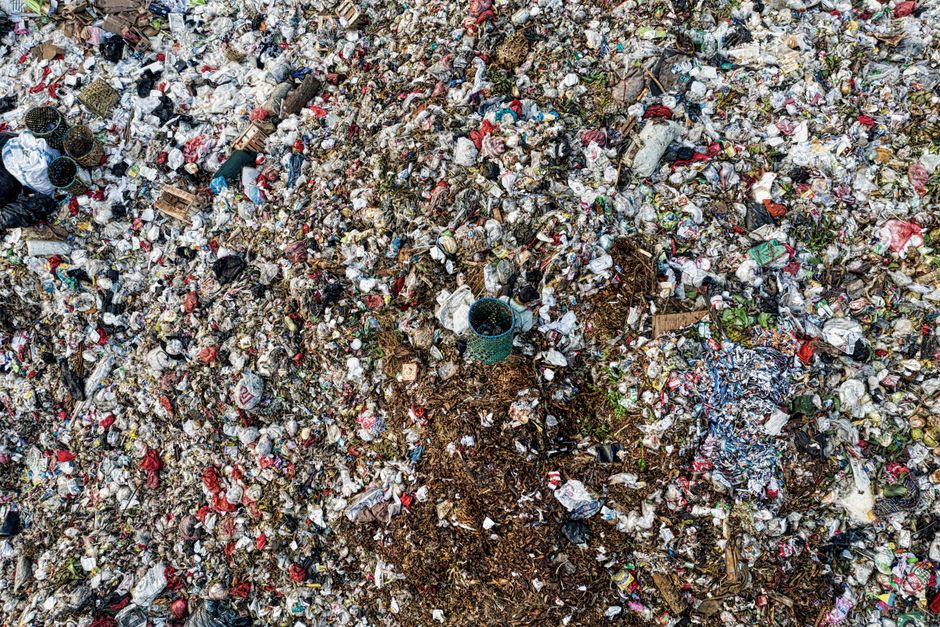
Photo by Tom Fisk on Pexels
This is the waste generated from households. It's very diverse and includes food scraps, paper, plastics, glass, metals, textiles, and yard waste. Its composition varies significantly based on lifestyle, income, and local consumption patterns.
b. Commercial Waste
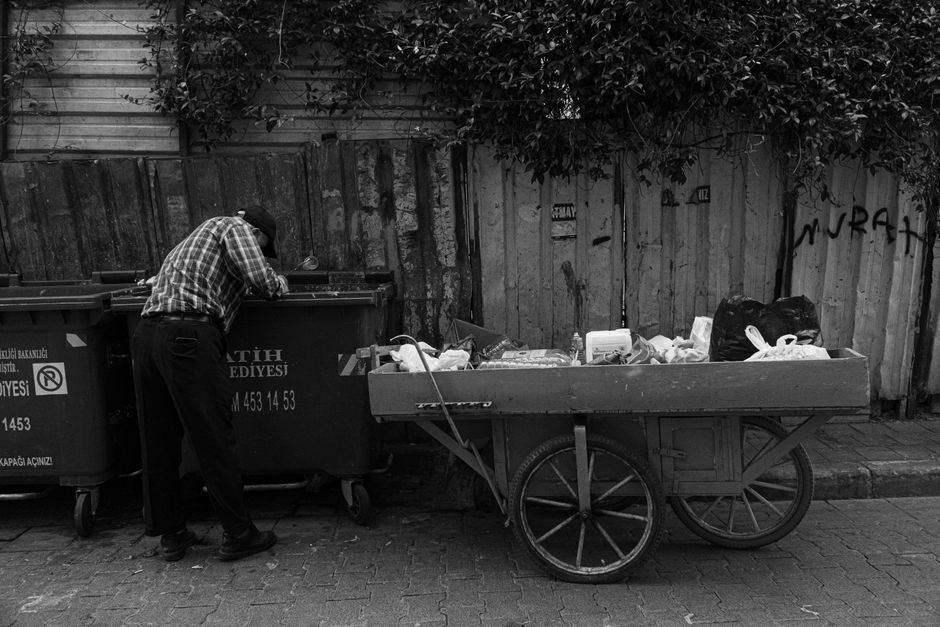
Photo by Ruha Zaitoun on Pexels
This comes from businesses like offices, retail stores, restaurants, and markets. It often includes packaging materials, food waste (from restaurants), paper, and general office waste. It can be similar to residential waste but often in larger quantities and with specific business-related items.
c. Institutional Waste

Photo by Yuen Tou Zan on Pexels
Generated from schools, colleges, hospitals (non-medical waste), government buildings, and other public facilities. It's generally similar to commercial waste, with a high proportion of paper, food waste, and general refuse.
d. Industrial Waste

Photo by Willians Huerta on Pexels
This category is vast and includes waste from manufacturing processes, factories, power plants, and construction sites. It can be highly varied, ranging from inert materials like slag and ash to hazardous chemicals, solvents, and heavy metals. Industrial waste often requires specialized handling due to its potential toxicity or large volumes.
e. Agricultural Waste
Waste generated from farming activities, including crop residues (straw, stalks), animal manure, discarded pesticides, and empty fertilizer containers. While much of it is organic and biodegradable, some components like chemical containers can be hazardous.
f. Healthcare/Biomedical Waste
This is waste generated from hospitals, clinics, laboratories, and research centers. It includes infectious waste (blood, body fluids), pathological waste (tissues), sharps (needles), pharmaceutical waste, and chemical waste. This category requires very careful handling and specialized treatment due to its infectious and hazardous nature.
g. Construction and Demolition (C&D) Waste
Waste generated from building construction, renovation, and demolition activities. This includes concrete, wood, metal, plaster, bricks, asphalt, and excavated soil. It's often bulky and heavy, but much of it can be recycled.
Here's a diagram illustrating these classifications:
graph TD
    A["Solid Waste Classification by Origin"] --> B["Residential (MSW)"]
    A --> C["Commercial"]
    A --> D["Institutional"]
    A --> E["Industrial"]
    A --> F["Agricultural"]
    A --> G["Healthcare/Biomedical"]
    A --> H["Construction & Demolition (C&D)"]

    B --> B1["Food scraps"]
    B --> B2["Paper, plastics, glass"]
    C --> C1["Packaging"]
    C --> C2["Office waste"]
    D --> D1["Paper, food scraps"]
    E --> E1["Manufacturing by-products"]
    E --> E2["Chemicals, slag"]
    F --> F1["Crop residues"]
    F --> F2["Animal manure"]
    G --> G1["Infectious waste"]
    G --> G2["Sharps, pharmaceuticals"]
    H --> H1["Concrete, wood"]
    H --> H2["Metals, bricks"]
3. Worked Example
Imagine you're developing a waste management plan for a small city. You first need to understand the origins of the waste.
You conduct a survey and find:
* Households: Generate daily food waste, packaging, newspapers. (Residential)
* Local Supermarket: Produces expired food, cardboard boxes, plastic wrap. (Commercial)
* Elementary School: Discards paper, lunch leftovers, broken furniture. (Institutional)
* Small Printing Press: Generates paper scraps, ink cartridges, chemical solvents. (Industrial)
* Community Hospital: Creates used syringes, bandages, expired medicines, general office waste. (Healthcare/Biomedical and some Institutional)
* New Housing Project: Producing broken concrete, wood offcuts, metal scraps. (Construction & Demolition)
* Nearby Farm: Disposes of corn stalks, manure, empty pesticide containers. (Agricultural)
By classifying these wastes by origin, you immediately know that the residential and commercial waste can likely go to a Material Recovery Facility (MRF) for recycling. The hospital waste needs specialized incineration. The printing press waste requires hazardous waste disposal. The construction waste might be diverted for reuse or crushing. This initial classification guides your entire strategy.
4. Key Takeaways
- Waste classification by origin helps predict waste composition and quantity.
- Different origins imply different waste characteristics and potential hazards.
- Residential waste (MSW) is diverse, while industrial waste can be highly specific and hazardous.
- Healthcare waste requires strict handling due to infection risks.
- C&D waste is bulky but often has high recycling potential.
- Understanding waste origin is crucial for designing effective collection, treatment, and disposal systems.
Common mistakes to avoid:
- Treating all waste the same: Assuming general waste management strategies will work for all waste types, regardless of origin.
- Ignoring hazardous components: Failing to identify hazardous waste streams early, especially from industrial or healthcare origins.
- Underestimating volumes: Not recognizing that certain origins (like C&D or industrial) can generate massive volumes of specific waste.
- Overlooking recycling potential: Not assessing what can be recovered from specific waste origins, such as paper from commercial offices or concrete from C&D sites.
5. Now Try It
For the city you live in, identify at least one example of waste generation for each of the seven classification categories (Residential, Commercial, Institutional, Industrial, Agricultural, Healthcare/Biomedical, Construction & Demolition). For each example, briefly describe one key characteristic of that waste type that would influence its management.
Success looks like: You've correctly identified an example for each category and pointed out a relevant characteristic (e.g., "For Residential: food scraps, which are organic and can be composted").
Frequently asked about Solid Waste Classification by Origin
Study this next
Get the full WASTE MANAGEMENT OPEN ELECTIVE 2 curriculum
Clone the complete plan to your dashboard for unlimited AI-generated notes, practice quizzes, and a personalised revision schedule.
Save this course free