Introduction to Solid Waste Management and Classification
From the WASTE MANAGEMENT OPEN ELECTIVE 2 curriculum
TL;DR
Solid waste management is how we deal with discarded materials to protect health and the environment. It involves collection, processing, and disposal of waste generated by human activity. Understanding different waste types is crucial for effective management strategies.
1. The Mental Model
Think of solid waste management as a continuous cycle: stuff is used, then thrown away, then collected, processed (maybe recycled or treated), and finally put somewhere safe. This whole system aims to stop trash from harming us or the planet.
2. The Core Material
Solid waste management (SWM) is the discipline associated with controlling the generation, storage, collection, transfer and transport, processing, and disposal of solid waste in a manner that is in accord with the best principles of public health, economics, engineering, conservation, aesthetics, and other environmental considerations. It's a broad field because waste comes in many forms and has many potential impacts.
What is Solid Waste?
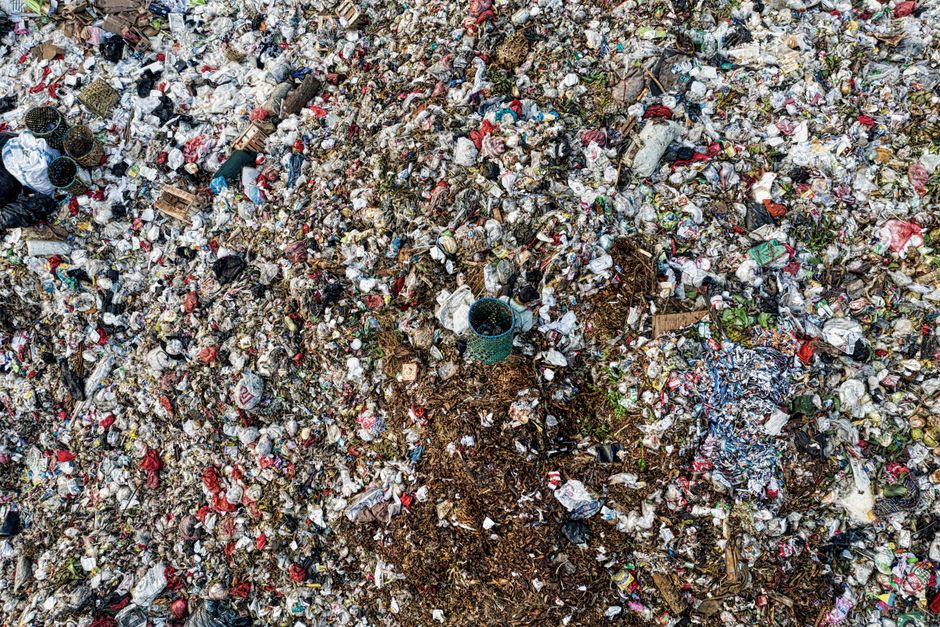
Photo by Tom Fisk on Pexels
Simply put, solid waste refers to any discarded materials that aren't liquid or gaseous. This includes everything from household garbage and construction debris to industrial byproducts and electronic junk.
Why is SWM Important?

Photo by Ann H on Pexels
Poor waste management leads to:
* Health hazards: Breeding grounds for pests, disease transmission.
* Environmental pollution: Contaminated soil, water, and air.
* Economic losses: Wasted resources, decreased tourism.
* Aesthetic degradation: Unsightly landfills, litter.
The Key Functions of SWM

Photo by Kamil Čičila on Pexels
The process of managing solid waste generally follows these steps:
1. Waste Generation: Where and how waste is produced (homes, businesses, industries).
2. On-site Storage: How waste is held at the source before collection (bins, containers).
3. Collection: Gathering waste from various sources.
4. Transfer and Transport: Moving collected waste to processing facilities or disposal sites, often involving larger vehicles.
5. Processing and Recovery: Treating waste to reduce volume, recover materials (recycling), or convert it into energy.
6. Disposal: The final placement of waste, typically in landfills or through incineration without energy recovery.
graph TD
    A["Waste Generation (Homes, Industries)"] --> B["On-site Storage (Bins)"]
    B --> C["Collection (Trucks)"]
    C --> D{"Transfer Station (Optional)"}
    D --> E["Transport (Larger Vehicles)"]
    E --> F{"Processing/Recovery (Recycling, Composting, Incineration) "}
    F --> G["Final Disposal (Landfill)"]
    F --> H["Energy Recovery (Waste-to-Energy)"]
    H --> G
Classification of Solid Waste
Photo by Tom Fisk on Pexels
Waste isn't just "trash." Classifying it helps us manage it better because different types need different handling. Here are common ways to classify solid waste:
By Source:
- Municipal Solid Waste (MSW): Waste from homes, offices, schools, and commercial establishments. This is often what people think of as "garbage."
- Examples: Food scraps, paper, plastics, glass, textiles, yard waste.
- Industrial Waste: Waste from manufacturing and industrial processes.
- Examples: Chemical residues, packaging, demolition debris, scrap metal.
- Hazardous Waste: Waste that is dangerous to human health or the environment. It can be toxic, corrosive, ignitable, or reactive.
- Examples: Batteries, paints, pesticides, medical waste, certain chemicals.
- Agricultural Waste: Waste from farming activities.
- Examples: Crop residues, animal manure, pesticide containers.
- Construction and Demolition (C&D) Waste: Debris generated during construction, renovation, and demolition of buildings.
- Examples: Concrete, wood, metal, asphalt, bricks.
- E-Waste (Electronic Waste): Discarded electronic devices.
- Examples: Computers, mobile phones, televisions, refrigerators.
By Composition/Properties:
- Organic Waste: Biodegradable materials, often food waste and yard waste.
- Examples: Vegetable peels, leaves, grass clippings.
- Inorganic Waste: Non-biodegradable materials.
- Examples: Plastics, metals, glass, ceramics.
- Recyclable Waste: Materials that can be reprocessed into new products.
- Examples: Paper, cardboard, certain plastics, aluminum cans, glass bottles.
- Non-Recyclable Waste: Materials that cannot be economically or technically recycled.
- Hazardous Waste: (As above) requires special handling.
Understanding these classifications allows for targeted management strategies, like composting organic waste or sending hazardous waste to specialized treatment facilities.
3. Worked Example
Imagine you're managing waste for a medium-sized town. Today, you've received data on the waste collected. You need to identify its type and potential management path.
Data:
* Quantity: 10 tons
* Description:
* 3 tons of discarded food scraps from households and restaurants.
* 2 tons of plastic bottles, aluminum cans, and glass jars from residential curbside collection.
* 1 ton of old paint cans and used motor oil from a local auto repair shop.
* 4 tons of broken concrete, wood planks, and metal rebar from a building renovation site.
Analysis:
1. Food Scraps (3 tons): This is Organic Waste and falls under Municipal Solid Waste (MSW) by source. Its best management path would be composting or anaerobic digestion.
2. Plastic, Cans, Glass (2 tons): This is Recyclable Waste and also MSW by source. It should be sent to a Material Recovery Facility (MRF) for sorting and processing for recycling.
3. Paint Cans, Motor Oil (1 ton): This is clearly Hazardous Waste due to its toxic and ignitable properties. It likely originated from commercial (auto shop) or potentially household hazardous waste streams. This must be sent to a specialized hazardous waste treatment and disposal facility.
4. Concrete, Wood, Metal (4 tons): This is Construction and Demolition (C&D) Waste. Some of these materials (like metal and clean concrete) might be recyclable, while others (like treated wood) might need to go to a specialized C&D landfill or be processed for reuse.
By classifying each component, you can direct it to the most appropriate and environmentally sound management stream, rather than just dumping everything together.
4. Key Takeaways
- Solid waste management (SWM) is a systematic approach to handling discarded materials from generation to final disposal.
- Effective SWM protects public health, safeguards the environment, and conserves resources.
- The SWM hierarchy generally moves from waste generation through collection, processing, and finally disposal.
- Waste is classified by its source (e.g., MSW, industrial, hazardous) and its composition/properties (e.g., organic, inorganic, recyclable).
- Different waste classifications require different management strategies and facilities.
- Poor waste management can lead to significant environmental pollution and health problems.
- Recycling and composting are key components of modern SWM, aiming to recover valuable resources.
Common Mistakes to Avoid:
- Treating all waste as the same; misclassifying waste can lead to improper disposal and contamination.
- Focusing only on disposal rather than the entire lifecycle of waste.
- Underestimating the volume and complexity of waste generated in communities.
- Ignoring the potential for resource recovery (recycling, composting) in the waste stream.
5. Now Try It
You're doing a quick audit of the trash generated in your own home for one week. For every item you throw away into the main bin, try to classify it by source (if applicable) and by its composition/properties. At the end of the week, estimate the percentage of your household waste that could have been recycled or composted.
What success looks like: You should be able to identify at least three different classifications of waste from your household items (e.g., organic food waste, recyclable plastic, general landfill waste) and have a rough idea of how much of your trash could have been diverted from a landfill.
Frequently asked about Introduction to Solid Waste Management and Classification
Study this next
Get the full WASTE MANAGEMENT OPEN ELECTIVE 2 curriculum
Clone the complete plan to your dashboard for unlimited AI-generated notes, practice quizzes, and a personalised revision schedule.
Save this course free