Introduction to Plant Organization and Tissue Systems
From the plant tissues life science curriculum
TL;DR
Plants are organized from basic cells into tissues, which then form organs like roots, stems, and leaves. These tissues are grouped into three main systems: dermal, ground, and vascular, each with specific jobs. Understanding these systems helps explain how plants grow, transport water and nutrients, and protect themselves.
1. The Mental Model
Think of a plant like a house: individual cells are like bricks, tissues are like walls or plumbing, and organs are rooms. These parts work together in systems (like the electrical or water system) to make the whole house function.
2. The Core Material
Plants are multicellular organisms, meaning they're made of many cells working together. These cells aren't just a random pile; they're organized into specialized structures.
The basic hierarchy in plants goes like this:
1. Cells: The fundamental building blocks (e.g., parenchyma cells, xylem cells).
2. Tissues: Groups of similar cells working together to perform a specific function (e.g., epidermis, phloem).
3. Organs: Structures made of different tissues that perform complex functions (e.g., leaves, roots, stems).
4. Organ Systems: In plants, we generally refer to these as Tissue Systems, as they are collections of different tissues working throughout the plant.
There are three primary plant tissue systems:
2.1. Dermal Tissue System
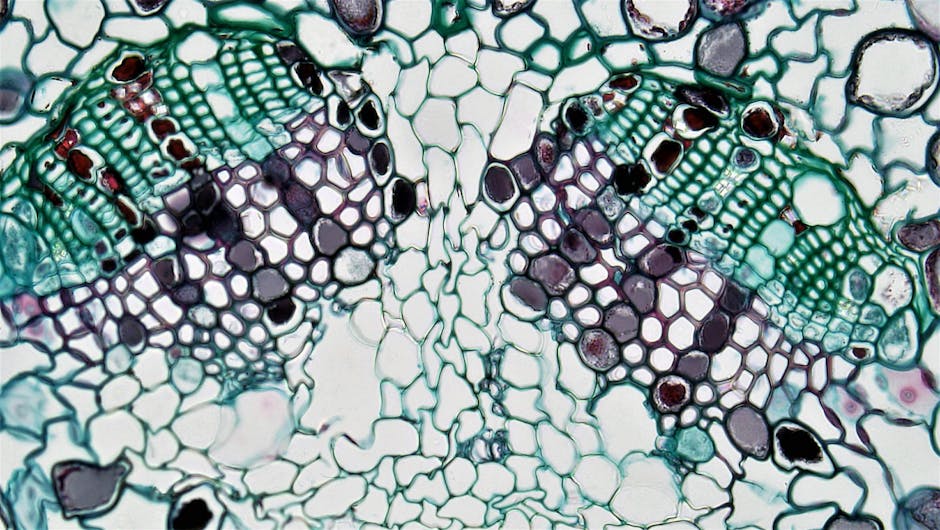
Photo by Fayette Reynolds M.S. on Pexels
This is the outer protective layer of the plant, like your skin. It covers the entire plant body.
* Epidermis: The outermost layer, usually one cell thick. Its main jobs are protection against water loss (with a waxy cuticle) and pathogens, and gas exchange (through stomata).
* Periderm: In woody plants, this replaces the epidermis in older stems and roots. It includes cork cells, which provide even tougher protection.
2.2. Ground Tissue System
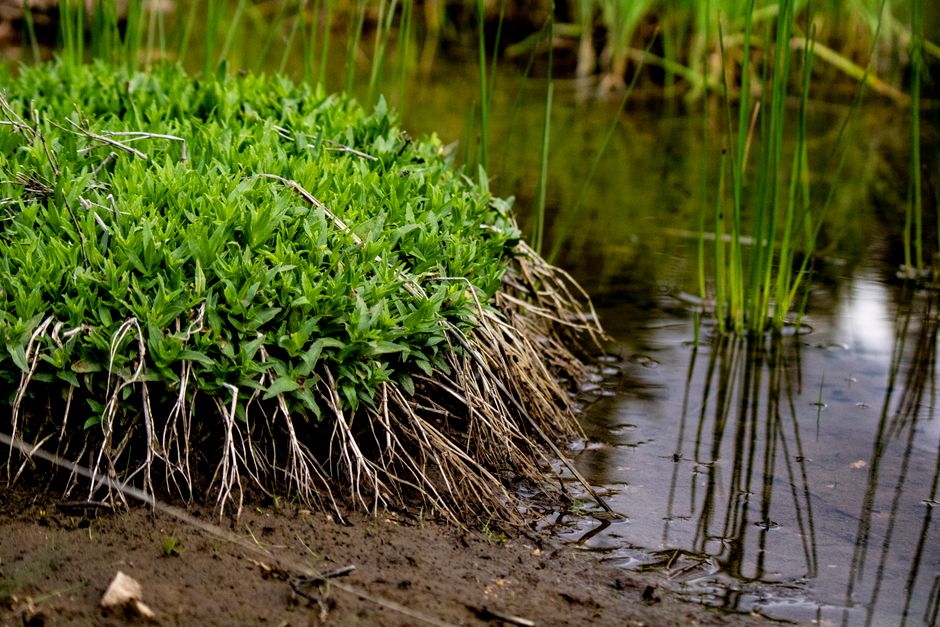
Photo by Orhan Akbaba on Pexels
This system makes up the bulk of the plant body, filling the space between the dermal and vascular tissues. It performs many essential functions.
* Parenchyma: The most common type. Involved in photosynthesis, storage of food and water, and healing. Cells are generally thin-walled and flexible.
* Collenchyma: Provides flexible support to young, growing parts of the plant (like leaf petioles and young stems). Cells have unevenly thickened walls.
* Sclerenchyma: Provides strong, rigid support to mature plant parts. Cells have thick, lignified walls and are often dead at maturity (e.g., fibers, sclereids).
2.3. Vascular Tissue System
Photo by Fayette Reynolds M.S. on Pexels
This is the transport system of the plant, like the circulatory system in animals. It moves water, nutrients, and sugars throughout the plant.
* Xylem: Transports water and dissolved minerals from the roots upwards to the rest of the plant. Composed mainly of tracheids and vessel elements (which are dead at maturity and form continuous tubes).
* Phloem: Transports sugars (food) produced during photosynthesis from the leaves to other parts of the plant where they're needed for growth or storage. Composed mainly of sieve-tube elements and companion cells (which are living).
Here's a diagram showing how these systems are organized:
graph TD
    A["Plant Organism"] --> B["Organs (e.g., Root, Stem, Leaf)"]
    B --> C["Tissue Systems"]
    C --> D["Dermal Tissue System"]
    C --> E["Ground Tissue System"]
    C --> F["Vascular Tissue System"]

    D --> D1["Epidermis (protection, gas exchange)"]
    D --> D2["Periderm (in woody plants, tough outer layer)"]

    E --> E1["Parenchyma (photosynthesis, storage, healing)"]
    E --> E2["Collenchyma (flexible support)"]
    E --> E3["Sclerenchyma (rigid support)"]

    F --> F1["Xylem (water and mineral transport)"]
    F --> F2["Phloem (sugar transport)"]
3. Worked Example
Imagine you're looking at a cross-section of a young plant stem.
1. Outermost layer: You'd see the epidermis, part of the dermal tissue system, protecting the stem and sometimes having hairs for defense or reduced water loss.
2. Inside the epidermis: You'd find lots of parenchyma cells, part of the ground tissue system, filling up the space, potentially storing starch. You might also spot some collenchyma just under the epidermis, giving the young stem its flexibility.
3. Arranged in bundles: Deeper inside, you'd see distinct vascular bundles. Each bundle contains xylem (usually towards the inside, darker, larger cells for water transport) and phloem (usually towards the outside, smaller cells for sugar transport). These bundles are the vascular tissue system, carrying everything the plant needs.
4. Key Takeaways
- Plants are organized hierarchically from cells to tissues, organs, and tissue systems.
- The dermal tissue system acts as the plant's outer protective layer.
- The ground tissue system provides bulk, storage, support, and performs metabolic functions like photosynthesis.
- The vascular tissue system (xylem and phloem) is responsible for long-distance transport within the plant.
- Xylem moves water and minerals up, while phloem moves sugars throughout the plant.
- Each tissue system is composed of specific cell types adapted for its function.
- Understanding these systems is key to comprehending plant survival and growth strategies.
5. Now Try It
Sketch a simplified diagram of a plant leaf and label where you would expect to find each of the three main tissue systems (dermal, ground, vascular) and briefly explain what their primary role would be in the leaf. What would success look like? Your sketch would clearly show the epidermis on the top and bottom, the bulk of the leaf (mesophyll) as ground tissue, and the veins (vascular bundles) running through the mesophyll. You'd briefly note their functions for the leaf.
Frequently asked about Introduction to Plant Organization and Tissue Systems
Study this next
Get the full plant tissues life science curriculum
Clone the complete plan to your dashboard for unlimited AI-generated notes, practice quizzes, and a personalised revision schedule.
Save this course free