Philosophy's Relationship with Science and Art
From the phil 101 curriculum
TL;DR
Philosophy explores fundamental questions using reason and logic, often laying groundwork for science and interpreting art's meaning. Science seeks objective truth through empirical observation, while art explores subjective experience and meaning through creative expression. All three disciplines interact by influencing and challenging each other's methods and perspectives.
1. The Mental Model
Think of philosophy as the root system, science as the trunk and branches, and art as the flowers and fruit of a tree. Philosophy provides the foundational ideas, science builds upon them with evidence, and art expresses the subjective human experience.
2. The Core Material
Philosophy, science, and art, while distinct, aren't isolated; they engage in a dynamic interplay.
Philosophy's Role
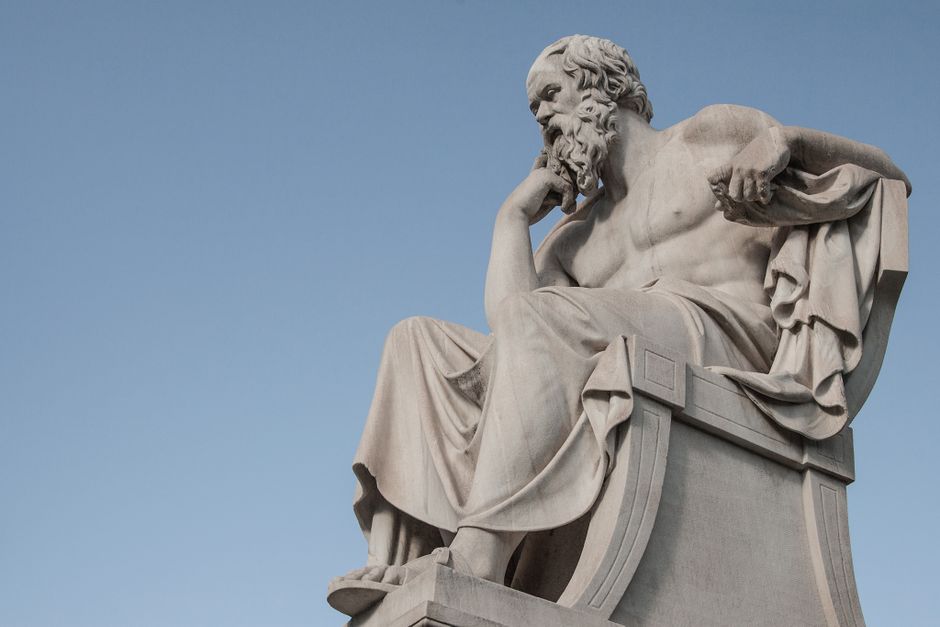
Photo by Anne O'Sullivan on Pexels
Philosophy is the quest for fundamental truths about existence, knowledge, values, reason, mind, and language. It often asks "why" and "what does it mean?" before empirical methods can be applied. For example, before psychology became a science, philosophers pondered the nature of the mind. Ethics, a branch of philosophy, guides scientific conduct and interprets the implications of scientific advancements. Aesthetics, another branch, explores the nature of beauty and art.
Science's Contribution

Photo by Tima Miroshnichenko on Pexels
Science is a systematic enterprise that builds and organizes knowledge in the form of testable explanations and predictions about the universe. It relies on observation, experimentation, and logical reasoning. Science often starts where philosophy provides a conceptual framework, then refines or refutes those frameworks with empirical data. For example, ancient Greek philosophers debated the atomic theory; modern science confirmed and elaborated on it.
Art's Expression
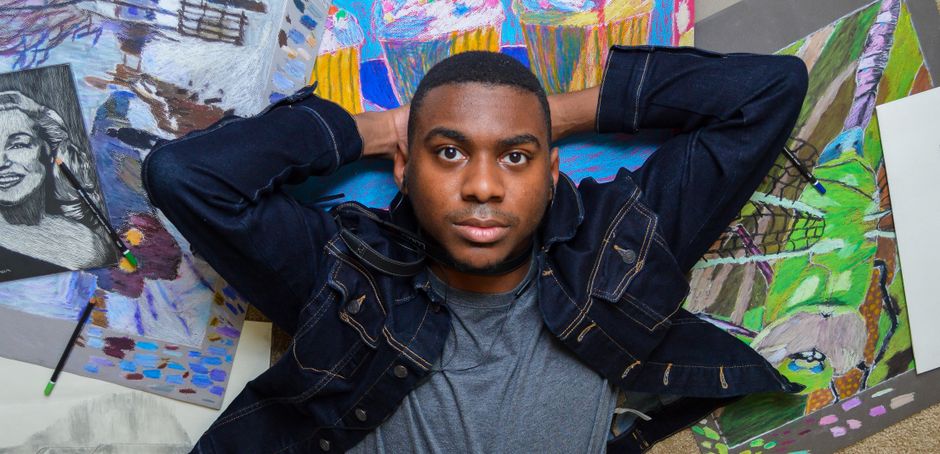
Photo by David Coleman on Pexels
Art is the expression or application of human creative skill and imagination, typically in a visual form such as painting or sculpture, producing works to be appreciated primarily for their beauty or emotional power. Art explores subjective experience, emotions, and interpretations of reality, often asking "how does this feel?" or "what does this represent?". It can comment on scientific discoveries or philosophical ideas, giving them a human dimension.
Interconnections
These fields often influence each other:
- Philosophy to Science: Philosophy poses questions and develops conceptual tools (like logic) that science later uses. It also examines the foundations, methods, and implications of scientific theories (philosophy of science).
- Science to Philosophy: Scientific discoveries can challenge existing philosophical beliefs or open new philosophical questions. For instance, neuroscience informs debates about free will and consciousness.
- Philosophy to Art: Philosophy provides theoretical frameworks for understanding art (aesthetics) and often inspires artistic themes.
- Art to Philosophy: Art can visually or emotionally express philosophical ideas, making them more accessible or raising new questions.
- Science to Art: Scientific advancements provide new tools and subjects for artists (e.g., photography, digital art), and scientific concepts can inspire artistic works.
- Art to Science: Art can sometimes offer novel perspectives or ways of seeing that might indirectly inspire scientific inquiry.
Here's a simplified view of their primary modes of inquiry:
graph LR
    A["Philosophy (Conceptual Inquiry)"] --> B["Science (Empirical Inquiry)"]
    A --> C["Art (Experiential/Interpretive Inquiry)"]
    B --> A
    B --> C
    C --> A
    C --> B
3. Worked Example
Consider the concept of time.
- Philosophical inquiry: Philosophers like Augustine questioned what time is – is it a fundamental dimension of reality or a human construct? Does it flow, or is it a static block? They explored its relationship to causality and existence.
- Scientific inquiry: Physicists like Einstein developed theories of relativity, demonstrating that time is relative, affected by speed and gravity. This isn't just conceptual; it's testable and measurable. Biologists study circadian rhythms, the biological clocks that govern life cycles.
- Artistic expression: Artists depict time in countless ways. Salvador Dali's "The Persistence of Memory" shows melting clocks, symbolizing the fluidity and psychological distortion of time. Movies use slow motion or flashbacks to manipulate our experience of time. Music inherently unfolds over time, creating patterns and emotional arcs.
Here, philosophical questions about time’s nature laid some groundwork. Science then provided empirical models that profoundly changed our understanding, and art explored the subjective, emotional, and lived experience of time, often responding to both philosophical questions and scientific discoveries.
4. Key Takeaways
- Philosophy, science, and art are distinct disciplines but are deeply interconnected.
- Philosophy often deals with fundamental questions and conceptual frameworks, influencing both science and art.
- Science seeks objective, empirical truths about the natural world, often building upon or challenging philosophical ideas.
- Art explores subjective experience, emotion, and meaning through creative expression.
- Scientific discoveries can profoundly impact philosophical debates and artistic interpretations.
- Art can visually or emotionally communicate philosophical ideas and scientific concepts, making them more accessible.
- All three fields contribute to a fuller understanding of reality and the human experience.
- Avoiding the misconception that these fields are entirely separate and unrelated is crucial.
- Don't assume science always provides all the answers; some questions remain philosophical or are best explored through art.
- Don't dismiss art as just entertainment; it's a powerful way to explore complex ideas and emotions.
- Avoid thinking philosophy is outdated; it continues to address questions beyond the reach of current scientific methods.
5. Now Try It
Take a contemporary ethical dilemma, like the development of advanced AI that could make autonomous decisions. Spend 15 minutes outlining how philosophy, science, and art might each approach and contribute to understanding this issue.
What to do:
1. Identify a core philosophical question this AI raises (e.g., what constitutes consciousness? what are our moral obligations to AI?).
2. Consider what scientific disciplines would be involved in developing or understanding this AI (e.g., computer science, neuroscience, cognitive psychology).
3. Think about how artists might explore this AI through various mediums (e.g., a novel, a film, a painting, a musical piece).
What success looks like: You'll have three distinct but interconnected paragraphs, each detailing how one discipline tackles the AI dilemma, showing their unique contributions and potential overlaps.
Frequently asked about Philosophy's Relationship with Science and Art
More from phil 101
Get the full phil 101 curriculum
Clone the complete plan to your dashboard for unlimited AI-generated notes, practice quizzes, and a personalised revision schedule.
Save this course free