Introduction to Measurement Systems
From the English measurements curriculum
TL;DR
Measurement systems give us standard ways to quantify the world around us. There are two main systems: the Imperial system, used mostly in the US, and the Metric system, used by most other countries. Understanding both helps you communicate measurements clearly and accurately.
1. The Mental Model
Think of measurement systems as different languages for describing how big, heavy, or long something is. Just like saying "hello" in English is "hola" in Spanish, measuring a length in "feet" in the Imperial system might be "meters" in the Metric system.
2. The Core Material
When we talk about measurement systems, we're discussing the different units and standards used to express quantities like length, weight (mass), and volume.
Imperial System (US Customary Units)
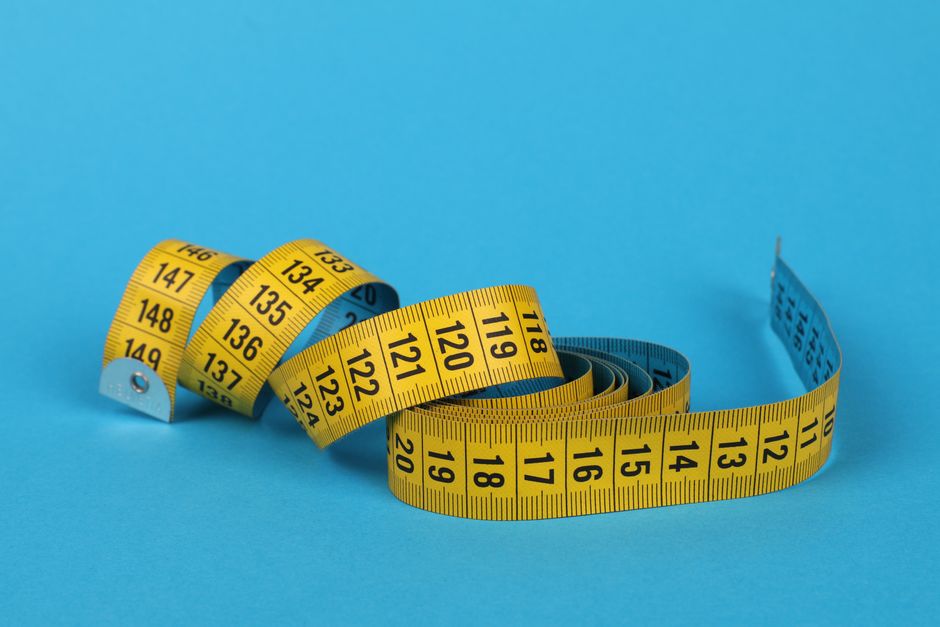
Photo by Ann H on Pexels
This system developed over centuries from traditional units. It's primarily used in the United States, with some legacy use in a few other places.
- Length: inches, feet, yards, miles
- 1 foot = 12 inches
- 1 yard = 3 feet
- 1 mile = 5,280 feet
- Weight (Mass): ounces, pounds, tons
- 1 pound = 16 ounces
- 1 ton = 2,000 pounds
- Volume: fluid ounces, cups, pints, quarts, gallons
- 1 cup = 8 fluid ounces
- 1 pint = 2 cups
- 1 quart = 2 pints
- 1 gallon = 4 quarts
Metric System (International System of Units - SI)

Photo by Markus Winkler on Pexels
This system is based on powers of ten, making conversions much simpler. It's used by almost every country in the world for scientific, commercial, and everyday purposes.
- Length: millimeters, centimeters, meters, kilometers
- 1 meter = 100 centimeters
- 1 centimeter = 10 millimeters
- 1 kilometer = 1,000 meters
- Mass: grams, kilograms
- 1 kilogram = 1,000 grams
- Volume: milliliters, liters
- 1 liter = 1,000 milliliters
The metric system uses prefixes to indicate multiples or submultiples of the base unit.
graph TD
    Start["Measurement Type"] --> Length["Length"]
    Start --> Mass["Mass"]
    Start --> Volume["Volume"]

    Length --> ImperialLength["Imperial (in, ft, yd, mi)"]
    Length --> MetricLength["Metric (mm, cm, m, km)"]

    Mass --> ImperialMass["Imperial (oz, lb, ton)"]
    Mass --> MetricMass["Metric (g, kg)"]

    Volume --> ImperialVolume["Imperial (fl oz, cup, pt, qt, gal)"]
    Volume --> MetricVolume["Metric (mL, L)"]
3. Worked Example
Let's say you're buying soda. In the US, it's often sold in 2-liter bottles. How many quarts is that roughly?
- First, know the conversion: 1 liter is approximately 1.057 quarts.
- Multiply the liters by the conversion factor: 2 liters * 1.057 quarts/liter.
- Result: 2.114 quarts. So, a 2-liter bottle is a little more than 2 quarts.
4. Key Takeaways
- The two main measurement systems are Imperial (mostly US) and Metric (worldwide).
- The Imperial system uses units like feet, pounds, and gallons.
- The Metric system uses units like meters, grams, and liters, based on powers of ten.
- Knowing common conversions between systems is crucial for understanding different contexts.
- The Metric system is generally easier for calculations due to its base-10 structure.
Common Mistakes to Avoid

Photo by KATRIN BOLOVTSOVA on Pexels
- Assuming a unit means the same thing in both systems (e.g., "ounce" for weight vs. "fluid ounce" for volume).
- Forgetting that "weight" in the Imperial system often refers to "mass" in the scientific sense.
- Not knowing common conversion factors between the systems when needed.
- Confusing metric prefixes (e.g., centi- is 1/100, kilo- is 1000).
5. Now Try It
Imagine you're designing a small garden bed. You want it to be 4 feet long and 2 feet wide. Convert these dimensions into meters. What would the length and width be in meters? Round your answers to two decimal places. Success looks like you correctly converting both measurements using the appropriate conversion factor (1 foot = 0.3048 meters).
Frequently asked about Introduction to Measurement Systems
Study this next
Get the full English measurements curriculum
Clone the complete plan to your dashboard for unlimited AI-generated notes, practice quizzes, and a personalised revision schedule.
Save this course free