Geopolitical Dynamics of New Media Adoption
From the Novos Media curriculum
TL;DR
New media adoption isn't just about technology; it's heavily shaped by global power structures, national interests, and societal values. Governments often regulate new media to control information flow, influence public opinion, and maintain stability or power. This dynamic creates both opportunities for citizen empowerment and risks of censorship and digital authoritarianism.
1. The Mental Model
Think of new media adoption as a tug-of-war between technological innovation, state control, and citizen demand. Each side tries to pull the rope in its direction, influencing how new platforms and tools are used and integrated into society.
2. The Core Material
The adoption of new media, like social platforms, encrypted messaging, or AI-powered content generation, isn't a neutral process. It's deeply intertwined with geopolitics, which refers to the influence of geographical and economic factors on the politics and foreign policy of a state.
State Control vs. Openness

Photo by Markus Winkler on Pexels
Governments often see new media as both a tool and a threat. On one hand, it can be used for public service announcements, economic development, or even propaganda. On the other, it can facilitate dissent, expose corruption, or spread information that challenges state narratives. This tension leads to diverse policy responses globally.
- Authoritarian Regimes: Often implement strict censorship (e.g., "Great Firewall of China"), monitor online activity, restrict access to foreign platforms, and promote state-controlled alternatives. Their goal is to maintain control over information and prevent collective action.
- Democratic Nations: Generally advocate for freedom of speech and open internet access, but grapple with issues like misinformation, foreign influence operations, data privacy, and the power of tech giants. They seek a balance between openness and security/stability.
- Developing Countries: May prioritize economic growth and access to information, often relying on foreign tech companies. However, they also face challenges like digital divides, infrastructure limitations, and the potential for new media to exacerbate existing social tensions or be exploited by external actors.
The Role of Technology Companies

Photo by Christina Morillo on Pexels
Global tech companies (e.g., Meta, Google, X) wield significant geopolitical influence. Their platforms connect billions, but they operate within the legal and regulatory frameworks of different countries. This often puts them in a difficult position, having to balance their global values (e.g., free speech) with local laws (e.g., censorship demands), leading to ethical dilemmas and accusations of complicity or resistance.
Geopolitical Competition and Cyber Warfare

Photo by Tima Miroshnichenko on Pexels
New media platforms and infrastructure are also battlegrounds for geopolitical competition. Nations engage in cyber espionage, disinformation campaigns, and attempts to influence elections using these tools. Control over data, algorithms, and connectivity becomes a strategic asset.
graph TD
    A["New Media Innovation"] --> B["Government Response"]
    B -- "Censorship & Surveillance" --> C{"Authoritarian States"}
    B -- "Regulation & Oversight" --> D{"Democratic States"}
    B -- "Infrastructure Development" --> E{"Developing Nations"}
    C --> F["Information Control"]
    D --> G["Balance: Freedom & Security"]
    E --> H["Digital Divide & Foreign Influence"]
    F --> I["Suppression of Dissent"]
    G --> J["Debates: Misinformation, Privacy"]
    H --> K["Vulnerability to External Actors"]
    I --> L["Maintaining Power"]
    J --> M["Societal Impact"]
    K --> N["Strategic Dependence"]
    A --> P["Tech Companies' Influence"]
    P -- "Market Access & Values" --> C
    P -- "Lobbying & Compliance" --> D
    P -- "Infrastructure Provision" --> E
Digital Sovereignty
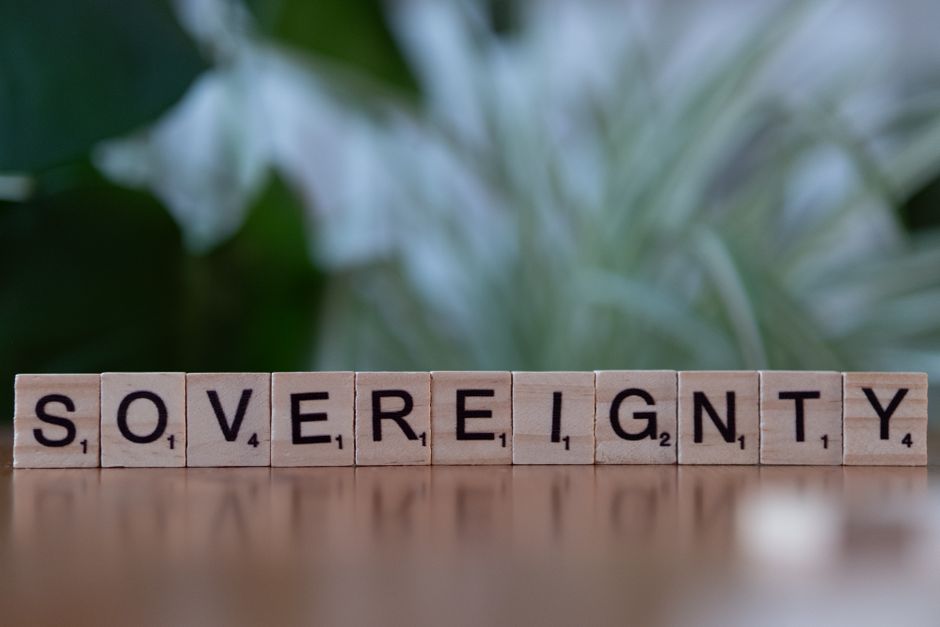
Photo by Markus Winkler on Pexels
Many nations are increasingly concerned about digital sovereignty, meaning their ability to control their own digital infrastructure, data, and online narratives without undue influence from foreign governments or multinational corporations. This drives policies like data localization, national cloud initiatives, and the promotion of domestic tech champions.
3. Worked Example
Consider the adoption of encrypted messaging apps like WhatsApp or Signal in a country undergoing political unrest.
- Initial Adoption: Citizens in the unrest-prone country rapidly adopt these apps for secure communication, organizing protests, and sharing information outside state-controlled media. This bypasses government surveillance.
- Government Response: The government views this as a threat to national security and stability. It might first try to block the apps (e.g., shutting down internet access, blocking specific IPs).
- Tech Company Dilemma: The app providers face pressure from the government to hand over user data or create backdoors. If they comply, they betray user trust; if they refuse, they risk being banned from a significant market.
- Citizen Adaptation: Citizens might then turn to VPNs to bypass blocks, use more decentralized communication tools, or develop coded language, creating a cat-and-mouse game between state and citizens.
- Geopolitical Impact: International bodies or other nations might condemn the government's actions (e.g., internet shutdowns), creating diplomatic tensions, while some foreign adversaries might covertly support the use of such apps to destabilize the regime.
4. Key Takeaways
- Geopolitical factors fundamentally shape how new media is adopted and used globally.
- Governments actively regulate new media to protect national interests, maintain stability, or exert control.
- Authoritarian regimes prioritize information control, while democracies balance openness with security concerns.
- Global tech companies are significant geopolitical actors, navigating conflicting demands from different states.
- The concept of digital sovereignty is driving many national policies regarding data and technology.
- New media can empower citizens but also serves as a battleground for cyber warfare and disinformation campaigns.
- Adoption patterns are influenced by a constant interplay between technological innovation, state power, and societal demand.
Common mistakes to avoid:
- Assuming technology adoption is purely driven by user demand or technical superiority.
- Underestimating the power of states to control or manipulate new media environments.
- Ignoring the ethical dilemmas faced by tech companies operating across diverse political landscapes.
- Forgetting that "the internet" isn't a single, uniform space, but a collection of interconnected, nationally regulated networks.
5. Now Try It
Think about the recent adoption of AI-generated content tools (like ChatGPT or Midjourney). Spend 15 minutes researching how at least two different countries (e.g., USA, China, EU member state, Russia) are approaching the regulation or integration of these tools.
What to do: Find news articles or government statements.
What success looks like: You should be able to identify at least one specific policy or concern from each country that reflects a geopolitical dynamic (e.g., national security, economic competitiveness, censorship, data privacy, maintaining cultural narrative).
Frequently asked about Geopolitical Dynamics of New Media Adoption
Study this next
Get the full Novos Media curriculum
Clone the complete plan to your dashboard for unlimited AI-generated notes, practice quizzes, and a personalised revision schedule.
Save this course free