Introduction to New Media as a Field
From the Novos Media curriculum
TL;DR
New Media is a dynamic field exploring the impact of digital and internet technologies on how we create, consume, and interact with information. It moves beyond traditional media forms, focusing on interactivity, convergence, and user participation. Understanding New Media means grasping its unique characteristics and how they shape our modern world.
1. The Mental Model
Think of New Media as a constant conversation happening everywhere, all the time, through digital tools. It's not just about watching TV; it's about commenting on a show online, sharing clips, or even making your own version.
2. The Core Material
New Media isn't just "new" because it uses computers; it's new because of fundamental shifts in how media works. These shifts involve several key characteristics that distinguish it from older forms like print newspapers, radio, or broadcast television.
What Defines New Media?

Photo by Beyzanur K. on Pexels
Here are the core characteristics:
- Digitization: All New Media content is converted into computer-readable digital data. This allows for easy storage, manipulation, and transmission. Think of a photo on your phone versus a physical print.
- Interactivity: Unlike traditional media where the audience is passive, New Media encourages active participation. You can click, comment, share, and even create content. This changes the one-way flow of information to a multi-directional one.
- Hypertextuality: This refers to the non-linear way information is organized and accessed. Instead of reading a book page-by-page, you can jump between related topics via hyperlinks, creating your own path through information.
- Networked: New Media thrives on connections. Content is often created, shared, and discussed within networks of users, platforms, and devices. The internet itself is a massive network facilitating this.
- Convergence: Different media forms (text, audio, video) and technologies (computers, phones, TVs) are merging. A single device, like your smartphone, can be a camera, a music player, a movie screen, and a communication tool.
- User-Generated Content (UGC): A significant portion of New Media content is created by its users, not just professional media producers. Social media posts, YouTube videos, blogs, and podcasts are prime examples.
How New Media Differs from Old Media
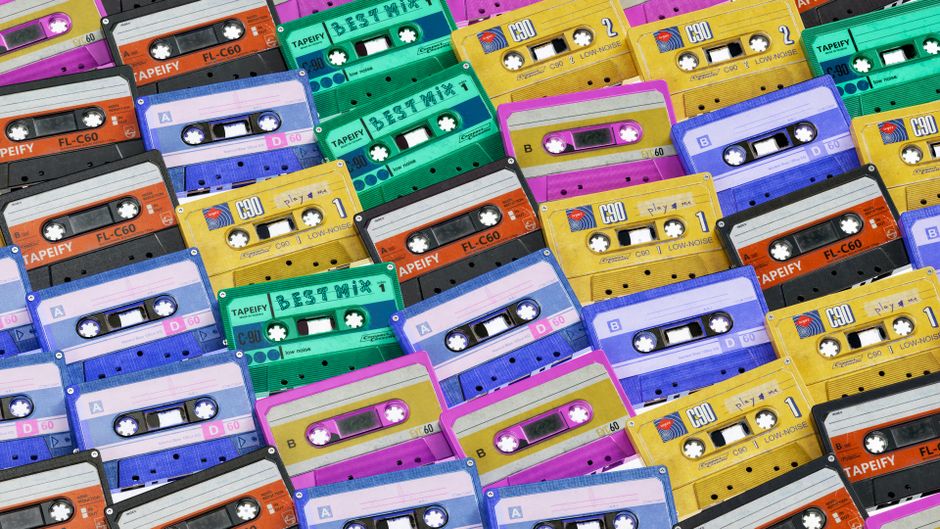
Photo by Igor Omilaev on Pexels
It's helpful to see New Media as an evolution, not just a replacement.
graph LR
    OldMedia["Traditional/Old Media (e.g., TV, Radio, Print)"]
    NewMedia["New Media (e.g., Social Media, Streaming, Websites)"]

    OldMedia --> A["One-to-Many Distribution (Broadcast)"]
    OldMedia --> B["Passive Audience (Consumer)"]
    OldMedia --> C["Linear Consumption (Start to Finish)"]
    OldMedia --> D["Fixed Content (Hard to Change)"]
    OldMedia --> E["Analog/Physical Format"]

    NewMedia --> F["Many-to-Many Distribution (Interactive)"]
    NewMedia --> G["Active User (Prosumer - Producer/Consumer)"]
    NewMedia --> H["Non-Linear/Hyperlinked Consumption"]
    NewMedia --> I["Dynamic & Mutable Content"]
    NewMedia --> J["Digital Format"]

    A --> F
    B --> G
    C --> H
    D --> I
    E --> J
This diagram shows a clear shift. Old Media was largely about a few producers delivering content to many passive consumers in a fixed, linear way. New Media flips this, empowering many users to create and share content, fostering dynamic and interactive experiences across networks.
3. Worked Example
Imagine you're watching a live sports event.
In the Old Media era, you'd sit in front of your TV, watch the game, and perhaps discuss it with family or friends later. The experience was largely one-way and broadcast.
In the New Media era, you might stream the game on your tablet. While watching, you're simultaneously checking Twitter for live commentary, sharing highlights on Instagram, and participating in a fantasy sports league that updates in real-time. You could even use an app to view different camera angles or access player stats on demand. This single experience blends streaming video (digitization), social media interaction (interactivity, networked, UGC), instant data access (hypertextuality), and using one device for multiple functions (convergence).
4. Key Takeaways
- New Media is characterized by digitization, interactivity, hypertextuality, being networked, convergence, and user-generated content.
- It shifts the media landscape from one-way broadcasting to multi-directional, participatory communication.
- The distinction isn't just about technology, but how that technology changes our relationship with information and content.
- New Media encourages users to be both consumers and producers of content (prosumers).
- This field is constantly evolving, with new platforms and technologies emerging regularly.
Common mistakes to avoid:
- Don't confuse "New Media" with just "the internet"; it's about the characteristics and implications of digital media.
- Don't think of it as completely replacing old media; often, they coexist and influence each other (e.g., TV shows encouraging social media interaction).
- Avoid seeing it as purely technological; social, cultural, and economic impacts are central to the field.
- Don't underestimate the role of the user; their active participation is a defining feature.
5. Now Try It
Spend 15 minutes observing your own media consumption. Pick one activity (e.g., watching a video, reading news, listening to music). Identify at least three distinct characteristics of New Media (digitization, interactivity, etc.) that are present in your experience. What would that same activity have been like using "old media" forms?
What success looks like: You can clearly explain how your chosen activity demonstrates specific New Media characteristics and articulate the key differences from its traditional counterpart.
Frequently asked about Introduction to New Media as a Field
Study this next
Get the full Novos Media curriculum
Clone the complete plan to your dashboard for unlimited AI-generated notes, practice quizzes, and a personalised revision schedule.
Save this course free