Introduction to Enzymes
From the Enzymes and nutrition (IGCSE) curriculum
TL;DR
Enzymes are special protein molecules that act as biological catalysts, speeding up chemical reactions in your body without being used up themselves. They work by binding to specific molecules called substrates at a unique site, lowering the energy needed for the reaction to happen. This process is crucial for life, helping with everything from digestion to energy production.
1. The Mental Model
Think of enzymes as tiny, highly specialized tools in your body. Each tool is designed to work on only one specific type of material (the substrate) to complete a particular task (the chemical reaction) very quickly and efficiently.
2. The Core Material
Enzymes are vital for all living organisms because they control the speed of nearly all chemical reactions in cells. Without enzymes, these reactions would happen too slowly to support life.
What are Enzymes?
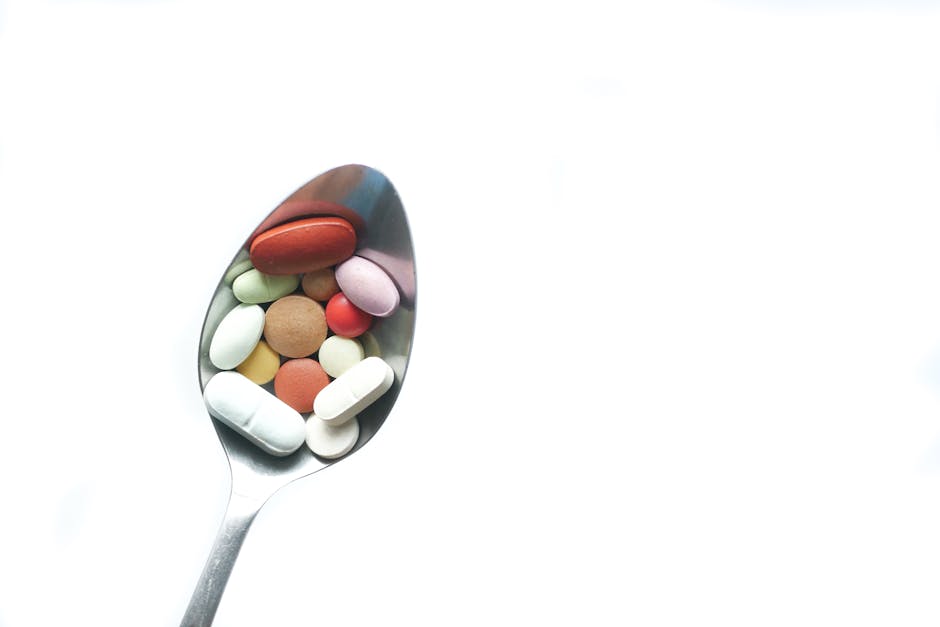
Photo by Towfiqu barbhuiya on Pexels
Enzymes are biological catalysts. A catalyst is something that speeds up a chemical reaction without being used up in the process. Because enzymes are made of protein, their specific 3D shape is critical for their function.
How Do Enzymes Work?

Photo by Ann H on Pexels
Enzymes work by lowering the activation energy of a reaction. Activation energy is the minimum energy required for a chemical reaction to start. By lowering this barrier, enzymes make reactions happen much faster.
The way they do this is often described by the lock-and-key hypothesis:
1. Substrate: This is the molecule that the enzyme acts upon.
2. Active Site: This is a specific region on the enzyme where the substrate binds. The active site has a unique shape that perfectly matches the shape of its specific substrate, just like a lock only fits a specific key.
3. Enzyme-Substrate Complex: When the substrate binds to the active site, they form a temporary complex.
4. Reaction & Products: While bound, the enzyme helps convert the substrate into new molecules called products.
5. Release: The products are then released from the active site, and the enzyme is free to bind to another substrate molecule and repeat the process. The enzyme itself remains unchanged.
Here's how that process flows:
graph TD
    A["Enzyme + Substrate"] --> B["Enzyme-Substrate Complex"]
    B --> C["Enzyme + Products"]
Specificity of Enzymes
Photo by Towfiqu barbhuiya on Pexels
Enzymes are highly specific. This means each enzyme usually catalyses only one type of reaction or acts on only one type of substrate. For example, the enzyme amylase breaks down starch, but it won't break down proteins or fats. This specificity comes from the unique shape of its active site.
Factors Affecting Enzyme Activity
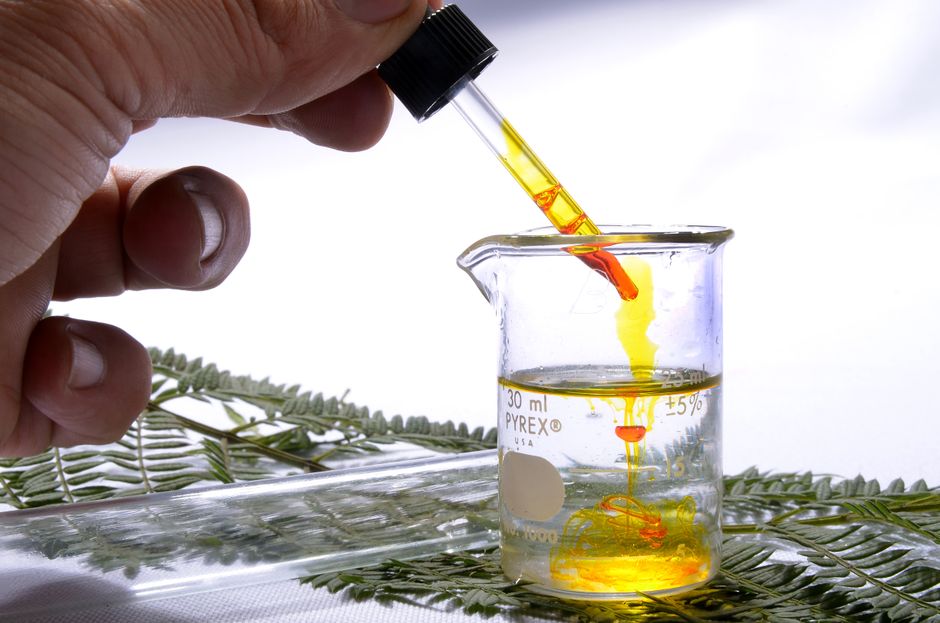
Photo by Jorge Sepúlveda on Pexels
The rate at which an enzyme works can be affected by several factors:
* Temperature:
* As temperature increases, enzyme activity generally increases because molecules move faster, leading to more collisions between enzymes and substrates.
* However, if the temperature gets too high (typically above 40-60°C for human enzymes), the enzyme's 3D shape, particularly its active site, starts to change. This is called denaturation.
* Denaturation is often irreversible; the enzyme loses its specific shape and can no longer bind to its substrate, meaning it stops functioning.
* At very low temperatures, enzymes are inactive but usually not denatured, so activity can resume if the temperature rises.
* pH:
* Each enzyme has an optimum pH at which it functions most efficiently.
* Changes in pH (either too acidic or too alkaline) away from the optimum can alter the enzyme's active site, leading to denaturation and reduced activity. For example, pepsin (in the stomach) works best in acidic conditions, while amylase (in the mouth) works best in neutral conditions.
* Substrate Concentration:
* As substrate concentration increases, the rate of reaction generally increases because there are more substrate molecules available to bind with the enzyme's active sites.
* However, eventually, all the active sites on all the enzyme molecules will be occupied. At this point, the enzyme is working at its maximum rate, and increasing substrate concentration further will not increase the reaction rate. This is called saturation.
3. Worked Example
Let's consider the enzyme amylase. You find amylase in your saliva.
- Substrate: Starch (a complex carbohydrate).
- Enzyme: Amylase.
- Active Site: Amylase has an active site perfectly shaped to bind to starch molecules.
- Process: When you chew food containing starch, amylase in your saliva begins to bind to the starch. At the active site, amylase helps break the long starch molecules into smaller sugar molecules (like maltose).
- Products: Maltose and other smaller sugars are released. The amylase is then free to break down more starch.
- Conditions: Amylase works best at the neutral pH found in your mouth (around pH 7) and body temperature (around 37°C). If it enters your very acidic stomach, it denatures and stops working.
4. Key Takeaways
- Enzymes are proteins that act as biological catalysts, speeding up reactions without being used up.
- Each enzyme has a specific 3D shape with an active site that only fits a particular substrate.
- Enzymes work by lowering the activation energy required for a chemical reaction to occur.
- Temperature and pH significantly affect enzyme activity; extreme conditions can cause denaturation, where the enzyme loses its shape and function.
- Enzyme activity increases with substrate concentration until all active sites are saturated.
Common Mistakes to Avoid:
- Don't confuse enzymes with reactants; enzymes are catalysts, not consumed in the reaction.
- Don't think denaturation is reversible; for most enzymes, it's a permanent change.
- Don't assume all enzymes work best at the same pH or temperature; they each have an optimum.
- Don't forget that enzymes are proteins; their function is directly linked to their specific 3D structure.
5. Now Try It
Imagine you're trying to digest a piece of bread (which contains a lot of starch). Describe, step-by-step, what happens to the starch when it interacts with amylase in your mouth. Include what the enzyme does, what happens to the starch, and what happens to the enzyme after the reaction. What would happen if you swallowed very hot food that temporarily raised the temperature in your mouth to 70°C?
Frequently asked about Introduction to Enzymes
Study this next
Get the full Enzymes and nutrition (IGCSE) curriculum
Clone the complete plan to your dashboard for unlimited AI-generated notes, practice quizzes, and a personalised revision schedule.
Save this course free