"Sustainable and innovative materials: biomaterials, recycled content, low VOC, smart materials",
From the details for interiors curriculum
TL;DR
You'll learn about materials that reduce environmental impact and improve indoor spaces. We'll cover biomaterials, recycled content, and low VOC options that are better for the planet and people. We'll also touch on smart materials that adapt to their environment.
1. The Mental Model
Think of choosing materials like making healthier choices for your home and the Earth. Instead of conventional, resource-heavy options, you're picking materials that are either natural and renewable, made from waste, don't pollute your air, or can actively respond to your needs.
2. The Core Material
When designing interiors, selecting materials has a huge impact on both environmental sustainability and occupant well-being. Focusing on sustainable and innovative materials means you're making choices that minimize harm and maximize benefit.
Biomaterials
These are materials derived from living organisms or natural processes. They're often renewable, biodegradable, and have a lower carbon footprint than traditional materials.
- Examples:
- Bamboo: A fast-growing grass that can be used for flooring, wall coverings, and furniture. It's incredibly strong and regenerates quickly.
- Cork: Harvested from the bark of cork oak trees without harming the tree, it's excellent for flooring, insulation, and acoustic panels due to its sound-absorbing and insulating properties.
- Mycelium (Mushroom-based): The root structure of fungi, mycelium can be grown into various shapes and forms, creating lightweight, fire-resistant, and biodegradable insulation, packaging, and even furniture components.
- Bio-plastics (PLA, PHA): Plastics made from renewable biomass sources like corn starch or sugarcane. While their environmental impact can vary, they offer an alternative to petroleum-based plastics in certain applications.
Recycled Content Materials

Photo by Engin Akyurt on Pexels
These materials are made from waste products, diverting them from landfills and reducing the need for virgin resources.
- Examples:
- Recycled Glass: Used in countertops, tiles, and decorative elements. It adds unique aesthetics and reduces energy consumption compared to making new glass.
- Recycled Plastics (rPET, rHDPE): Transformed into fabrics (for upholstery, carpets), wall panels, and even some furniture components. This helps reduce plastic waste.
- Recycled Wood/Engineered Wood Products: Materials like particleboard or MDF made from wood waste or rapidly renewable wood species. Reclaimed wood from old buildings is another fantastic option for flooring or structural elements.
- Recycled Metals: Aluminium, steel, and copper can be recycled indefinitely with significant energy savings. Used in fixtures, furniture frames, and cladding.
Low VOC Materials (Volatile Organic Compounds)

Photo by Ivan S on Pexels
VOCs are chemicals emitted as gases from certain solids or liquids, and they can cause short- and long-term adverse health effects. Low VOC materials help improve indoor air quality.
- Common Sources of VOCs: Paints, sealants, adhesives, flooring, and furniture finishes.
- Why they matter: High VOC levels can lead to "sick building syndrome," causing headaches, dizziness, and respiratory problems. Choosing low VOC alternatives is crucial for occupant health.
- What to look for: Certifications like GreenGuard, Cradle to Cradle, or specific product labels indicating "low VOC" or "zero VOC."
Smart Materials
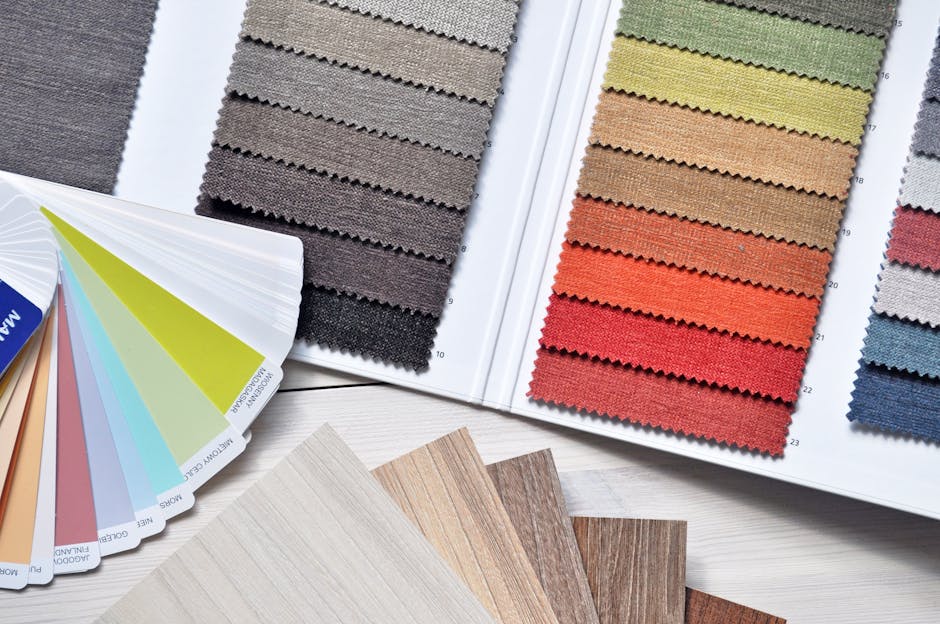
Photo by Pixabay on Pexels
These are innovative materials that can sense and respond to changes in their environment, offering dynamic and adaptive interior solutions.
- Examples:
- Thermochromic Materials: Change color based on temperature. Can be used in textiles or wall finishes for aesthetic effects or to indicate thermal changes.
- Photochromic Materials: Change color or transparency in response to light. Useful for dynamic windows or privacy screens.
- Self-healing Materials: Can repair themselves after minor damage, extending their lifespan. Currently more common in coatings and niche applications, but evolving.
- Piezoelectric Materials: Generate an electric charge when mechanically stressed. Could potentially be integrated into flooring to harvest energy from footsteps.
Here's a breakdown of how these material choices contribute to a project:
graph TD
    A["Material Selection"] --> B{"Environmental Impact?"}
    B --> C{{"Yes, significant"}}
    B --> D{{"No, minimal"}}

    C --> E["Choose Sustainable Options"]
    E --> F["Biomaterials (e.g., Bamboo, Cork)"]
    E --> G["Recycled Content (e.g., rPET Fabrics, Recycled Glass)"]
    E --> H["Low VOC (e.g., Paints, Adhesives)"]

    E --> I["Consider Smart Materials"]
    I --> J["Dynamic Functionality (e.g., Photochromic Glass)"]
    I --> K["Adaptive Performance (e.g., Self-healing Coatings)"]

    F --> L["Renewable Resources"]
    G --> M["Waste Diversion"]
    H --> N["Improved Indoor Air Quality"]

    J --> O["Enhanced User Experience"]
    K --> P["Increased Durability"]

    D --> Q["Good! Proceed with caution for other factors"]
    L --> R["Positive Project Outcomes"]
    M --> R
    N --> R
    O --> R
    P --> R
3. Worked Example
Imagine you're specifying materials for a small commercial office fit-out.
Challenge: The client wants a modern, bright space with a focus on employee well-being and environmental responsibility. They're on a moderate budget but value longevity.
Your Material Choices:
- Flooring: Instead of traditional vinyl (high VOCs, petroleum-based), you specify cork flooring. It's renewable, excellent for acoustics (reducing office noise), naturally anti-microbial, and comfortable underfoot. Its natural texture adds warmth.
- Wall Paint: You select a zero-VOC interior paint certified by GreenGuard. This ensures that new paint odors dissipate quickly and employees aren't exposed to harmful fumes, promoting better indoor air quality.
- Acoustic Panels: Rather than virgin polyester, you opt for acoustic panels made from recycled PET plastic bottles. These panels effectively absorb sound, contributing to a quieter workspace, and divert plastic waste from landfills. They can also be designed with aesthetic patterns.
- Worksurface: For desk surfaces, you propose a material made from recycled glass and concrete aggregate. It's durable, unique in appearance, and reuses industrial waste.
- Window Treatment (Innovative): For west-facing windows, you suggest photochromic window film. During bright afternoons, it automatically darkens to reduce glare and heat gain, then lightens when the sun isn't as intense, saving on cooling costs and improving visual comfort without needing manual adjustments.
4. Key Takeaways
- Biomaterials offer renewable, often biodegradable, alternatives to traditional resource-intensive options.
- Recycled content materials reduce waste and demand for virgin resources, contributing to a circular economy.
- Low VOC products are crucial for maintaining healthy indoor air quality and protecting occupant health.
- Smart materials provide dynamic and adaptive solutions, enhancing comfort, efficiency, and user experience.
- Consider the entire lifecycle of a material, from sourcing to disposal, when making sustainable choices.
- Look for third-party certifications (e.g., GreenGuard, Cradle to Cradle) to verify sustainability claims.
Common Mistakes to Avoid:
* Assuming "natural" always means "sustainable" without checking for processing or transportation impacts.
* Ignoring VOC content in adhesives, sealants, and finishes, even if major surfaces are low VOC.
* Overlooking the embodied energy (energy used to produce and transport) of materials.
* Choosing innovative materials without fully understanding their long-term performance or maintenance needs.
5. Now Try It
Choose a specific interior space (e.g., a home kitchen, a hotel lobby, a retail store). Spend 15 minutes listing 3-5 key materials you'd specify for that space. For each material, identify a sustainable or innovative alternative and briefly explain why it's a better choice than a conventional option, considering both environmental and user benefits.
Success looks like: You've identified practical, specific material alternatives that address at least two aspects of sustainability (e.g., renewable, recycled, low VOC, smart functionality) and clearly articulated their advantages.
Frequently asked about "Sustainable and innovative materials: biomaterials, recycled content, low VOC, smart materials",
More from details for interiors
Get the full details for interiors curriculum
Clone the complete plan to your dashboard for unlimited AI-generated notes, practice quizzes, and a personalised revision schedule.
Save this course free