"name": "Advanced Materiality and Specification",
From the details for interiors curriculum
TL;DR
This topic is about moving beyond basic material choices to deeply understand how materials perform, are sourced, and impact a design. You'll learn to specify materials not just for aesthetics but for their technical properties, sustainability, and life-cycle implications. Mastering advanced materiality means making informed, responsible, and effective decisions for interior projects.
1. The Mental Model
Think of yourself as a detective, not just a shopper. You're investigating materials for their hidden characteristics, their backstory (where they came from), and their future impact (how long they'll last and what happens next). You're building a complete profile for every material, not just picking it for its looks.
2. The Core Material
When we talk about "advanced materiality," we're pushing past simply selecting a finish because it "looks nice." It's about a holistic understanding that encompasses performance, sustainability, life cycle, and precise documentation.
2.1. Performance Beyond Aesthetics

Photo by Sebastian Pichard on Pexels
Every material has a job to do. Understanding its technical properties is crucial for proper specification.
- Durability & Wear Resistance: How well does it hold up to traffic, abrasion, and impact? Think about flooring in a high-traffic lobby versus a residential bedroom. Key metrics include Martindale cycles for fabrics, Mohs hardness scale for minerals, and various impact resistance tests.
- Acoustics: Does it absorb sound, reflect it, or diffuse it? Materials like felt panels, acoustic plaster, or certain carpeting can significantly impact sound quality. Look for NRC (Noise Reduction Coefficient) ratings.
- Thermal Properties: How does it interact with heat? Some materials insulate, others conduct. This affects energy efficiency and occupant comfort. R-value (thermal resistance) is a common measure.
- Light Interaction: How does it reflect, absorb, or transmit light? This impacts perceived brightness, glare, and colour rendition. Look at Light Reflectance Value (LRV).
- Maintenance & Cleanability: How easy is it to keep clean and hygienic? Consider factors like porosity, stain resistance, and required cleaning agents.
- Fire Rating: This is critical for safety and code compliance. Materials are rated for their flame spread and smoke development. Terms like Class A, B, C or specific ASTM E84 ratings are essential.
2.2. Sustainability & Life Cycle Assessment (LCA)

Photo by Gustavo Fring on Pexels
This is where your detective work really pays off. You're looking at a material's entire journey.
- Sourcing: Where do the raw materials come from? Are they renewable? Recycled? Ethically mined or harvested?
- Manufacturing Process: How much energy and water are used? Are harmful chemicals produced? What are the labour practices?
- Transportation: How far does it travel? What's the carbon footprint of its journey?
- Installation: Are there fumes or waste generated during installation?
- In-Use Phase: What are its maintenance needs? Does it off-gas harmful chemicals (VOCs)? (Look for Greenguard, Cradle to Cradle, or Declare Label certifications).
- End-of-Life: Can it be recycled, reused, or composted? Or will it end up in a landfill?
2.3. Specification & Documentation
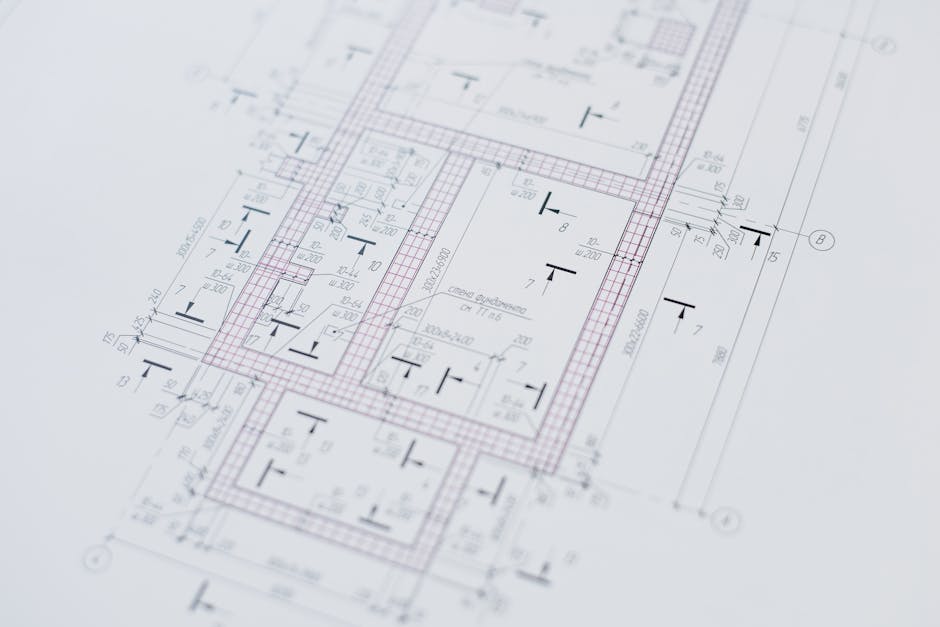
Photo by Ivan S on Pexels
Your specification documents are the legal and technical backbone of your project. They need to be crystal clear.
- Performance Criteria: Don't just name a product; specify why you chose it. "Carpet tile, broadloom, minimum NRC 0.75, Class A fire rating, suitable for heavy commercial traffic (min. 100,000 cycles)."
- Certifications: Include specific sustainability certifications (e.g., "FSC-certified timber," "Cradle to Cradle Certified™ Gold").
- Installation Requirements: Detail specific preparation, adhesives, and techniques.
- Maintenance Protocols: Outline recommended cleaning methods and schedules.
- Warranty Information: Ensure the client understands the product's warranty.
Here's a flowchart showing the advanced material selection process:
graph TD
    A["Project Brief & Design Concept"] --> B["Identify Key Performance Needs (Acoustics, Durability, Fire, etc.)"]
    B --> C{"Material Research: Initial Scan"}
    C -- "Aesthetics & Availability Match" --> D["Deep Dive: Technical Data Sheets"]
    D --> E{"Assess Sustainability & LCA (Sourcing, Manufacturing, EoL)"}
    E -- "Meets Criteria & Budget?" --> F["Evaluate Certifications (VOCs, FSC, Cradle to Cradle)"]
    F --> G["Compare Multiple Options Against Criteria"]
    G --> H["Select Preferred Material(s)"]
    H --> I["Develop Detailed Specification (Performance, Installation, Maintenance)"]
    I --> J["Client Review & Approval"]
    J --> K["Procurement & Installation Monitoring"]
2.4. Innovation & Emerging Materials

Photo by Jan Habarta on Pexels
Stay current with new materials and technologies. This includes biomaterials (e.g., mushroom mycelium, algae-based plastics), smart materials (e.g., thermochromic paints, self-healing concrete), and advanced composites. Understanding their potential and limitations can give your designs a competitive edge.
3. Worked Example
Let's say you're specifying flooring for a high-traffic hospital waiting area that also needs excellent acoustics and must meet stringent health and safety standards.
Basic Specification (Insufficient):
"Vinyl plank flooring, light wood look."
Advanced Specification (Comprehensive):
Material: Luxury Vinyl Tile (LVT), interlocking plank system.
Manufacturer/Model: Tarkett iD Revolution, "Urban Oak Light."
Performance Criteria:
* Wear Layer: Minimum 0.7mm (30 mil) commercial wear layer.
* Traffic Rating: Suitable for very heavy commercial traffic (EN ISO 10582, Type M, Class 34).
* Abrasion Resistance: T-rated (EN 660-2).
* Slip Resistance: R10 (DIN 51130).
* Acoustics: Integrated acoustic backing with minimum 19dB impact sound reduction (EN ISO 717-2).
* Fire Rating: Bfl-s1 (EN 13501-1) - Low flammability, very limited smoke production.
* Chemical Resistance: Excellent resistance to common hospital disinfectants and staining agents.
* Indent Resistance: Residual indentation < 0.10 mm (EN 433).
* Maintenance: No-wax finish, requiring only daily damp mopping with pH-neutral cleaner.
Sustainability & Health:
* VOC Emissions: TVOC < 10 µg/m³ (at 28 days) - complies with AgBB criteria.
* Certifications: Cradle to Cradle Certified™ Gold, Declare Label Red List Free. Phthalate-free plasticizer.
* Recycled Content: Minimum 25% post-consumer recycled content.
* End-of-Life: 100% recyclable through Tarkett's ReStart® program.
Installation:
* To be installed over a clean, dry, level subfloor in accordance with manufacturer's guidelines (ASTM F710). Acclimatization period of 48 hours required.
Warranty: 10-year commercial warranty against manufacturing defects and excessive wear.
This advanced specification leaves no room for ambiguity and ensures the material performs exactly as needed for the demanding hospital environment.
4. Key Takeaways
- Go beyond looks: Always evaluate materials based on their technical performance criteria, not just aesthetics.
- Think holistically: Understand a material's entire life cycle, from source to disposal.
- Prioritize sustainability: Seek out certifications and transparent data regarding environmental and health impacts.
- Specify precisely: Your documentation must clearly communicate all required performance standards, certifications, and installation details.
- Research innovation: Keep abreast of new materials and technologies that offer better performance or sustainability.
- Client education is key: Be prepared to explain why certain advanced material choices are made.
- Codes are non-negotiable: Always ensure materials meet all relevant building codes and safety standards.
Common Mistakes to Avoid:
- Under-specifying: Simply naming a product without detailing its required performance.
- Ignoring life-cycle impact: Focusing only on upfront cost and aesthetics, overlooking long-term environmental costs.
- Overlooking maintenance: Choosing materials that are difficult or costly for the client to maintain.
- Not verifying claims: Taking manufacturer claims at face value without checking certifications or technical data sheets.
- Skipping mock-ups/samples: Not testing how a material performs or looks in the actual project environment.
5. Now Try It
For a hypothetical café project, select the primary flooring material for the main seating area.
What to do:
1. Identify at least three key performance requirements for this café flooring (e.g., slip resistance, durability, acoustics).
2. Research three different material options (e.g., LVT, polished concrete, porcelain tile, engineered wood).
3. For your preferred option, write a concise advanced specification for it, including at least three performance metrics, one sustainability/health certification, and one maintenance note.
What success looks like:
You'll have a clear specification that moves beyond a generic product name, detailing specific, measurable attributes that justify your choice for a café environment. Your specification will show an understanding of the material's function and its broader impact.
Frequently asked about "name": "Advanced Materiality and Specification",
More from details for interiors
Get the full details for interiors curriculum
Clone the complete plan to your dashboard for unlimited AI-generated notes, practice quizzes, and a personalised revision schedule.
Save this course free