Introduction to Evolution
From the Diversity of life curriculum
TL;DR
Evolution is the process by which populations of organisms change over generations. It's driven mainly by natural selection, where advantageous traits become more common. This leads to the diversity of life we see today.
1. The Mental Model
Think of evolution like a gradual shaping process. Over long periods, living things adapt to their surroundings. Those best suited survive and pass on their winning traits.
2. The Core Material
Evolution explains how life on Earth has changed and diversified over millions of years. It's a fundamental concept in biology, providing a framework for understanding everything from tiny bacteria to complex ecosystems.
What is Evolution?
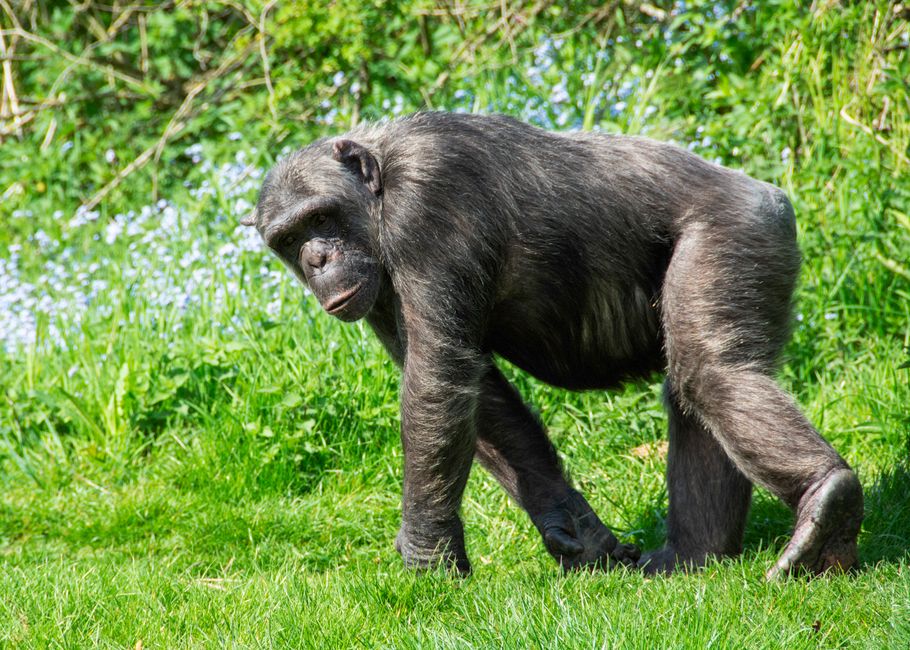
Photo by Kerry Atkins on Pexels
At its simplest, evolution is change in the heritable characteristics of biological populations over successive generations. "Heritable characteristics" means traits that can be passed down from parents to offspring.
Key Mechanisms of Evolution

Photo by Pixabay on Pexels
While there are several ways populations can evolve, natural selection is the most significant and widely understood mechanism.
-
Natural Selection: This is often called "survival of the fittest," but it's more accurately "reproduction of the fittest." It relies on three main principles:
- Variation: Individuals within a population have different traits (e.g., some birds have longer beaks, some are faster).
- Heritability: Many of these traits can be passed from parents to offspring.
- Differential Survival & Reproduction: Individuals with traits that are better suited to their environment are more likely to survive, reproduce, and pass on those advantageous traits. Over time, these advantageous traits become more common in the population.
-
Genetic Drift: Random changes in the frequency of traits, especially noticeable in small populations. Imagine a small group of birds where, purely by chance, more blue birds die before reproducing than red birds. The population then has fewer blue genes, not because red is "fitter," but just by luck.
-
Gene Flow: The movement of genes between populations, usually through migration. If individuals from one population move to another and breed, they introduce new genes or alter the frequency of existing ones.
-
Mutation: Random changes in the DNA sequence. Mutations are the ultimate source of all new genetic variation. Most mutations are neutral or harmful, but occasionally, one can be beneficial and then acted upon by natural selection.
Here's how natural selection works as a process:
graph TD
    A["Variation in a Population"] --> B["Environmental Pressure/Challenge"]
    B --> C{"Individuals with advantageous traits are more likely to survive & reproduce"}
    C --> D["Pass on advantageous traits to offspring"]
    D --> E["Advantageous traits become more common in the population over generations"]
    E --> F["Population becomes better adapted to its environment"]
Evidence for Evolution
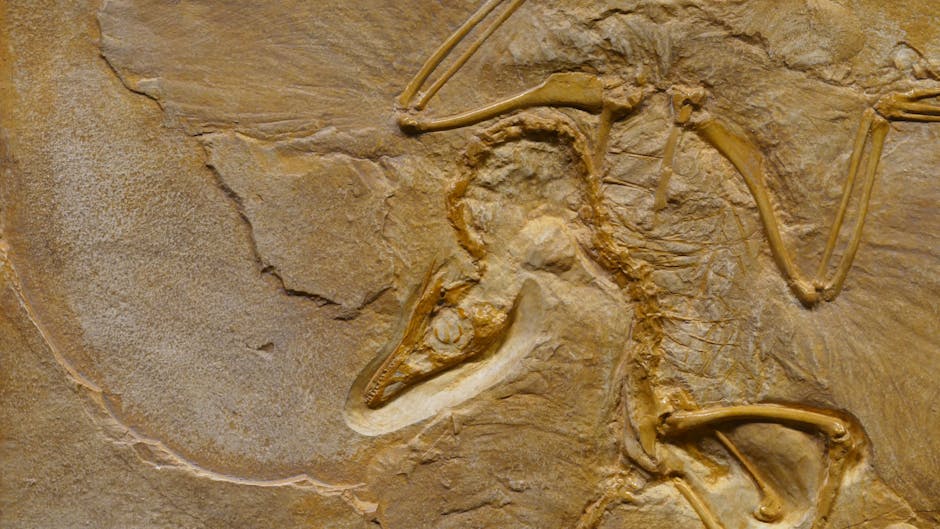
Photo by Marcus Lange on Pexels
Scientists have gathered a vast amount of evidence supporting evolution:
- Fossils: Show a progression of life forms over time, including transitional forms.
- Anatomy: Similarities in bone structures (homologous structures) between different species suggest common ancestry (e.g., the limb structure of humans, bats, whales, and cats).
- Embryology: Similar developmental stages in different species' embryos.
- Biogeography: The geographic distribution of species makes sense in an evolutionary context (e.g., unique marsupials in Australia).
- Molecular Biology: Striking similarities in DNA and protein sequences across different organisms, indicating shared ancestry.
3. Worked Example
Let's consider the classic example of the peppered moth ( Biston betularia ) in England during the Industrial Revolution.
Before the Industrial Revolution, most peppered moths were light-colored with dark speckles, blending in perfectly with the lichen-covered tree trunks. Darker moths (a rare variant due to mutation) were easily spotted and eaten by birds.
As industrialization progressed, soot and pollution blackened the tree trunks, killing the lichen. Suddenly, the light-colored moths stood out, while the previously rare dark moths became camouflaged.
Outcome: Over just a few decades, the population of peppered moths shifted dramatically. The dark-colored moths, now better camouflaged, survived and reproduced more successfully than the light-colored moths. Their numbers increased, while the light-colored moths declined. This is a clear, observable example of natural selection in action, leading to a change in the moth population's characteristics over time.
4. Key Takeaways
- Evolution is the change in heritable traits of a population over generations.
- Natural selection is the primary driver of evolution, acting on variation within a population.
- Variation, heritability, and differential survival/reproduction are the core principles of natural selection.
- Other evolutionary mechanisms include genetic drift, gene flow, and mutation.
- Evidence for evolution comes from fossils, comparative anatomy, embryology, biogeography, and molecular biology.
- Evolution explains the vast diversity and adaptation of life on Earth.
Common mistakes you should avoid:
- Thinking individuals evolve during their lifetime; populations evolve, not individuals.
- Believing evolution has a goal or is "progressing" towards a perfect form; it's simply adaptation to current conditions.
- Confusing natural selection with random chance; while mutations are random, selection itself is not.
- Assuming humans are "above" or "outside" the process of evolution.
5. Now Try It
Think about an animal you know well (e.g., a pet, a common bird, or an animal from a documentary). Over the next 15 minutes, consider one of its specific traits (like fur color, speed, beak shape, or camouflage). Describe how you think this trait might have evolved through natural selection, identifying the environmental pressure it helps with and how variation in that trait might have led to differential survival and reproduction.
Frequently asked about Introduction to Evolution
Study this next
Get the full Diversity of life curriculum
Clone the complete plan to your dashboard for unlimited AI-generated notes, practice quizzes, and a personalised revision schedule.
Save this course free