Mechanisms of Exchange Rate Determination
From the exchange rates note I live in Canada curriculum
TL;DR
Exchange rates, like the CAD to USD, are set by the supply and demand for currencies in foreign exchange markets. Various factors, including interest rates, inflation, and trade balances, influence these supply and demand dynamics. Understanding these mechanisms helps explain why the value of the Canadian dollar changes against other currencies.
1. The Mental Model
Think of the Canadian dollar (CAD) as a product, and its price against another currency (like the US dollar, USD) is determined in a global marketplace. When more people want to buy CAD than sell it, its price goes up; when more want to sell, its price goes down.
2. The Core Material
The exchange rate tells you how much one currency is worth in terms of another. For you in Canada, it's often how many Canadian dollars it takes to buy one unit of another currency, like 1 USD.
Supply and Demand for Currencies
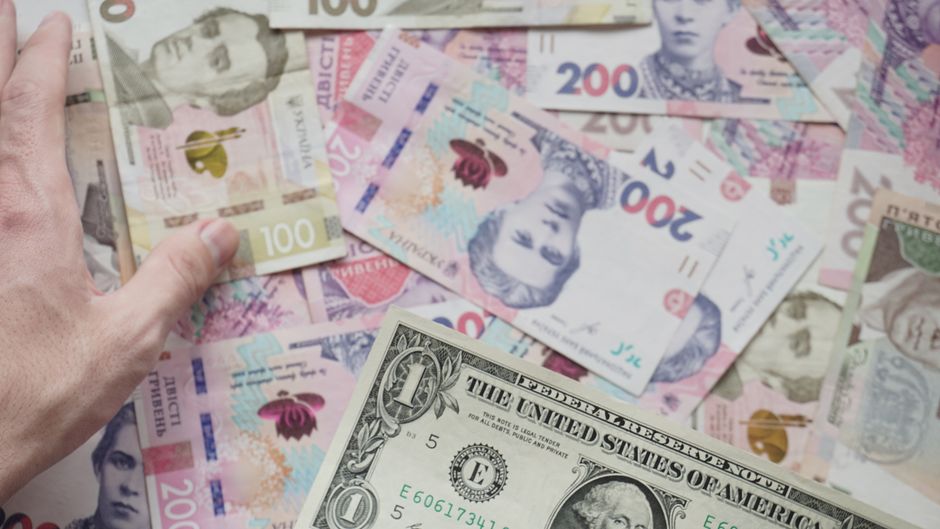
Photo by Dmytro Glazunov on Pexels
Just like any other market, the foreign exchange (forex) market operates on supply and demand.
- Demand for CAD: Comes from anyone who needs Canadian dollars. This includes foreigners buying Canadian goods or services, investing in Canadian assets (like stocks or bonds), or simply needing CAD for travel to Canada.
- Supply of CAD: Comes from anyone selling Canadian dollars to buy another currency. This includes Canadians buying foreign goods/services, investing abroad, or travelling outside Canada.
When the demand for CAD increases relative to its supply, the CAD appreciates (gets stronger, meaning you need fewer CAD to buy 1 USD). When the supply of CAD increases relative to its demand, the CAD depreciates (gets weaker, meaning you need more CAD to buy 1 USD).
Key Factors Influencing Exchange Rates

Photo by Atlantic Ambience on Pexels
Several major factors shift the supply and demand curves for currencies:
1. Interest Rates
This is a big one. If the Bank of Canada (BoC) raises interest rates relative to, say, the US Federal Reserve, Canadian assets (like bonds) become more attractive to foreign investors because they offer higher returns. Foreigners will then need to buy CAD to invest in these Canadian assets, increasing the demand for CAD and causing it to appreciate. Conversely, if Canadian rates fall relative to others, investors might sell CAD to invest elsewhere, increasing the supply of CAD and causing it to depreciate.
2. Inflation
If Canada has higher inflation than the US, Canadian goods and services become relatively more expensive for foreigners. This makes Canadian exports less attractive, reducing the demand for CAD. At the same time, Canadian consumers might find foreign goods cheaper, increasing their demand for foreign currency and thus the supply of CAD. Both effects lead to a depreciation of the CAD.
3. Trade Balance
This refers to the difference between a country's exports and imports.
* Trade Surplus (Exports > Imports): If Canada exports more than it imports, foreigners need to buy more CAD to pay for Canadian goods and services. This increases the demand for CAD, leading to appreciation.
* Trade Deficit (Imports > Exports): If Canada imports more than it exports, Canadians need to sell more CAD to buy foreign goods and services. This increases the supply of CAD, leading to depreciation.
4. Economic Growth and Stability
A strong, growing Canadian economy attracts foreign investment, increasing the demand for CAD. Conversely, political instability or a weak economic outlook can scare away investors, increasing the supply of CAD as they pull their money out.
5. Government Debt and Policy
High levels of government debt can make foreign investors wary, potentially leading to capital outflows and depreciation. Fiscal and monetary policies (like those set by the BoC) also play a crucial role by influencing interest rates and inflation expectations.
6. Speculation
Traders and investors in the forex market often buy or sell currencies based on their expectations of future exchange rate movements. If many believe the CAD will appreciate, they'll buy it now, increasing current demand and potentially causing it to appreciate sooner. This can be a powerful short-term driver.
Here's a diagram showing how these factors connect:
graph TD
    A["Factors Influencing Exchange Rates"] --> B["Increased Demand for CAD"];
    A --> C["Increased Supply of CAD"];

    B --> D["CAD Appreciates (Strengthens)"];
    C --> E["CAD Depreciates (Weakens)"];

    F["Higher Canadian Interest Rates (vs. others)"] --> B;
    G["Lower Canadian Inflation (vs. others)"] --> B;
    H["Canadian Trade Surplus"] --> B;
    I["Strong Canadian Economic Growth"] --> B;
    J["Positive Speculation on CAD"] --> B;

    K["Lower Canadian Interest Rates (vs. others)"] --> C;
    L["Higher Canadian Inflation (vs. others)"] --> C;
    M["Canadian Trade Deficit"] --> C;
    N["Weak Canadian Economic Outlook"] --> C;
    O["Negative Speculation on CAD"] --> C;
3. Worked Example
Let's imagine a scenario: The Bank of Canada (BoC) announces a surprise interest rate hike of 0.50%, while the US Federal Reserve keeps its rates unchanged.
- Initial Situation: Before the announcement, the CAD/USD exchange rate is 1.35 (meaning 1 USD costs 1.35 CAD).
- BoC Announcement: The BoC raises its key policy rate.
- Investor Response: Canadian bonds and other interest-bearing assets now offer a higher return compared to similar assets in the US.
- Demand for CAD: Foreign investors (e.g., US pension funds) see these higher returns and decide to buy more Canadian bonds. To do this, they need to convert their USD into CAD. This increases the demand for Canadian dollars in the forex market.
- Exchange Rate Change: With increased demand for CAD, its value appreciates. The CAD/USD exchange rate might shift from 1.35 to, say, 1.32. This means it now takes fewer Canadian dollars (1.32 CAD) to buy 1 US dollar, indicating a stronger CAD.
4. Key Takeaways
- Exchange rates reflect the supply and demand for currencies in the global market.
- Higher relative interest rates in Canada typically increase demand for CAD, leading to appreciation.
- Higher relative inflation in Canada tends to increase the supply of CAD and decrease demand, leading to depreciation.
- A Canadian trade surplus (exporting more than importing) increases demand for CAD and strengthens it.
- Economic growth and stability attract investment, boosting demand for the Canadian dollar.
- Speculation about future currency movements can heavily influence short-term exchange rate changes.
Common Mistakes to Avoid:
* Thinking only one factor matters: Exchange rates are influenced by multiple, often conflicting, factors simultaneously.
* Ignoring relative differences: It's not just the absolute level of interest rates or inflation that matters, but how they compare to other countries.
* Confusing appreciation with depreciation: Remember, if the CAD/USD rate goes from 1.35 to 1.30, the CAD has appreciated (gotten stronger), meaning 1 USD now costs less CAD.
* Assuming quick, direct impacts: While some news has immediate effects, underlying economic factors often work over longer periods.
5. Now Try It
For 15 minutes, imagine the Canadian government announces a major new trade deal with a large developing economy, expected to significantly boost Canadian exports over the next year. Describe step-by-step how this news might affect the CAD/USD exchange rate. Think about which supply/demand curves would shift and why, and what the likely impact on the CAD's value would be.
Frequently asked about Mechanisms of Exchange Rate Determination
Study this next
Get the full exchange rates note I live in Canada curriculum
Clone the complete plan to your dashboard for unlimited AI-generated notes, practice quizzes, and a personalised revision schedule.
Save this course free