Early Concepts and Historical Context of Evolutionary Thought
From the Diversity of life curriculum
TL;DR
Before Darwin, people had various ideas about life's diversity, often influenced by philosophy and religion, which paved the way for his revolutionary theory. Early thinkers like Aristotle organized life, while others proposed that species changed over time. These diverse historical perspectives show that the idea of evolution wasn't a sudden invention but developed gradually.
1. The Mental Model
Imagine a gradual shift from thinking all life was fixed and created as-is, to realizing that species actually change and adapt over vast stretches of time. It's like watching a slow-motion film of ideas evolving, culminating in a clear picture of how evolution works.
2. The Core Material
For a long time, the dominant view was that species were fixed and unchanging, often seen as divinely created. This idea is known as fixity of species. However, even ancient thinkers observed similarities and differences among living things, leading to early attempts at classification.
Early Philosophical and Religious Influences
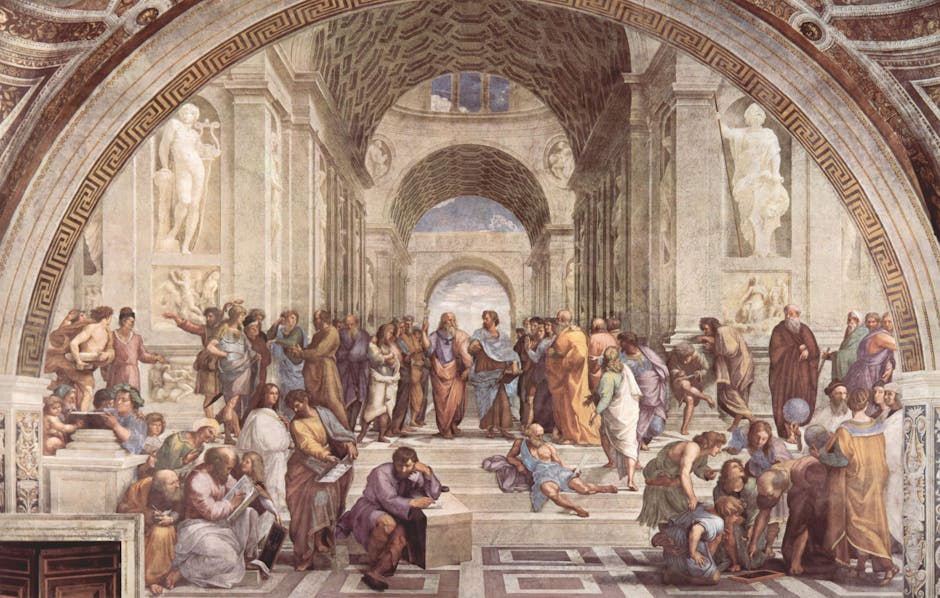
Photo by Pixabay on Pexels
- Ancient Greek Philosophers:
- Aristotle (384-322 BCE) developed the "Scala Naturae" or "Great Chain of Being." This was a hierarchical arrangement of life from simplest to most complex, with humans at the top. While it didn't suggest change, it was an early attempt to organize the diversity of life.
- Plato's concept of ideal forms suggested that variations we see in nature are imperfect reflections of perfect, unchanging essences.
- Abrahamic Religions: The idea of special creation dominated for centuries, where each species was individually created by a divine being. This reinforced the idea of fixity of species.
Shifting Perspectives and Early Ideas of Change

Photo by Nothing Ahead on Pexels
As exploration increased and more fossils were discovered, cracks started appearing in the fixity-of-species idea.
- Fossil Discoveries: Fossils of extinct organisms (like mammoths or ammonites) challenged the notion that all species created still existed. If species could go extinct, could they also change?
- Biogeography: Observations of different species in different geographic locations, even in similar environments, hinted that local conditions might influence life forms.
- Comparative Anatomy: Studying similarities in structures across different species (e.g., the bones in a bat's wing, a whale's flipper, and a human arm) suggested a common underlying plan.
Pre-Darwinian Evolutionary Thinkers
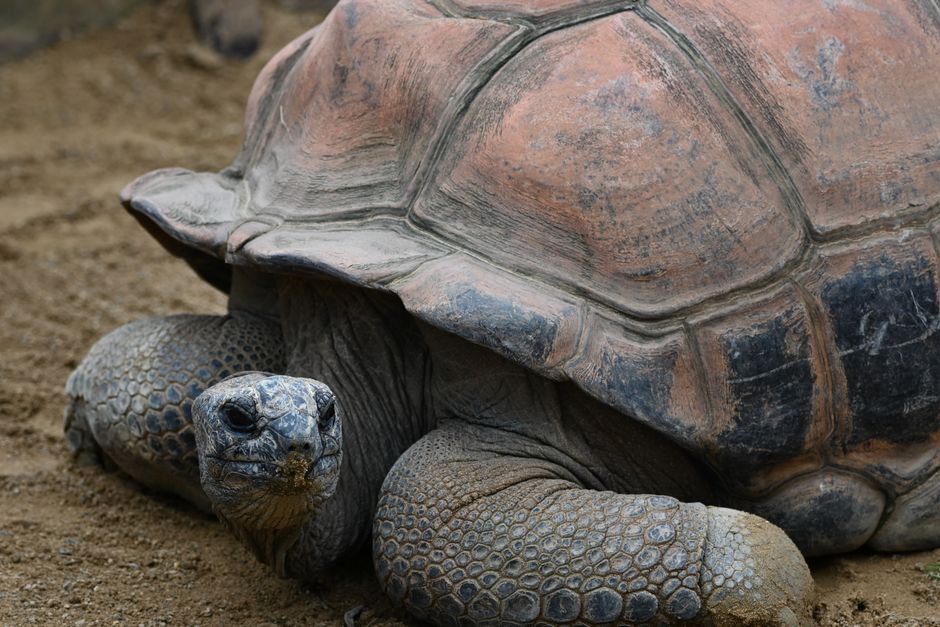
Photo by Wayne Jackson on Pexels
Several scientists proposed ideas about species change before Darwin and Wallace.
- Georges-Louis Leclerc, Comte de Buffon (1707-1788): Suggested that species might change over time due to environmental influences and even proposed that the Earth was much older than commonly believed.
- Erasmus Darwin (1731-1802): Charles Darwin's grandfather, he speculated that all life descended from a single common ancestor and that competition played a role in species modification.
- Jean-Baptiste Lamarck (1744-1829): Proposed a comprehensive theory of evolution based on two main ideas:
- Use and Disuse: Organs used more would develop, while those not used would atrophy.
- Inheritance of Acquired Characteristics: Traits acquired during an organism's lifetime could be passed on to its offspring (e.g., a giraffe stretching its neck to reach leaves, and its offspring inheriting a slightly longer neck). While incorrect about the mechanism, Lamarck was crucial for proposing a testable, naturalistic mechanism for evolution.
Here's how the general progression of thought looked:
graph LR
    A["Fixity of Species / Special Creation (Aristotle, Religious Doctrine)"] --> B["Observations Challenging Fixity (Fossils, Biogeography, Anatomy)"]
    B --> C["Early Ideas of Change (Buffon, E. Darwin)"]
    C --> D["Lamarck's Theory (Use/Disuse, Acquired Traits)"]
    D --> E["Pre-Darwinian Context for Natural Selection"]
3. Worked Example
Let's look at Lamarck's idea in action, as a concrete example of pre-Darwinian evolutionary thought.
Scenario: Imagine ancient giraffes with relatively short necks.
Lamarck's Explanation:
- Problem: Food sources (leaves on tall trees) are high up.
- Action (Use): Individual giraffes constantly stretch their necks during their lifetime to reach these leaves. This constant "use" causes their necks to become slightly longer.
- Inheritance of Acquired Trait: These slightly elongated necks are then passed on to their offspring.
- Result: Over many generations, this continuous stretching and inheritance leads to the long-necked giraffes we see today.
While we now know that traits acquired during an organism's life (like a longer neck from stretching) are generally not passed on genetically, Lamarck's thinking was revolutionary for proposing a natural, progressive mechanism for species change, and for highlighting the role of the environment.
4. Key Takeaways
- The idea of evolution wasn't new with Darwin; it had a long history of philosophical and scientific inquiry.
- Early concepts like Aristotle's Scala Naturae provided a hierarchical view of life but didn't suggest change.
- Religious beliefs strongly influenced the concept of "fixity of species" for centuries.
- Fossil discoveries and biogeographical observations were crucial in challenging the fixed-species idea.
- Lamarck proposed one of the first comprehensive theories of evolution, emphasizing use/disuse and inheritance of acquired traits, though his mechanism was later disproven.
- These early ideas laid essential groundwork, showing that species could change and that the Earth was ancient, setting the stage for Darwin's theory.
5. Now Try It
Spend 15 minutes researching another pre-Darwinian thinker (e.g., Carl Linnaeus, Georges Cuvier, Charles Lyell) and identify their main contribution to the context of evolutionary thought. How did their work either support or challenge the idea of fixed species, or how did it contribute to understanding Earth's history? Success looks like being able to briefly explain their core idea and its relevance to the development of evolutionary thought.
Frequently asked about Early Concepts and Historical Context of Evolutionary Thought
Study this next
Get the full Diversity of life curriculum
Clone the complete plan to your dashboard for unlimited AI-generated notes, practice quizzes, and a personalised revision schedule.
Save this course free