Introduction to Agricultural Mechanization
From the ASM curriculum
TL;DR
Agricultural mechanization is using machines and tools to make farming tasks easier and more efficient, replacing manual labor or animal power. It's crucial for increasing food production, reducing costs, and improving the quality of farm work and produce. Understanding mechanization helps you see how modern agriculture feeds the world.
1. The Mental Model
Think of agricultural mechanization as swapping your hands, or a plow pulled by an ox, for a machine that does the same job faster, better, or on a larger scale. It's about leveraging technology to overcome the limits of human or animal power in farming.
2. The Core Material
Agricultural mechanization involves applying engineering principles and technology to agriculture. It covers everything from simple hand tools to complex, automated systems, aiming to improve productivity, reduce labor, and manage resources more effectively.
Why Mechanize?
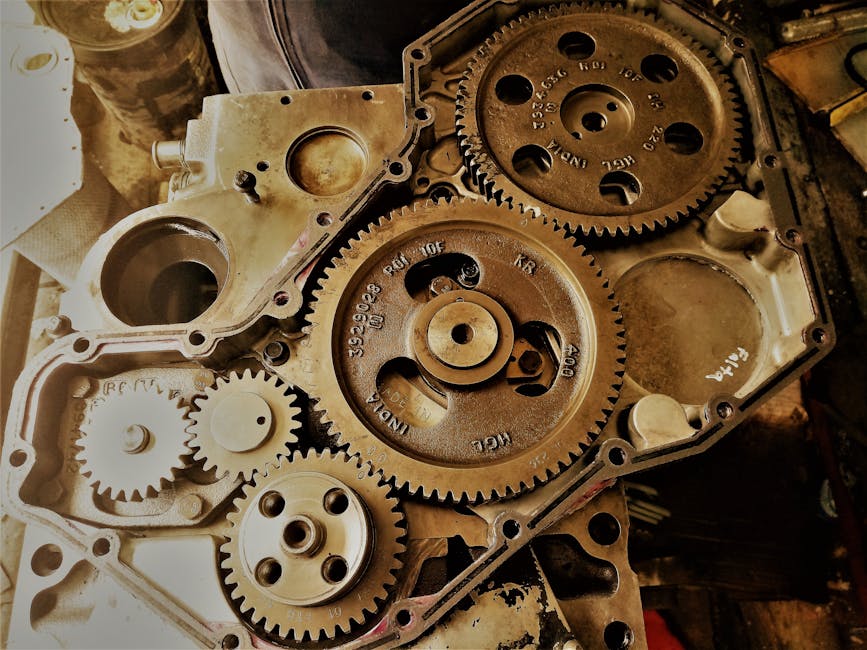
Photo by Ronaldo Galeano on Pexels
- Increased Productivity: Machines can work faster and for longer periods than humans or animals, covering more land and completing tasks more quickly. This means more crops in less time.
- Reduced Labor Demands: As populations shift away from manual farm labor, machines fill the gap, making farming viable even with fewer workers.
- Cost Efficiency: While initial investment can be high, machines often lead to lower per-unit production costs over time due to efficiency gains and reduced labor expenses.
- Improved Work Quality: Mechanization can lead to more precise planting, accurate application of fertilizers, and better harvesting, reducing waste and improving crop quality.
- Timeliness of Operations: Many farm tasks (like planting or harvesting) are time-sensitive. Machines ensure these operations are completed within optimal windows, crucial for yield.
- Reduced Drudgery and Safety: Mechanization removes much of the hard physical labor and can improve worker safety by handling dangerous tasks.
Levels of Mechanization

Photo by Chu Chup Hinh on Pexels
Mechanization isn't just about big tractors. It exists on a spectrum:
- Hand Tool Technology: Basic tools like hoes, sickles, and shovels. Minimal mechanization.
- Animal Power Technology: Using animals (oxen, horses) to pull plows or carts.
- Engine Power Technology (Basic): Small engines powering pumps, grinders, or simple tillers.
- Field Mechanization: Tractors and implements (plows, planters, harvesters) for major field operations. This is often what people imagine when they think of agricultural mechanization.
- Advanced Mechanization & Automation: GPS-guided tractors, robotic harvesters, drones for monitoring, sensor-based irrigation systems. Precision agriculture falls here.
graph TD
    A["Need to Increase Food Production"] --> B["Labor Shortages / High Labor Costs"]
    A --> C["Demand for Higher Quality Produce"]
    B --> D["Adopt Agricultural Mechanization"]
    C --> D
    D --> E["Increased Farm Productivity"]
    D --> F["Reduced Production Costs"]
    D --> G["Improved Crop Quality"]
    E --> H["Enhanced Food Security"]
    F --> H
    G --> H
Key Mechanized Operations

Photo by Mehmet Turgut Kirkgoz on Pexels
Agricultural mechanization impacts nearly every aspect of farming:
- Tillage: Preparing the soil (plowing, harrowing).
- Planting/Seeding: Precisely placing seeds or seedlings.
- Fertilizing: Applying nutrients to crops.
- Pest and Disease Control: Spraying pesticides or fungicides.
- Irrigation: Supplying water to crops.
- Harvesting: Gathering mature crops.
- Post-Harvest Operations: Cleaning, grading, drying, and storage.
3. Worked Example
Imagine a small farm growing corn manually. Planting a 1-hectare field might take 5 workers two full days (80 hours of labor) by hand, using basic tools. Weeding might take another 60 hours, and harvesting, another 100 hours. Total: 240 hours of manual labor.
Now, let's introduce basic mechanization.
* A small tractor with a planter can plant the same 1-hectare field in 2-3 hours with one operator.
* A tractor-mounted cultivator can weed it in 4-5 hours.
* A small combine harvester can harvest it in 6-8 hours.
Total mechanized labor: approximately 15-20 hours for one operator. That's a reduction of over 90% in labor time for the same field, allowing the farmer to cultivate more land or focus on other tasks.
4. Key Takeaways
- Agricultural mechanization uses machines and tools to improve farming efficiency and productivity.
- It ranges from simple hand tools to advanced robotics and precision agriculture systems.
- Key benefits include increased yields, reduced labor demands, lower production costs, and better crop quality.
- Mechanization helps farmers perform time-sensitive tasks within optimal windows.
- The shift to mechanization is driven by the need for more food and fewer available farm laborers.
- It impacts almost every stage of crop production, from soil preparation to post-harvest processing.
- Mechanization is crucial for feeding a growing global population efficiently.
Common Mistakes to Avoid:
- Don't assume mechanization only means large, expensive tractors; it includes a wide range of tools.
- Overlooking the importance of maintenance and repair for mechanized equipment.
- Ignoring the environmental impact (e.g., fuel consumption, soil compaction) when considering mechanization.
- Not matching the level of mechanization to the farm's scale and specific needs.
- Believing mechanization completely eliminates human labor; skilled operators and managers are still essential.
5. Now Try It
Spend 15 minutes researching a specific agricultural crop (e.g., rice, wheat, cotton, tomatoes) and identify at least three different mechanized operations used in its production, from planting to harvesting. For each operation, briefly describe the machine or tool used and its main benefit. For instance, for rice, you might look at mechanical transplanting, combined harvesting, or power tillers. Success means you can clearly explain how at least three distinct machines contribute to the efficiency of growing your chosen crop.
Frequently asked about Introduction to Agricultural Mechanization
Study this next
Get the full ASM curriculum
Clone the complete plan to your dashboard for unlimited AI-generated notes, practice quizzes, and a personalised revision schedule.
Save this course free