Introduction to Agricultural Systems and Components
From the agsc lecture 3 curriculum
Introduction to Agricultural Systems and Components
TL;DR
Agricultural systems are complex, interconnected webs of natural and human elements working together to produce food and fiber. Understanding these systems means looking at how components like soil, climate, plants, animals, and people interact. You'll learn to identify these parts and see how they influence each other.
1. The Mental Model
Think of an agricultural system like a living puzzle. Each piece – soil, water, plants, people – is essential, and they all fit together and influence each other. If you change one piece, it affects the whole picture.
2. The Core Material
An agricultural system is essentially a functional unit that brings together natural resources (like land, water, sunlight), biological components (plants, animals, microbes), and human elements (labor, management, technology, economics) to produce agricultural products. It's not just a farm; it's the whole interconnected network.
Let's break down the key components:
2.1 Natural Resources (The Foundation)

Photo by Jonathan Borba on Pexels
These are the non-living elements that set the stage:
* Climate: Temperature, rainfall, sunlight hours, wind. These determine what crops and animals can thrive.
* Soil: The medium for plant growth. Its texture, fertility, and structure are crucial.
* Water: Essential for plant and animal life. Its availability (rain, irrigation) is a major factor.
* Topography: The land's shape – flat, hilly, mountainous – impacts cultivation methods and erosion risk.
2.2 Biological Components (The Producers)
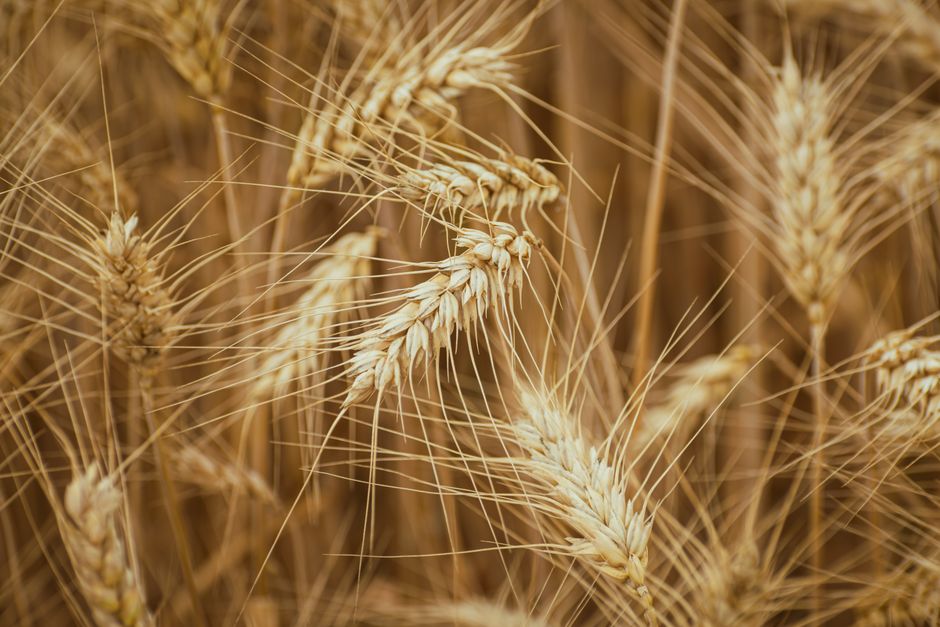
Photo by Nikolett Emmert on Pexels
These are the living organisms within the system:
* Crops: The plants grown for food, fiber, or fuel (e.g., corn, wheat, cotton). Their genetics and health are vital.
* Livestock: Animals raised for food, labor, or products (e.g., cattle, chickens, sheep).
* Microorganisms: Bacteria, fungi, and other tiny life forms in the soil that contribute to nutrient cycling and plant health.
* Pests & Diseases: Undesirable organisms that can negatively impact crops and livestock.
2.3 Human Elements (The Managers)

Photo by Vitaly Gariev on Pexels
This is where human decisions and actions come into play:
* Labor: The physical and mental effort involved in farming.
* Management: Decision-making, planning, and organization of farm activities.
* Technology: Tools, machinery, and innovations used to improve efficiency and yield (e.g., tractors, irrigation systems, genetically modified crops).
* Economic Factors: Markets, prices, subsidies, costs, and access to capital.
* Social & Cultural Factors: Traditions, community structures, food preferences, and land ownership patterns.
* Policy & Governance: Regulations, laws, and government programs affecting agriculture.
These components don't exist in isolation; they constantly interact. For example, soil health (natural) affects crop yield (biological), which in turn influences farmer income (human).
graph TD
    A["Natural Resources (Climate, Soil, Water)"] --> B["Biological Components (Crops, Livestock)"]
    A --> C["Human Elements (Labor, Management)"]
    B --> A
    B --> C
    C --> A
    C --> B
    C -- "Impacts via Policy/Economics" --> M["Markets & Society"]
    B -- "Provides Products to" --> M
    M -- "Influences" --> C
3. Worked Example
Imagine a small dairy farm in Wisconsin.
- Natural Resources: The farm has fertile soil (glaciers), a temperate climate with good rainfall, and access to fresh water. The topography is gently rolling.
- Biological Components: They raise Holstein cows for milk. They grow corn and alfalfa as feed for the cows. Soil microbes break down manure. They also deal with common pests like flies and occasional crop diseases.
- Human Elements: The farmer and family provide labor and make management decisions – when to plant, when to harvest, how to feed the cows. They use tractors (technology) for fieldwork and milking machines (technology) for the cows. Their income depends on milk prices (economic factor) set by regional markets. Local zoning laws (policy) dictate where they can expand. Their cultural background might influence their farming practices.
If rainfall decreases significantly (natural resource), the farmer might need to invest in irrigation (technology, human element) or switch to drought-resistant crops (biological, human element), which impacts their costs and profits (economic, human element).
4. Key Takeaways
- Agricultural systems are dynamic, interconnected units of natural, biological, and human elements.
- Natural resources like climate, soil, and water form the physical basis for farming.
- Biological components include all living organisms: crops, livestock, microbes, pests, and diseases.
- Human elements encompass labor, management, technology, economics, social factors, and policy.
- All components interact constantly, meaning a change in one often affects others throughout the system.
- Understanding these interactions is crucial for sustainable and productive agriculture.
Common Mistakes to Avoid:
- Thinking of farms solely as land and crops, ignoring the crucial human and economic factors.
- Overlooking the role of microorganisms and pests as integral biological components.
- Forgetting that climate and water are external factors that farmers must adapt to or manage.
- Assuming technology is a fix-all without considering its economic or environmental impacts.
5. Now Try It
Choose a specific type of agricultural system you're familiar with (e.g., an apple orchard, a cattle ranch, a rice paddy). Identify at least two components from each of the three main categories (natural, biological, human elements) and briefly describe how they interact with each other in that specific system.
What success looks like: You can clearly list components under each category and explain a cause-and-effect relationship between at least two different categories within your chosen system.
Frequently asked about Introduction to Agricultural Systems and Components
Study this next
Get the full agsc lecture 3 curriculum
Clone the complete plan to your dashboard for unlimited AI-generated notes, practice quizzes, and a personalised revision schedule.
Create Free Account