Introduction to Commerce and Foundational Concepts
From the i am in 11 cbse commerce with ip , accounts, business studies,economics and multi media curriculum
TL;DR
Commerce is all about activities that facilitate the exchange of goods and services, bridging the gap between producers and consumers to satisfy human wants. It includes trade (buying and selling) and various aids to trade like transport, banking, and insurance. Understanding these foundational concepts helps you grasp how businesses operate and contribute to the economy.
1. The Mental Model
Think of commerce as the entire system that gets things from where they're made to where they're used. It's like a vast network of roads, banks, warehouses, and shops, all working together to ensure products and services are available to everyone who needs them.
2. The Core Material
Commerce is essentially the branch of business that deals with the exchange of goods and services. It focuses on removing various hurdles that can come up in the process of getting things from the producer to the consumer. These hurdles are often called "hindrances."
Let's break it down:
What is Commerce?
Photo by Kindel Media on Pexels
Commerce covers all activities involved in distributing goods and services. It helps satisfy human wants by making products available at the right time, in the right place, and in the right condition.
Components of Commerce

Photo by Shane Aldendorff on Pexels
Commerce is broadly divided into two main parts:
-
Trade: This is the core activity of buying and selling goods.
- Internal Trade (Home Trade): Buying and selling within the boundaries of a single country. Examples include local markets or selling goods across different states within India.
- Wholesale Trade: Buying goods in large quantities from manufacturers and selling them in smaller quantities to retailers.
- Retail Trade: Buying goods from wholesalers or manufacturers and selling them directly to the end consumers.
- External Trade (Foreign Trade): Buying and selling goods and services between different countries.
- Import: Buying goods from another country.
- Export: Selling goods to another country.
- Entrepot: Importing goods from one country and then exporting them to another country without significant modification.
- Internal Trade (Home Trade): Buying and selling within the boundaries of a single country. Examples include local markets or selling goods across different states within India.
-
Aids to Trade (Auxiliaries to Trade): These are the services and activities that help trade flow smoothly by removing hindrances.
Here's how different aids tackle different hindrances:
- Transport & Communication: Removes the hindrance of place. Goods produced in one area can be moved to another where they're demanded. Communication helps connect buyers and sellers.
- Warehousing: Removes the hindrance of time. Goods can be stored safely until they are needed by consumers, bridging the gap between production and consumption.
- Banking & Finance: Removes the hindrance of finance. Provides money for businesses to operate, buy goods, and pay for services, and facilitates payments between parties.
- Insurance: Removes the hindrance of risk. Protects businesses and goods against various risks like theft, fire, or damage during transit or storage.
- Advertising & Marketing: Removes the hindrance of information. Informs potential buyers about available products, their features, and benefits, helping them make purchase decisions.
graph LR
    A["Commerce"] --> B["Trade"]
    A --> C["Aids to Trade"]

    B --> D["Internal Trade"]
    B --> E["External Trade"]

    D --> F["Wholesale Trade"]
    D --> G["Retail Trade"]

    E --> H["Import"]
    E --> I["Export"]
    E --> J["Entrepot"]

    C --> K["Transport & Communication"]
    C --> L["Warehousing"]
    C --> M["Banking & Finance"]
    C --> N["Insurance"]
    C --> O["Advertising & Marketing"]

    K --> P["Removes hindrance of 'place'"]
    L --> Q["Removes hindrance of 'time'"]
    M --> R["Removes hindrance of 'finance'"]
    N --> S["Removes hindrance of 'risk'"]
    O --> T["Removes hindrance of 'information'"]
Objectives of Commerce
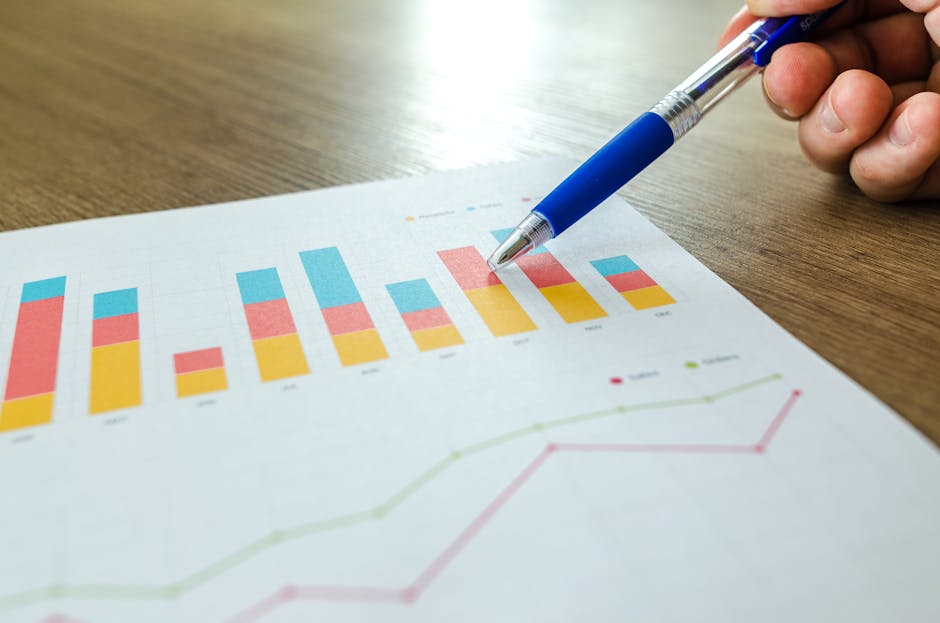
Photo by Lukas Blazek on Pexels
- To ensure the smooth and efficient distribution of goods and services.
- To maximize satisfaction for consumers by making products accessible.
- To facilitate economic development and growth by promoting trade.
3. Worked Example
Imagine you're a textile manufacturer in Surat, Gujarat, producing cotton shirts. Your goal is to sell these shirts to customers across India, say in Mumbai, Delhi, and even internationally in the USA.
Here's how commerce and its aids come into play:
- Production: You manufacture the shirts in Surat.
- Warehousing: You store the finished shirts in a warehouse in Surat until orders come in (removes hindrance of time).
- Wholesale Trade (Internal): A wholesaler from Mumbai orders a large quantity. You transport the shirts via truck (using transport to remove hindrance of place). The wholesaler pays you through a bank transfer (banking removes hindrance of finance).
- Retail Trade (Internal): The Mumbai wholesaler then sells smaller batches to various retail shops across Mumbai, who then sell directly to consumers.
- Export Trade (External): A buyer from the USA expresses interest. You engage a freight forwarding company for international transport (ship or air cargo) and get marine insurance for the goods during transit (removes hindrance of risk). Payment is arranged via a letter of credit through banks (banking removes hindrance of finance). You might also advertise your shirts online to reach international customers (removes hindrance of information).
- Entrepot Trade (Optional): If you imported special fabric from China to make these shirts, and then exported the finished shirts to the USA, that's part of the broader external trade involving multiple countries.
This entire chain, from manufacturing to getting the shirt to a customer's wardrobe, is commerce in action.
4. Key Takeaways
- Commerce facilitates the exchange of goods and services from producers to consumers.
- It includes both direct buying/selling (trade) and supportive activities (aids to trade).
- Trade can be internal (within a country) or external (between countries).
- Aids to trade like transport, warehousing, banking, insurance, and advertising remove various "hindrances" (place, time, finance, risk, information).
- Commerce is crucial for satisfying human wants and fostering economic development.
- Your IP subject can help with e-commerce aspects like online advertising and data management in these processes.
Common Mistakes to Avoid:
- Confusing "business" with "commerce"; business is broader, commerce is a part of it.
- Underestimating the importance of aids to trade; they are essential, not optional.
- Not understanding the difference between wholesale and retail trade.
- Mixing up import, export, and entrepot trade.
5. Now Try It
Take any common product you use daily, like your phone or a packet of biscuits. Spend 15 minutes thinking about and listing all the commerce activities (trade and aids to trade) that were involved in getting that product from its origin to your hands. Think about where it was made, how it traveled, who financed it, how it was stored, and how you came to know about it.
Frequently asked about Introduction to Commerce and Foundational Concepts
Study this next
Get the full i am in 11 cbse commerce with ip , accounts, business studies,economics and multi media curriculum
Clone the complete plan to your dashboard for unlimited AI-generated notes, practice quizzes, and a personalised revision schedule.
Save this course free