Crop Production and Management & Microorganisms
From the science cbse grade 8 curriculum
TL;DR
Crop production involves a series of planned steps to grow food plants efficiently, ensuring we have enough to eat. Microorganisms are tiny living things, some helpful like those in yogurt, and others harmful like those causing diseases. Understanding both helps us manage food supply and stay healthy.
1. The Mental Model
Think of farming as a project with many steps, like preparing the ground, planting, and harvesting, all aimed at getting a good yield. Microbes are like invisible tiny creatures, some are our friends helping with digestion or making bread, while others are enemies causing sickness.
2. The Core Material
Crop Production and Management
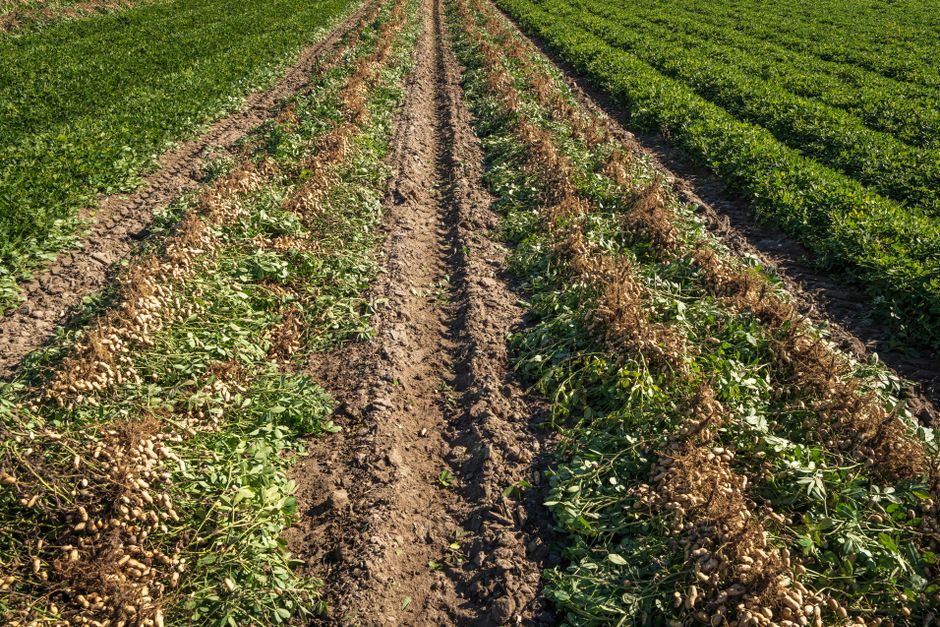
Photo by Mark Stebnicki on Pexels
Growing crops isn't just about throwing seeds on the ground; it's a careful process to get the best harvest.
-
Preparation of Soil: This is the first step. You need to loosen and turn the soil, which helps aeration (air gets in) and water absorption. It also brings nutrient-rich soil to the top.
- Ploughing/Tilling: Loosens the soil.
- Levelling: Makes the field even for uniform irrigation.
- Manuring: Adding manure (organic matter) to enrich the soil.
-
Sowing: Planting seeds. You need to choose good quality seeds and plant them at the right depth and spacing.
- Broadcasting: Scattering seeds manually.
- Seed Drill: A machine that sows seeds uniformly at proper depth and distance.
-
Adding Manure and Fertilizers: These provide nutrients for healthy plant growth.
- Manure: Natural organic substances (e.g., cow dung, compost). Improves soil structure and water retention.
- Fertilizers: Chemical substances rich in specific nutrients (e.g., NPK – Nitrogen, Phosphorus, Potassium). Provides quick nutrients but can harm soil with overuse.
-
Irrigation: Supplying water to crops at regular intervals. The timing and amount depend on the crop, soil, and season.
- Traditional methods: Moat (pulley system), Chain pump, Dhekli, Rahat (lever system).
- Modern methods: Sprinkler system (useful for uneven land), Drip system (water directly at the roots, very efficient).
-
Protection from Weeds: Weeds are unwanted plants that grow alongside crops and compete for water, nutrients, light, and space.
- Weeding: Manual removal.
- Trowel/Harrow: Tools for removing weeds.
- Weeding chemicals (Weedicides): Sprayed to kill weeds (e.g., 2,4-D).
-
Harvesting: Cutting and gathering the matured crop.
- Manual: Using a sickle.
- Mechanical: Using a harvester.
- Threshing: Separating grain from chaff.
- Winnowing: Separating grain from chaff by wind.
-
Storage: Protecting harvested grains from moisture, insects, rats, and microorganisms.
- Small scale: Jute bags, metallic bins.
- Large scale: Granaries, silos.
- Drying: Essential before storage to prevent microbial growth.
Microorganisms: Friends and Foes
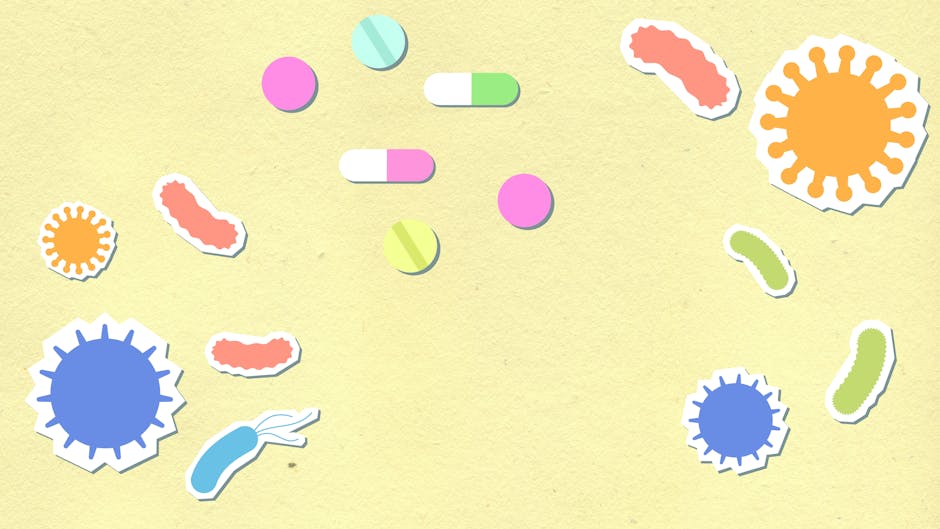
Photo by Monstera Production on Pexels
Microorganisms (microbes) are tiny living organisms that can only be seen with a microscope. They exist all around us and play many roles.
- Bacteria: Single-celled. Can be rod-shaped, spiral, or spherical. Some cause disease, others are beneficial (e.g., Lactobacillus in curd).
- Fungi: Multicellular (like mushrooms) or unicellular (like yeast). Some are edible, some cause diseases, and some spoil food.
- Protozoa: Single-celled. Some cause diseases (e.g., Plasmodium causing malaria).
- Algae: Mostly aquatic. Can be single-celled or multicellular. Photosynthetic.
- Viruses: Unique, as they only reproduce inside host organisms. They cause diseases like flu, polio, and chickenpox.
graph TD
    A["Microorganism Category"] --> B["Bacteria"]
    A --> C["Fungi"]
    A --> D["Protozoa"]
    A --> E["Algae"]
    A --> F["Viruses"]

    B --> B1["Beneficial (e.g., Lactobacillus)"]
    B --> B2["Harmful (e.g., Salmonella)"]

    C --> C1["Beneficial (e.g., Yeast for bread)"]
    C --> C2["Harmful (e.g., Ringworm, Food spoilage)"]

    D --> D1["Harmful (e.g., Plasmodium for Malaria)"]

    E --> E1["Beneficial (Photosynthesis, food source)"]

    F --> F1["Always Harmful (e.g., Flu, Polio)"]
Useful Microorganisms

Photo by Monstera Production on Pexels
- Curd making: Lactobacillus bacteria convert milk into curd.
- Bread making: Yeast (a fungus) helps bread rise by producing carbon dioxide during fermentation.
- Alcohol production: Yeast ferments sugars into alcohol.
- Medicinal use:
- Antibiotics: Medicines that kill or stop the growth of disease-causing microorganisms (e.g., Penicillin from Penicillium fungus).
- Vaccines: Weakened or dead microbes introduced into the body to build immunity against specific diseases.
- Increasing soil fertility: Nitrogen-fixing bacteria (e.g., Rhizobium in legume roots) convert atmospheric nitrogen into usable compounds for plants.
- Cleaning the environment: Decompose organic waste, returning nutrients to the soil.
Harmful Microorganisms

Photo by turek on Pexels
- Disease-causing microbes (Pathogens):
- In humans: Common cold (virus), Tuberculosis (bacteria), Malaria (protozoa), Typhoid (bacteria), Ringworm (fungi).
- In animals: Anthrax (bacteria), Foot and mouth disease (virus).
- In plants: Citrus canker (bacteria), Rust of wheat (fungi), Yellow vein mosaic of okra (virus).
- Food poisoning: Caused by microbes growing on food and producing toxic substances.
- Food spoilage: Microbes make food inedible (e.g., mold on bread, sour milk).
Food Preservation
Methods to prevent food spoilage by microbes:
- Chemical methods: Adding salt, sugar, oil, vinegar, or chemical preservatives (e.g., sodium benzoate).
- Heat and cold treatments:
- Boiling: Kills many microbes.
- Pasteurization: Heating milk to about 70°C for 15-30 seconds and then rapidly cooling it to kill most bacteria (e.g., pasteurized milk).
- Refrigeration/Freezing: Slows down microbial growth.
- Storage and packing: Storing in airtight containers or vacuum-sealed packs.
Nitrogen Cycle
The nitrogen cycle describes how nitrogen moves between the atmosphere, soil, and living organisms. Nitrogen-fixing bacteria play a crucial role in converting atmospheric nitrogen into forms plants can use.
3. Worked Example
Let's consider how we manage a wheat crop from start to finish.
- Preparation: First, you'd plough the field to loosen the soil, then level it, and maybe add some cow dung manure to enrich it.
- Sowing: You'd use a seed drill to plant high-quality wheat seeds uniformly at the correct depth.
- Manure/Fertilizers: As the plants grow, you'd add NPK fertilizer to boost growth.
- Irrigation: You'd irrigate the field using a sprinkler system, ensuring even water distribution without overwatering.
- Weeding: You'd identify weeds like wild oats and either remove them manually or spray a weedicide like 2,4-D.
- Harvesting: Once the wheat turns golden, you'd use a harvester to cut the crop, which also threshes the grain from the stalks.
- Storage: The harvested wheat grains would be thoroughly dried in the sun to remove moisture, and then stored in large silos, protected from pests.
Now, imagine during storage, if the wheat wasn't dried properly, tiny fungi could grow on it, spoiling the grains and even producing harmful toxins, leading to food poisoning if consumed. This highlights why proper storage is critical in managing crops.
4. Key Takeaways
- Crop production involves a sequence of essential agricultural practices like soil preparation, sowing, irrigation, and storage.
- Manure improves soil quality naturally, while fertilizers provide specific nutrients quickly but can have environmental downsides.
- Irrigation methods vary, with modern techniques like drip and sprinkler systems saving water.
- Weeds compete with crops, reducing yield, and must be controlled using various methods.
- Microorganisms are diverse; some are vital for processes like curd formation and soil fertility, while others cause diseases and food spoilage.
- Food preservation techniques like pasteurization, salting, and refrigeration help prevent microbial growth and extend food shelf life.
- The nitrogen cycle demonstrates how nitrogen, an essential element, is recycled in nature, with microbes playing a key role.
Common mistakes you should avoid:
- Confusing manure with fertilizers; they are different in composition and action.
- Not understanding that viruses are distinct from bacteria, fungi, etc., as they only reproduce inside living cells.
- Ignoring proper drying of grains before storage, which can lead to significant post-harvest losses due to microbes.
- Underestimating the importance of crop rotation or fallow periods in maintaining soil fertility.
5. Now Try It
Think about your favourite fruit or vegetable. Research how it's typically grown, focusing on the steps from preparing the soil to harvesting. Then, identify one common pest or disease that affects it and research whether it's caused by a microorganism (bacteria, fungus, virus) or an insect. Describe one method used to manage that specific pest or disease.
What success looks like: You can clearly list the main stages of growing your chosen crop, identify a specific microbial pest/disease associated with it, and explain a practical management technique.
Frequently asked about Crop Production and Management & Microorganisms
Study this next
Get the full science cbse grade 8 curriculum
Clone the complete plan to your dashboard for unlimited AI-generated notes, practice quizzes, and a personalised revision schedule.
Create Free Account