Occurrence of Carbon and Allotropy
From the CBSE Chemistry carbon and its compounds until chains, branches and rings[excluding it] curriculum
Occurrence of Carbon and Allotropy
TL;DR
Carbon is a versatile element found everywhere, from the air you breathe to living things. It exists in two main forms: a combined state, mixed with other elements, and a free state, as pure carbon. These pure forms, called allotropes, have different structures and properties despite being made of the same carbon atoms.
1. The Mental Model
Think of carbon as LEGO bricks. You can find these bricks already built into complex structures (combined state) or as individual bricks, but arranged in different ways to make completely different-looking things (allotropes in the free state). It's the same base material, just organized differently.
2. The Core Material
You know carbon is super important, right? It's the backbone of all life on Earth! But where do we find it, and what forms does it take?
Carbon occurs in two main ways:
- Free State: This is when carbon exists as pure elemental carbon, not bonded to other elements.
- Combined State: This is when carbon is bonded with other elements to form compounds.
Let's break down where you find it in each state:
2.1 Carbon in the Combined State
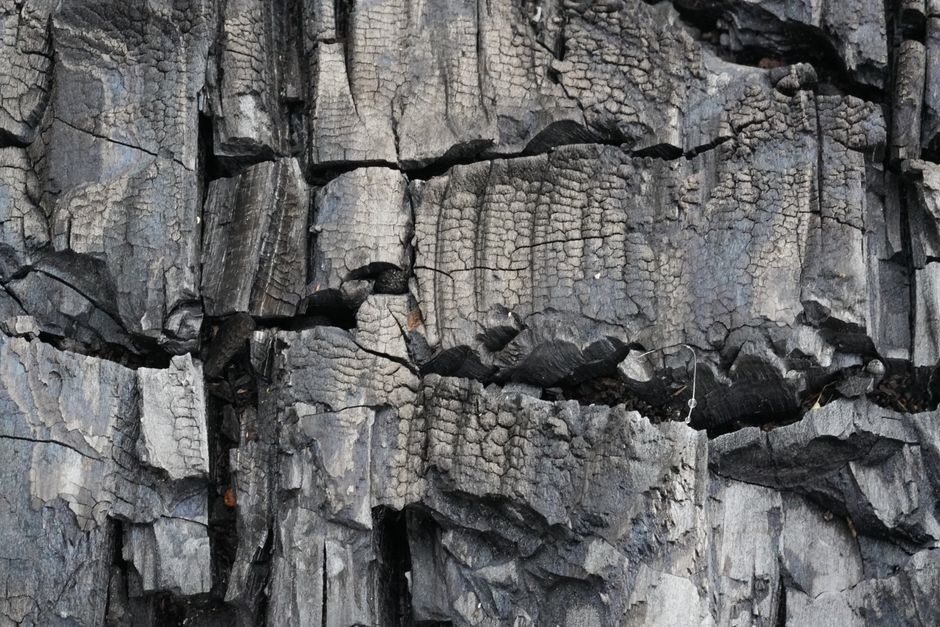
Photo by Eve R on Pexels
Most of the carbon around you is in its combined state. Here are some key examples:
- In the atmosphere: Carbon dioxide (CO2) is a major greenhouse gas and is essential for photosynthesis.
- In Earth's crust: You'll find it as carbonates like limestone (calcium carbonate, CaCO3) and dolomite. It's also in fossil fuels like coal, petroleum, and natural gas, which are formed from ancient organic matter.
- In living organisms: Carbon is the fundamental building block of all organic compounds. Your body, plants, animals – they're all made of carbon compounds like carbohydrates, proteins, fats, and vitamins.
2.2 Carbon in the Free State (Allotropes)
Photo by Eve R on Pexels
This is where things get really interesting! When carbon is in its free state, it can arrange its atoms in different ways, leading to materials with totally different properties. These different structural forms of the same element are called allotropes.
The main allotropes of carbon you'll encounter are diamond, graphite, and fullerenes.
Diamond
- Structure: Each carbon atom is bonded to four other carbon atoms in a rigid, 3D tetrahedral structure. This forms a giant covalent lattice.
- Properties: It's the hardest known natural substance, has a very high melting point, is a poor conductor of electricity (no free electrons), and is transparent.
- Uses: Used in cutting tools, drills, and as gemstones.
Graphite
- Structure: Each carbon atom is bonded to three other carbon atoms in flat, hexagonal rings. These rings form layers that are stacked on top of each other. The layers are held together by weak van der Waals forces.
- Properties: It's soft and slippery (layers can slide over each other), a good conductor of electricity (due to delocalized electrons within the layers), has a high melting point, and is opaque.
- Uses: Used in pencil leads, lubricants, and electrodes.
Fullerenes
- Structure: These are spherical or cylindrical molecules made entirely of carbon atoms, forming hollow cages. The most famous is Buckminsterfullerene (C60), which looks like a soccer ball.
- Properties: They are usually dark solids, have unique electronic and chemical properties.
- Uses: Research is ongoing for their use in superconductors, drug delivery, and nanotechnology.
Here's a simple diagram to show how these free states relate to carbon:
graph TD
    A["Carbon"] --> B["Free State (Allotropes)"]
    A --> C["Combined State"]

    B --> D["Diamond (Tetrahedral lattice)"]
    B --> E["Graphite (Layered hexagons)"]
    B --> F["Fullerenes (Hollow cages)"]

    C --> G["CO₂ (Atmosphere)"]
    C --> H["Carbonates (Earth's crust)"]
    C --> I["Fossil Fuels (Coal, Petroleum)"]
    C --> J["Organic Compounds (Living things)"]
3. Worked Example
Imagine you find two unknown black solids. When you try to scratch them with a knife, one scratches easily, leaving a black mark, while the other doesn't scratch at all. When you connect them to a battery with a small bulb, the bulb lights up with the first solid but not with the second.
Based on what you've learned:
- The solid that scratches easily and conducts electricity is graphite. Its layered structure allows layers to slide, making it soft, and it has free electrons to conduct electricity.
- The solid that doesn't scratch and doesn't conduct electricity is diamond. Its rigid 3D structure makes it incredibly hard, and all its electrons are locked in bonds, so none are free to conduct.
4. Key Takeaways
- Carbon exists in nature in both free (elemental) and combined (compound) states.
- The combined state includes carbon dioxide, carbonates, fossil fuels, and all organic compounds.
- The free state primarily consists of allotropes, which are different structural forms of the same element.
- Diamond, graphite, and fullerenes are the main allotropes of carbon.
- Diamond is extremely hard and doesn't conduct electricity due to its rigid 3D tetrahedral structure.
- Graphite is soft, slippery, and conducts electricity because of its layered structure with delocalized electrons.
- Fullerenes are hollow, caged molecules with unique properties, like C60 (Buckminsterfullerene).
Common Mistakes to Avoid:
- Don't confuse allotropes with isotopes; allotropes have different structures, isotopes have different numbers of neutrons.
- Remember that diamond and graphite are both pure carbon, despite their vastly different appearances and properties.
- Don't assume all carbon forms conduct electricity; only graphite does among the common allotropes.
- Misunderstanding that combined carbon is just as important and widespread as free carbon.
5. Now Try It
Think about why you shouldn't use a diamond to write with like you would a pencil, and why you wouldn't want to use graphite as a cutting tool. Write down 2-3 sentences for each scenario, explaining your reasoning based on the properties and structures of these allotropes. What success looks like: You've correctly linked the specific property (hardness, conductivity, softness, etc.) to the specific structural feature (3D lattice, layered sheets, delocalized electrons).
Frequently asked about Occurrence of Carbon and Allotropy
Study this next
Get the full CBSE Chemistry carbon and its compounds until chains, branches and rings[excluding it] curriculum
Clone the complete plan to your dashboard for unlimited AI-generated notes, practice quizzes, and a personalised revision schedule.
Create Free Account