Introduction to Human Tissues
From the Sports Med Unit Two curriculum
TL;DR
Your body is built from four basic types of tissue: epithelial, connective, muscle, and nervous tissue. Each tissue type has a unique structure and function, working together to form organs and organ systems. Understanding these tissues helps you grasp how your body moves, repairs itself, and responds to injury in sports.
1. The Mental Model
Think of your body as a house. Tissues are like the fundamental building materials—bricks, wood, wires, and pipes. Each material has a specific job and structure, and they're all essential for the house to function.
2. The Core Material
Your body has four primary tissue types, each with specific roles:
Epithelial Tissue (Epithelium)
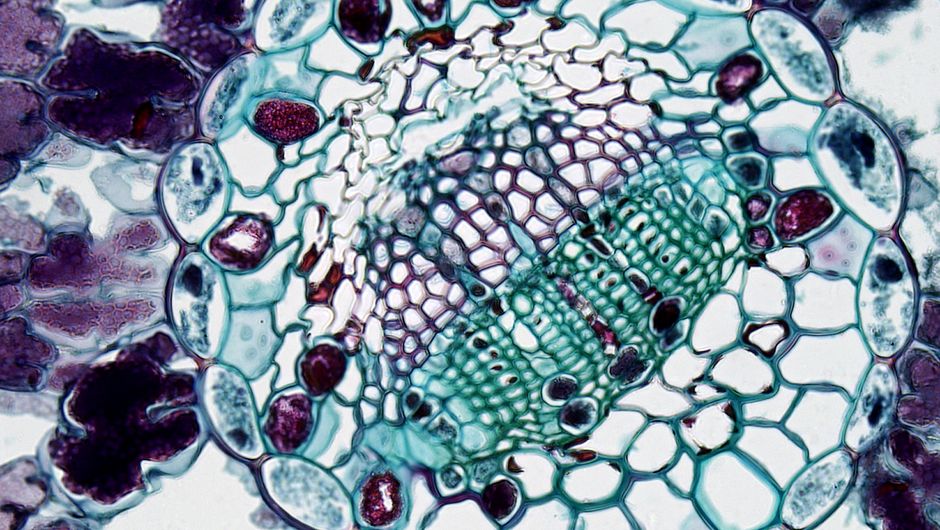
Photo by Fayette Reynolds M.S. on Pexels
This tissue forms linings and coverings. It's found on the surface of your skin, lining your digestive tract, and forming glands. Its main jobs are protection, secretion (like sweat or hormones), absorption (like nutrients in your gut), and filtration. Epithelial cells are tightly packed together, often forming sheets.
Connective Tissue

Photo by https://kaboompics.com/ on Pexels
As the name suggests, this tissue connects, supports, binds, and protects other tissues and organs. It's the most abundant tissue type and includes a wide variety of tissues like bone, cartilage, blood, tendons, ligaments, and fat. Connective tissues typically have cells scattered within an extracellular matrix (a non-living material made of protein fibers and ground substance).
Muscle Tissue
Photo by https://kaboompics.com/ on Pexels
This tissue is specialized for contraction, which generates force and causes movement. There are three types of muscle tissue:
* Skeletal muscle: Attached to bones, responsible for voluntary movement (what you consciously control, like lifting a weight).
* Cardiac muscle: Found only in the heart, responsible for pumping blood (involuntary).
* Smooth muscle: Found in the walls of internal organs like the stomach, intestines, and blood vessels, responsible for involuntary movements (like moving food through your digestive tract).
Nervous Tissue
Photo by https://kaboompics.com/ on Pexels
This tissue forms your brain, spinal cord, and nerves. Its primary role is to transmit electrical signals (nerve impulses) throughout the body, allowing for communication, coordination, and control of bodily functions. It's made up of neurons (nerve cells) and supporting glial cells.
Here's how these tissues relate to each other:
graph LR
    A["Epithelial Tissue (Lining/Covering)"] --> B["Protection, Secretion, Absorption"]
    C["Connective Tissue (Support/Bind)"] --> D["Bone, Cartilage, Blood, Tendons, Ligaments"]
    E["Muscle Tissue (Movement)"] --> F["Skeletal, Cardiac, Smooth"]
    G["Nervous Tissue (Communication)"] --> H["Brain, Spinal Cord, Nerves"]
    B --> I["Form Glands"]
    D --> J["Provides Structure/Support"]
    F --> K["Generates Force"]
    H --> L["Transmits Signals"]
    I & J & K & L --> M["Work Together in Organs & Systems"]
3. Worked Example
Imagine you're trying to perform a bicep curl.
* Your nervous tissue (brain and spinal cord) sends electrical signals down your nerves to your bicep muscle.
* Your skeletal muscle tissue in your bicep receives these signals and contracts, pulling on the tendon.
* The connective tissue of the tendon, which connects the muscle to the bone, transmits this force.
* Your connective tissue (bone) provides the rigid framework for the muscle to pull against.
* Your epithelial tissue (skin) covers and protects the entire arm from the outside world.
4. Key Takeaways
- Your body has four main tissue types: epithelial, connective, muscle, and nervous.
- Each tissue type has a distinct structure and primary function.
- Epithelial tissue protects, secretes, and absorbs, forming coverings and linings.
- Connective tissue supports, binds, and protects, including bones, blood, and tendons.
- Muscle tissue is responsible for movement through contraction.
- Nervous tissue transmits electrical signals for communication and control.
- These tissues don't work in isolation; they integrate to form organs and systems.
Common Mistakes to Avoid
- Confusing the function of epithelial tissue (linings/coverings) with connective tissue (support/binding).
- Forgetting that blood is a type of connective tissue.
- Mixing up the three types of muscle tissue and their voluntary/involuntary control.
- Underestimating the diverse roles of connective tissue beyond just "connecting things."
5. Now Try It
Take 15 minutes to identify one major organ in your body (e.g., the stomach, a bone, your heart) and describe how all four tissue types contribute to its structure and function. For example, for the stomach, think about its lining, the muscle layers that churn food, the nerves that control digestion, and the connective tissue that holds it all together. Success looks like accurately assigning at least one specific role for each of the four tissue types within your chosen organ.
Frequently asked about Introduction to Human Tissues
More from Sports Med Unit Two
Get the full Sports Med Unit Two curriculum
Clone the complete plan to your dashboard for unlimited AI-generated notes, practice quizzes, and a personalised revision schedule.
Save this course free