Japan's Pre-Modern State and Isolation
From the World history AICE curriculum
TL;DR
Japan developed a distinct pre-modern state structure, centered around the Emperor and powerful shoguns, which led to a period of deliberate isolation from the outside world. This isolation, known as Sakoku, profoundly shaped Japanese society, culture, and internal stability for over two centuries. Understanding this period is crucial for grasping Japan's later rapid modernization and its unique national identity.
1. The Mental Model
Imagine Japan as a highly organized but self-contained island nation, deliberately shutting its doors to most foreign contact to maintain internal order and cultural purity. This decision profoundly influenced its society for centuries.
2. The Core Material
Japan's pre-modern history, leading up to its period of isolation, is characterized by a unique dual power structure and the rise of a powerful warrior class.
The Emperor and the Shogun

Photo by Vinny Anugraha on Pexels
While the Emperor was seen as the divine and symbolic head of Japan, real political and military power largely rested with the Shogun. The Shogun was essentially a military dictator. This system, known as a shogunate, began in the late 12th century and lasted until the mid-19th century. Various shogunate dynasties held power, with the Tokugawa Shogunate (1603-1868) being the most significant in establishing and enforcing isolation.
The Feudal System
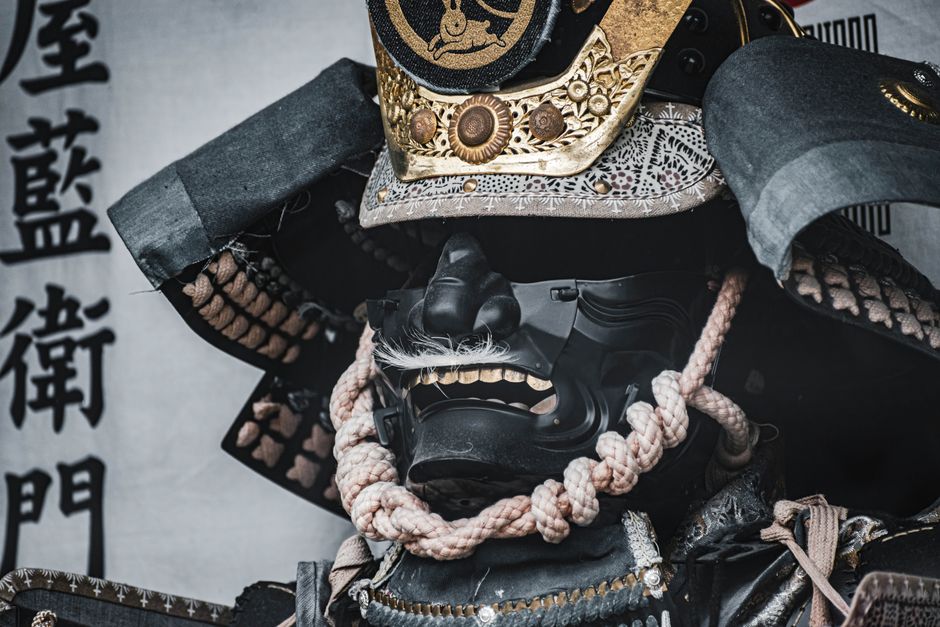
Photo by Karolina on Pexels
Below the Shogun were powerful regional lords called daimyo, who controlled their own domains and maintained samurai warrior retainers. This was a classic feudal system:
* Emperor: Symbolic, religious authority.
* Shogun: Military ruler, political power.
* Daimyo: Regional lords, controlled land and samurai.
* Samurai: Warrior class, served daimyo, upheld a strict code of honor (Bushido).
* Peasants/Artisans/Merchants: The majority of the population, supporting the system.
This hierarchical structure, with the Shogun at the apex of military and political control, was key to enforcing national policies, including isolation.
The Reasons for Isolation (Sakoku)

Photo by Thirdman on Pexels
The Tokugawa Shogunate implemented a policy called Sakoku (鎖国, "closed country") from the 1630s. Several factors led to this decision:
- Fear of Foreign Influence: The Shogunate saw the spread of Christianity (introduced by European missionaries) as a threat to its authority and to traditional Japanese beliefs.
- Maintaining Internal Stability: Foreign trade and ideas could potentially destabilize the existing feudal order and empower ambitious daimyo.
- Control over Trade: Limiting foreign contact allowed the Shogunate to control lucrative trade routes and prevent other daimyo from gaining too much wealth and power through external connections.
The Effects of Isolation

Photo by Mahdi Bafande on Pexels
Sakoku wasn't absolute. Limited trade continued with China, Korea, and the Dutch (only at Nagasaki). However, it had profound effects:
- Cultural Preservation: Japanese culture, art, and traditions flourished without significant external influence.
- Internal Development: Resources were focused internally, leading to advancements in agriculture and some industries.
- Stagnation in some areas: Japan fell behind Western technological and scientific developments, particularly in military technology.
- Peace and Stability: The long period of isolation brought relative peace after centuries of internal warfare.
Here's how the decision-making process for Sakoku generally unfolded:
graph TD
    A["Shogun and Advisors Observe Trends"] --> B{"Is Christian/Foreign Influence a Threat?"}
    B -- Yes --> C["Persecution of Christians (e.g., Shimabara Rebellion)"]
    C --> D["Issuance of Edicts (e.g., 1635, 1639)"]
    D --> E["Enforcement of Sakoku Policy"]
    E --> F["Limited Foreign Contact (Dutch, Chinese, Korean via specific ports)"]
    F --> G["Internal Stability and Cultural Uniqueness"]
    B -- No / Managed --> G
3. Worked Example
Let's look at the Edict of 1635, a critical document in establishing Sakoku.
The edict stated: "No Japanese ship may leave for a foreign country. No Japanese national may go abroad. If any Japanese tries to go abroad secretly, he will be killed. The return of Japanese from overseas is also strictly forbidden."
This quote directly illustrates the Shogunate's absolute control and its determination to prevent any Japanese citizen from engaging with the outside world. It also highlights the severe penalties for disobedience, underscoring the seriousness of the isolation policy. This wasn't merely discouraging travel; it was a life-or-death prohibition.
4. Key Takeaways
- Japan's pre-modern state had a dual power structure: a symbolic Emperor and a politically powerful Shogun.
- The Tokugawa Shogunate established a feudal system with daimyo and samurai, ensuring internal control.
- Sakoku (closed country policy) was implemented primarily to prevent foreign (especially Christian) influence and maintain internal stability.
- Isolation largely protected Japanese culture and brought internal peace but led to technological stagnation compared to the West.
- Limited trade continued with specific countries at specific ports during Sakoku, proving it wasn't absolute.
Common Mistakes to Avoid:
- Don't confuse the Emperor's symbolic role with the Shogun's actual political power.
- Don't assume Sakoku meant zero foreign contact; limited trade existed.
- Don't think Japan was technologically primitive during isolation; it simply didn't advance relative to the West in certain fields.
- Don't overlook the reasons for isolation; it wasn't a random decision.
5. Now Try It
Imagine you are a Tokugawa Shogunate advisor in the early 17th century. Draft a short, concise paragraph (4-5 sentences) explaining to the Shogun why continuing to allow unrestricted foreign trade and missionary activity is dangerous and why implementing stricter controls (leading to Sakoku) is in Japan's best interest. Focus on threats to stability and traditional values.
What success looks like: Your paragraph clearly identifies specific threats (e.g., religious conversion, disloyal daimyo, foreign ideologies) and links them to the need for a closed-country policy to protect the Shogunate's authority and Japan's unique identity.
Frequently asked about Japan's Pre-Modern State and Isolation
Study this next
Get the full World history AICE curriculum
Clone the complete plan to your dashboard for unlimited AI-generated notes, practice quizzes, and a personalised revision schedule.
Save this course free