Scientific and Technical Innovation in Energy
From the science curriculum
TL;DR
Scientific and technical innovations are crucial for developing sustainable and efficient energy systems to meet global demands and combat climate change. These innovations often focus on improving existing energy sources, like renewables, and exploring entirely new methods of energy generation, storage, and distribution. Understanding these advancements helps us prepare for a future powered by cleaner, more reliable energy.
1. The Mental Model
Think of energy innovation like upgrading your phone. You're constantly looking for better battery life, faster processing, and new features. In energy, we're doing the same but on a massive scale: finding new "batteries" (storage), making "processors" (generation) more efficient, and developing "apps" (distribution systems) that are smarter and cleaner.
2. The Core Material
Scientific and technical innovation in energy involves creating new knowledge and applying it to solve real-world energy problems. This covers everything from fundamental research into materials science and physics to engineering new power plants, batteries, and smart grids. The main goals are to increase efficiency, reduce environmental impact, improve energy security, and lower costs.
Drivers of Innovation
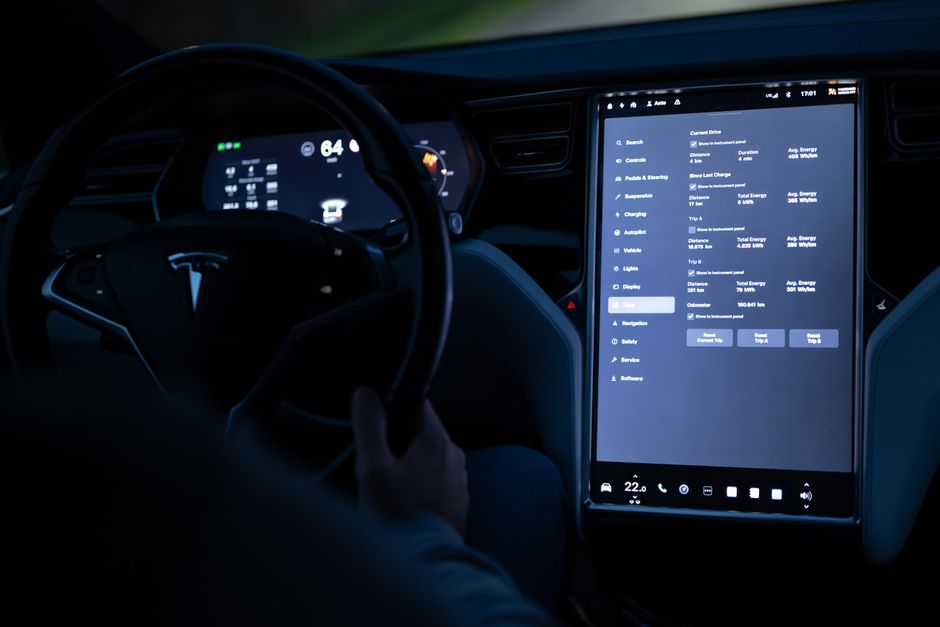
Photo by Vladimir Srajber on Pexels
Several factors push for energy innovation:
* Climate Change: The urgent need to reduce greenhouse gas emissions drives the development of renewable energy and carbon capture technologies.
* Energy Security: Countries want reliable and diverse energy sources to avoid dependence on volatile international markets.
* Economic Competitiveness: Developing new energy technologies can create jobs and new industries.
* Population Growth and Development: As the global population grows and more regions develop, energy demand increases, requiring more efficient and accessible solutions.
Key Areas of Innovation

Photo by Matheus Bertelli on Pexels
Innovation is happening across the entire energy value chain:
2.1. Energy Generation
This area focuses on how we produce electricity and heat.
* Renewable Energy: Significant advancements in solar photovoltaics (PV), wind turbines, geothermal, and hydropower make them more efficient, cost-effective, and reliable. For instance, solar cells are becoming thinner, more flexible, and can capture a broader spectrum of light. Wind turbines are getting larger and more sophisticated, with better materials and control systems to maximize energy capture.
* Nuclear Energy: Innovation in nuclear fission includes small modular reactors (SMRs) which are safer, cheaper, and quicker to build than traditional large reactors. Nuclear fusion, while still experimental, holds the promise of nearly limitless clean energy if commercialized.
* Fossil Fuels (with mitigation): While the long-term goal is to move away from fossil fuels, innovations like carbon capture, utilization, and storage (CCUS) aim to reduce the environmental impact of existing power plants.
2.2. Energy Storage
Storing energy is critical, especially for intermittent renewables like solar and wind.
* Batteries: Lithium-ion batteries continue to improve in energy density, lifespan, and cost. Research into next-generation batteries like solid-state, flow, and metal-air batteries promises even greater performance and safety.
* Hydrogen: Green hydrogen, produced via electrolysis using renewable electricity, can be stored and used as a fuel or feedstock. Innovations focus on more efficient electrolyzers and better storage methods.
* Thermal Storage: Storing heat or cold, often using molten salts or phase-change materials, can be used to balance energy supply and demand, especially in industrial processes or concentrated solar power plants.
2.3. Energy Distribution and Management (Smart Grids)
Innovations here make our energy networks more efficient, resilient, and responsive.
* Smart Grids: These integrate digital communication technology to monitor, control, and manage electricity generation, transmission, and distribution. They allow for two-way communication between utilities and consumers, enabling better demand response, fault detection, and integration of distributed energy resources (like rooftop solar).
* Artificial Intelligence (AI) and Machine Learning (ML): These are used for predicting energy demand, optimizing grid operations, and managing renewable energy intermittency.
* Blockchain: Explored for secure and transparent energy trading in localized microgrids.
Here's a simplified view of how these areas connect:
graph TD
    A["Need for Sustainable Energy"] --> B["Innovation Drivers"];
    B --> C["Energy Generation Innovation"];
    B --> D["Energy Storage Innovation"];
    B --> E["Energy Distribution & Management Innovation"];

    C --> C1["Solar PV & Wind Improvements"];
    C --> C2["SMRs & Fusion Research"];
    C --> C3["Carbon Capture (Fossil)"];

    D --> D1["Advanced Batteries (Li-ion, Solid-state)"];
    D --> D2["Green Hydrogen Production & Storage"];
    D --> D3["Thermal Energy Storage"];

    E --> E1["Smart Grids (AI/ML)"];
    E --> E2["Demand Response Systems"];
    E --> E3["Microgrids & Decentralization"];

    C1 & D1 & E1 --> F["Integrated Clean Energy System"];
    C2 & D2 & E2 --> F;
    C3 & D3 & E3 --> F;
    F --> G["Reduced Emissions & Energy Security"];
3. Worked Example
Let's look at the innovation in solar panel efficiency.
Historically, silicon solar panels had a practical efficiency limit around 15-20%. This meant a lot of sunlight wasn't converted into electricity.
A significant innovation was the PERC (Passivated Emitter Rear Cell) technology.
1. Problem: Standard solar cells absorb light on the front, but some light passes through the silicon without generating electrons, and some electrons are lost at the rear surface.
2. Innovation: PERC cells add a thin passivation layer on the rear surface of the silicon wafer, often made of aluminum oxide. This layer effectively reflects unabsorbed light back into the silicon cell, giving it a second chance to be absorbed. It also reduces electron recombination losses at the rear surface.
3. Result: This seemingly small technical addition significantly increased commercial solar panel efficiency to 20-22% and even higher, leading to more power from the same panel size and lower overall costs per watt. Further innovations like heterojunction (HJT) and TOPCon (Tunnel Oxide Passivated Contact) cells are building on this, pushing efficiencies even higher, sometimes exceeding 24% in mass production.
4. Key Takeaways
- Scientific innovation is vital for developing cleaner, more reliable, and affordable energy systems.
- Innovations span generation (renewables, nuclear), storage (batteries, hydrogen), and distribution (smart grids).
- Key drivers include climate change, energy security, and growing global energy demand.
- Advancements in materials science and digital technologies (AI/ML) are accelerating energy innovation.
- The shift to smart grids is making energy systems more responsive and able to integrate diverse sources.
Common Mistakes to Avoid:
- Don't assume that a single innovation will solve all energy problems; it's a combination of many.
- Don't overlook the importance of energy storage; it's crucial for balancing intermittent renewables.
- Don't forget that economic viability and scalability are just as important as technical feasibility for widespread adoption.
- Don't confuse "innovation" with "invention"; innovation is about successful implementation and impact.
5. Now Try It
Choose one specific energy technology discussed (e.g., solid-state batteries, small modular reactors, green hydrogen production). Spend 15 minutes researching a recent breakthrough or ongoing challenge in that area. What's the core scientific or technical principle behind this innovation, and what impact could it have on our energy future? Be ready to explain it simply.
Frequently asked about Scientific and Technical Innovation in Energy
Study this next
Get the full science curriculum
Clone the complete plan to your dashboard for unlimited AI-generated notes, practice quizzes, and a personalised revision schedule.
Save this course free