Integration and Control: Nervous and Endocrine Systems
From the Human Anatomy and Physiology curriculum
TL;DR
Your body uses two main communication systems – the nervous system and the endocrine system – to control and coordinate all its functions. While both aim to maintain homeostasis, they differ in their speed, duration, and methods of communication. Understanding how they work together is key to grasping how your body stays balanced.
1. The Mental Model
Think of your body's control systems like a company. The nervous system is like the immediate manager, sending quick messages for fast responses. The endocrine system is like HR, sending slower, longer-lasting directives through hormones.
2. The Core Material
Your body constantly needs to respond to changes, both internal and external. The nervous and endocrine systems are the master regulators that make this happen. They're both crucial for maintaining homeostasis, which is your body's ability to keep its internal environment stable.
The Nervous System: Fast, Specific, Short-Lived

Photo by Eyup Sayar on Pexels
The nervous system is built for speed. It uses electrical signals (nerve impulses) transmitted along specialized cells called neurons. These impulses travel quickly to specific target cells (like muscle cells or gland cells) and cause rapid, short-duration responses.
- Components: Brain, spinal cord, nerves, and sensory organs.
- Communication: Electrical impulses (action potentials) and chemical messengers (neurotransmitters) released at synapses.
- Speed: Very fast (milliseconds).
- Duration: Short-lived effects.
- Targets: Specific cells or organs.
- Examples: Reflexes, muscle contractions, sensory perception, conscious thought.
The Endocrine System: Slower, Widespread, Long-Lasting

Photo by Kindel Media on Pexels
The endocrine system works by releasing chemical messengers called hormones into the bloodstream. These hormones travel throughout the body and only affect cells that have specific receptors for them. Its responses are generally slower to start but can have effects that last for minutes, hours, or even days.
- Components: Endocrine glands (e.g., pituitary, thyroid, adrenal, pancreas, gonads) and hormone-producing tissues.
- Communication: Hormones secreted into the blood.
- Speed: Slower (seconds to days).
- Duration: Long-lasting effects.
- Targets: Widespread cells with specific receptors.
- Examples: Growth, metabolism, reproduction, stress response, blood sugar regulation.
How They Interact (Neuroendocrine System)
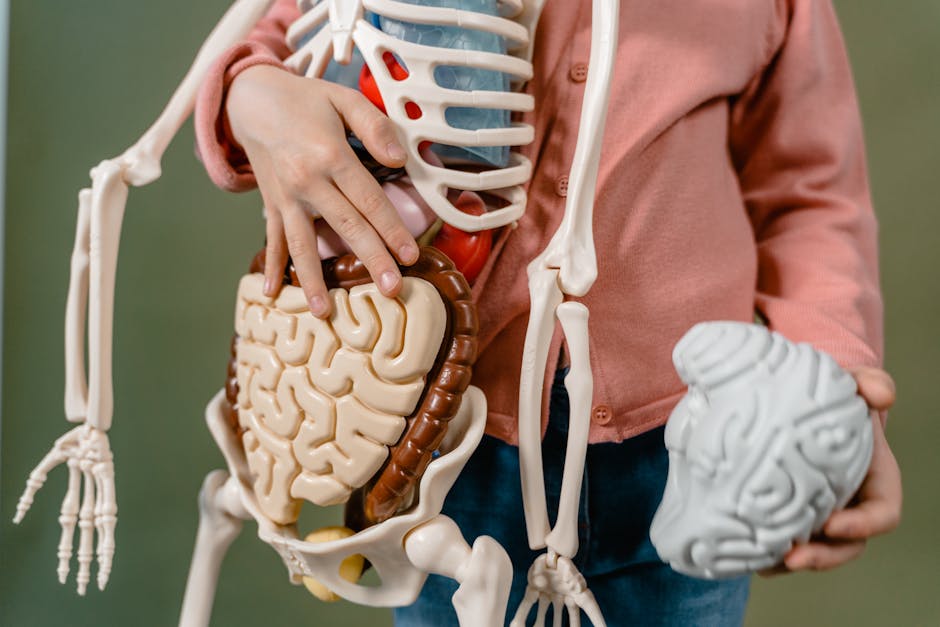
Photo by MART PRODUCTION on Pexels
It's not an "either/or" situation; these systems often work together. The hypothalamus in the brain is a prime example of this integration. It's part of the nervous system but also controls the pituitary gland, a major endocrine gland, effectively linking the two. This is called the neuroendocrine system. Many functions require both:
- Stress Response: The nervous system triggers immediate "fight or flight" (adrenaline), while the endocrine system releases longer-acting stress hormones (cortisol).
- Reproduction: Nervous system initiates sexual behavior, while endocrine hormones regulate cycles and development.
graph TD
    A["Stimulus (e.g., threat, change in blood sugar)"] --> B{Brain/Spinal Cord or Endocrine Gland};

    B --> C{Nervous System Pathway};
    B --> D{Endocrine System Pathway};

    C --> C1["Electrical Signal (Nerve Impulse)"];
    C1 --> C2["Neurotransmitter Release"];
    C2 --> C3["Target Cell/Organ (e.g., Muscle, Gland)"];
    C3 --> C4["Rapid, Short-Lived Response"];

    D --> D1["Hormone Secretion into Blood"];
    D1 --> D2["Travels through Bloodstream"];
    D2 --> D3["Target Cell/Organ with Receptors"];
    D3 --> D4["Slower, Long-Lasting Response"];

    C4 & D4 --> E["Homeostasis Achieved/Maintained"];

    style C fill:#ccf,stroke:#333,stroke-width:2px;
    style D fill:#cff,stroke:#333,stroke-width:2px;
3. Worked Example
Let's consider how your body responds to low blood glucose (sugar).
- Stimulus: You haven't eaten for a while, and your blood glucose levels start to drop.
- Detection: Specialized cells in the pancreas (endocrine gland) detect this drop.
- Endocrine Response: The pancreas releases the hormone glucagon into the bloodstream. Glucagon travels to the liver.
- Endocrine Effect: In the liver, glucagon stimulates the breakdown of stored glycogen into glucose, releasing glucose into the blood. This is a relatively slow process, taking minutes.
- Nervous System Contribution: If blood glucose drops severely, your nervous system also kicks in. The adrenal glands (under nervous system control and endocrine function) can release epinephrine (adrenaline), which also promotes glucose release from the liver and increases heart rate, preparing your body for immediate action. This is a much faster, "emergency" response.
- Outcome: Blood glucose levels return to normal (homeostasis). The endocrine system provides the primary, sustained regulation, while the nervous system provides a rapid backup if needed.
4. Key Takeaways
- The nervous system uses electrical signals for fast, specific, and short-duration control.
- The endocrine system uses hormones in the blood for slower, widespread, and long-lasting effects.
- Both systems are essential for maintaining homeostasis, your body's internal balance.
- The hypothalamus is a key link, connecting nervous and endocrine functions.
- Many bodily functions involve the integrated action of both systems, known as the neuroendocrine system.
- The choice of system depends on whether a quick, localized response or a prolonged, widespread effect is needed.
Common mistakes you should avoid:
- Confusing neurotransmitters (nervous) with hormones (endocrine).
- Thinking one system works completely independently of the other.
- Underestimating the speed difference between electrical and hormonal communication.
- Forgetting that hormones travel through the bloodstream, affecting many areas.
5. Now Try It
Imagine you've just stepped on a sharp tack. Describe the primary control system(s) involved in your immediate reaction (pulling your foot away) and then the longer-term body adjustments (e.g., inflammation, pain perception). For each, identify the messenger type and the speed of response you'd expect.
What success looks like: You should clearly distinguish between the rapid, localized withdrawal reflex primarily managed by the nervous system (electrical impulses, neurotransmitters, milliseconds) and the subsequent pain, healing, and general stress responses which involve both nervous system processing and slower, longer-acting endocrine system hormones.
Frequently asked about Integration and Control: Nervous and Endocrine Systems
Study this next
Get the full Human Anatomy and Physiology curriculum
Clone the complete plan to your dashboard for unlimited AI-generated notes, practice quizzes, and a personalised revision schedule.
Create Free Account