Support and Movement: Integumentary, Skeletal, and Muscular Systems
From the Human Anatomy and Physiology curriculum
TL;DR
Your body's ability to move and maintain its shape comes from a teamwork effort between your integumentary (skin), skeletal (bones), and muscular (muscles) systems. The skeletal system provides the framework, muscles pull on these bones to create movement, and the integumentary system offers protection and helps regulate temperature for these activities. Together, these systems ensure you can interact with your environment and stay healthy.
1. The Mental Model
Think of your body as a building: the skeletal system is the strong steel frame, giving it shape and support. The muscular system acts like the cables and pulleys, allowing the frame to move and interact. Finally, the integumentary system is the protective outer shell, like the building's facade, shielding everything inside.
2. The Core Material
These three systems work in amazing synchronicity to allow you to move, protect your organs, and maintain your posture.
The Integumentary System (Skin, Hair, Nails)

Photo by https://kaboompics.com/ on Pexels
Your skin is your body's largest organ and forms the primary protective barrier. It prevents dehydration, protects against pathogens, and helps regulate body temperature through sweating and blood flow. It also houses sensory receptors that allow you to feel touch, pain, and temperature, which are crucial for coordinated movement.
The Skeletal System (Bones, Cartilage, Ligaments)
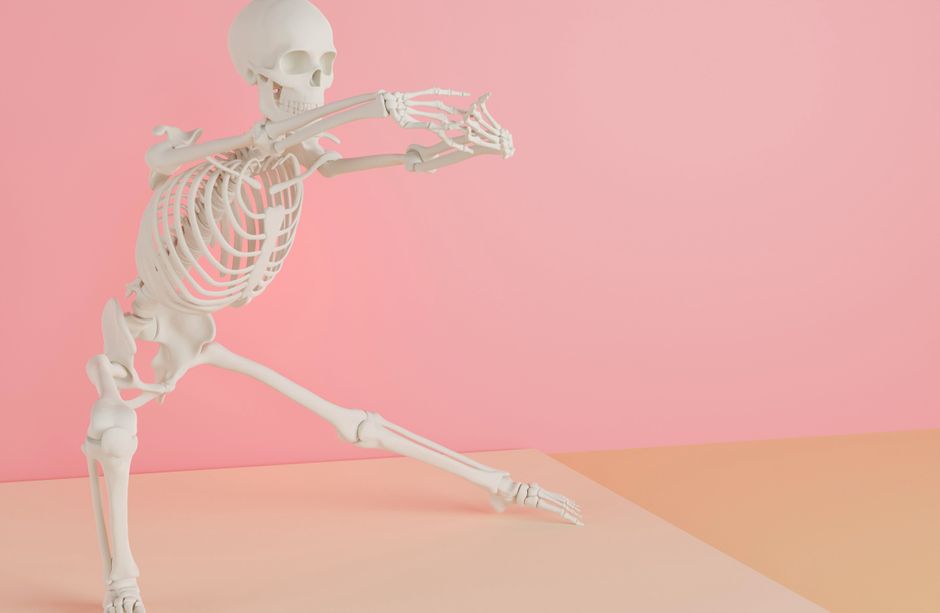
Photo by dada _design on Pexels
The skeletal system is your body's internal framework. It provides:
- Support: Holds your body upright and gives it shape.
- Protection: Shields vital organs (e.g., skull protects the brain, rib cage protects the heart and lungs).
- Movement: Serves as attachment points for muscles, allowing for leverage during movement.
- Mineral storage: Stores calcium and phosphorus.
- Blood cell formation: Bone marrow produces blood cells.
Bones are connected at joints, which can be immovable, slightly movable, or freely movable. Ligaments are tough bands of connective tissue that connect bone to bone, stabilizing joints. Cartilage provides cushioning at joints and structural support in places like your nose and ears.
The Muscular System (Skeletal, Smooth, and Cardiac Muscles)

Photo by Tara Winstead on Pexels
While all muscle types are important, for movement, we primarily focus on skeletal muscles. These are voluntary muscles, meaning you consciously control them. They attach to bones via tendons (strong connective tissue) and contract, pulling on the bones to create movement.
Muscles work in antagonistic pairs; when one muscle contracts (e.g., biceps), its opposing muscle relaxes (e.g., triceps) to allow movement.
Here's how these systems interact for movement and support:
graph TD
    A["Integumentary System (Skin)"] --> B["Protection & Sensory Input"];
    C["Skeletal System (Bones, Joints)"] --> D["Structural Support"];
    C --> E["Leverage for Movement"];
    C --> F["Organ Protection"];
    G["Muscular System (Skeletal Muscles)"] --> E;
    G --> H["Generates Force"];
    H --> E;
    B --> I["Information for Coordinated Movement"];
    D --> I;
    E --> J["Body Movement & Posture"];
    I --> J;
    J --> A;
3. Worked Example
Let's consider the simple act of picking up a pen from a desk.
- Integumentary System: Sensory receptors in your fingertips (integumentary system) detect the pen's texture and provide feedback about your grip. Your skin also protects your hand from minor scrapes as you reach.
- Skeletal System: Your arm bones (humerus, radius, ulna) and hand bones (carpals, metacarpals, phalanges) provide the rigid levers. Your elbow and wrist joints allow for the necessary bending and rotation.
- Muscular System: Your brain sends signals to skeletal muscles in your arm and hand. For instance, your biceps contract to flex your elbow, and forearm muscles contract to move your wrist and fingers, allowing you to grasp the pen. Tendons transmit the force from these muscles to the bones, creating the movement.
All three systems work instantly and simultaneously to make this action smooth and efficient.
4. Key Takeaways
- The integumentary system is your body's outer protective layer, regulating temperature and providing sensory feedback crucial for movement.
- The skeletal system forms the body's internal framework, offering support, protection for organs, and attachment points for muscles.
- The muscular system, particularly skeletal muscles, attaches to bones via tendons and contracts to create movement at joints.
- Ligaments connect bones to bones, stabilizing joints, while tendons connect muscles to bones.
- Muscles often work in opposing pairs (antagonists) to produce smooth and controlled movements.
- These three systems are highly interdependent; damage to one can significantly impact the function of the others.
- Maintaining healthy bones (e.g., through diet and exercise) and muscles is vital for lifelong mobility and strength.
Common Mistakes to Avoid:
- Confusing tendons (muscle to bone) with ligaments (bone to bone).
- Underestimating the skin's role beyond just "covering" the body, forgetting its protective and sensory functions.
- Thinking of movement as solely a muscular effort, ignoring the skeletal framework and joint mechanics.
- Forgetting that even basic tasks involve the coordinated effort of all three systems.
5. Now Try It
Imagine you're taking a step forward. Describe how each of the integumentary, skeletal, and muscular systems contribute to this action, highlighting at least one specific component or function from each system.
What success looks like: Your explanation clearly details the specific roles of skin (e.g., sensation, protection), bones/joints (e.g., support, leverage, protection), and muscles (e.g., contraction, force generation) in initiating and executing a single step.
Frequently asked about Support and Movement: Integumentary, Skeletal, and Muscular Systems
Study this next
Get the full Human Anatomy and Physiology curriculum
Clone the complete plan to your dashboard for unlimited AI-generated notes, practice quizzes, and a personalised revision schedule.
Create Free Account