Environmental Engineering and Construction Management
From the Fundamentals of Civil Engineering curriculum
TL;DR
Environmental engineering integrates scientific principles to protect public health and the environment, focusing on water, air, and waste. Construction management oversees the planning, execution, and control of construction projects, ensuring they're completed on time and within budget. These two fields often intersect, with environmental considerations deeply impacting construction practices and project approval.
1. The Mental Model
Think of environmental engineering as the doctor for the planet and public health, while construction management is the project leader building the infrastructure. They both work together to make sure that what we build is good for people and doesn't harm the Earth.
2. The Core Material
Environmental Engineering (EE) focuses on protecting the environment from the harmful effects of human activity, and protecting human populations from adverse environmental factors. Key areas include:
Water Resource Management
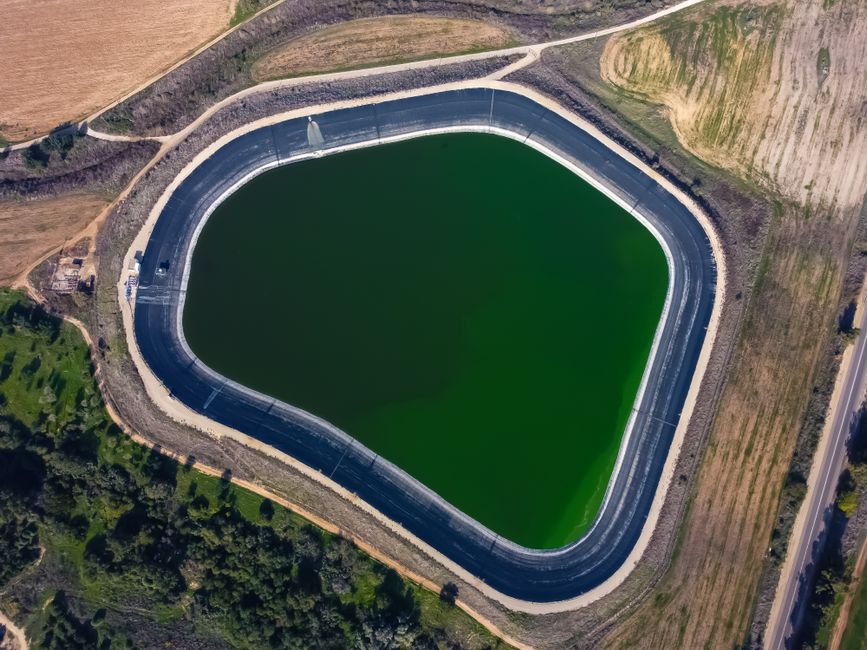
Photo by Lio Voo on Pexels
This involves designing and operating systems for water supply, wastewater treatment, and stormwater management. You'll deal with ensuring safe drinking water, treating sewage before discharge, and managing urban runoff to prevent flooding and pollution.
Air Pollution Control
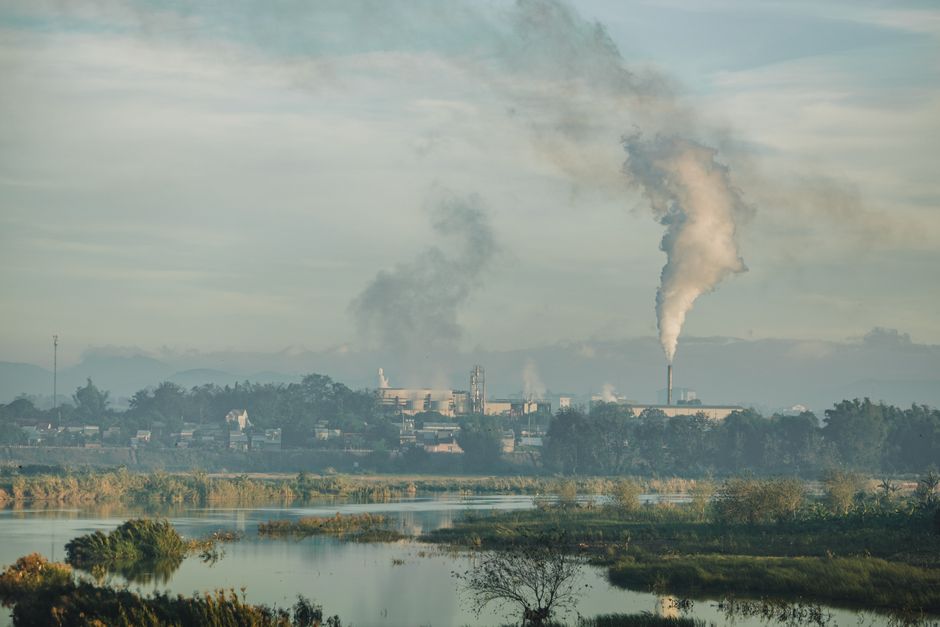
Photo by Thái Trường Giang on Pexels
Here, the goal is to prevent or reduce the emission of harmful pollutants into the atmosphere. This includes designing air scrubbers for industrial facilities, regulating vehicle emissions, and monitoring air quality.
Solid and Hazardous Waste Management
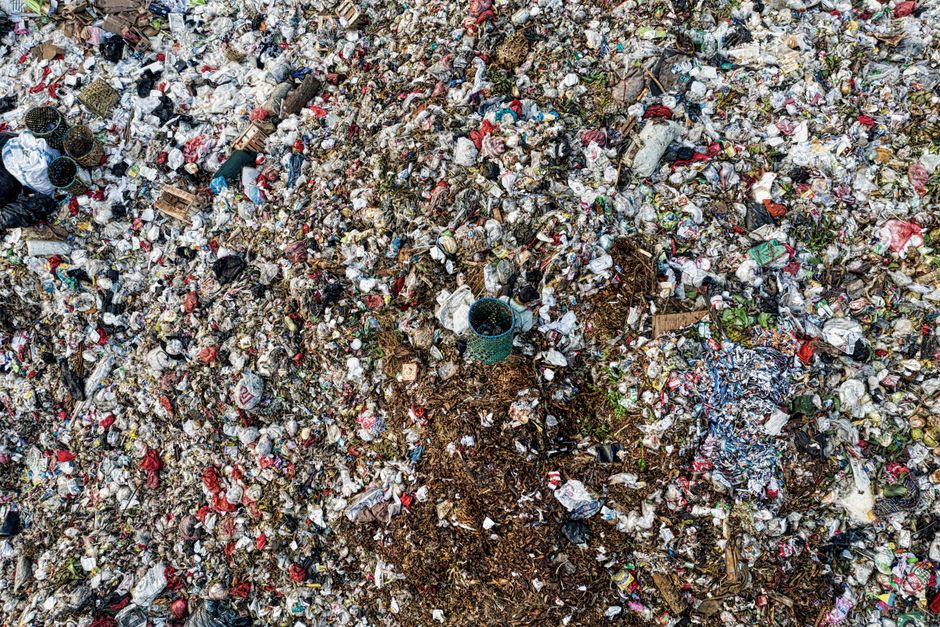
Photo by Tom Fisk on Pexels
This area deals with the collection, transport, treatment, and disposal of waste materials. It's about minimizing landfill use, promoting recycling, and safely handling hazardous materials to prevent contamination.
Environmental Impact Assessment (EIA)
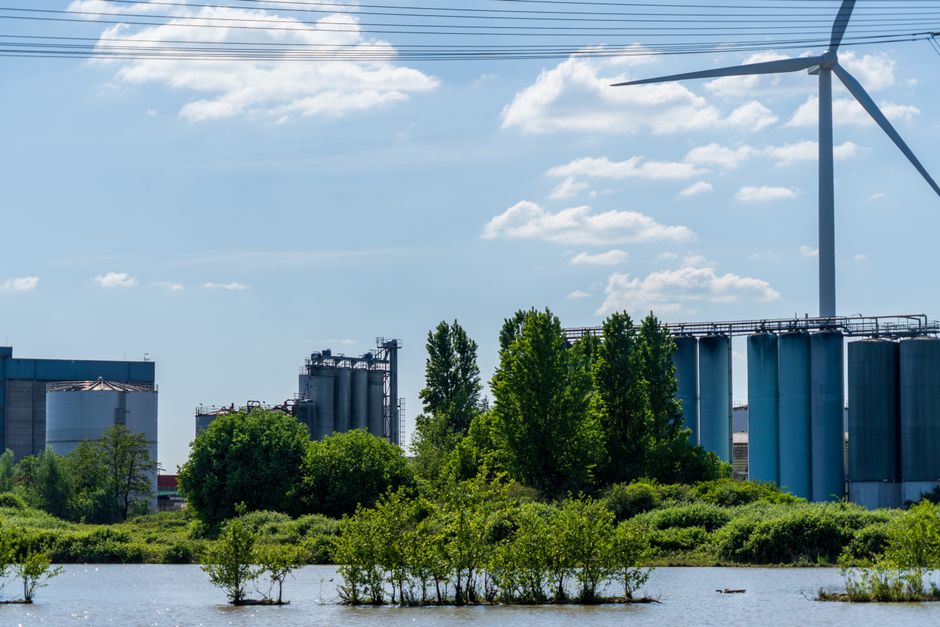
Photo by Martijn Stoof on Pexels
An EIA is a crucial process to evaluate the likely environmental impacts of a proposed project or development. It helps decision-makers determine whether a project should proceed, and if so, under what conditions.
Construction Management (CM) is the professional service that uses specialized project management techniques to oversee the planning, design, and construction of a project, from its beginning to its end. Key aspects include:
Project Planning and Scheduling
This involves defining project goals, breaking down tasks, and creating a timeline for completion. Tools like Gantt charts are commonly used to visualize schedules and track progress.
Cost Management
You'll be responsible for estimating project costs, preparing budgets, and controlling expenses throughout the construction phase to avoid overruns.
Quality Control and Safety Management
Ensuring that construction meets specified standards and that all work is performed safely is paramount. This includes implementing safety protocols and conducting regular inspections.
Contract Administration
Managing contracts with various stakeholders, including owners, contractors, and subcontractors, is a critical part of CM. This involves negotiating terms, handling change orders, and resolving disputes.
The intersection of EE and CM is significant. For instance, a construction project might require extensive soil remediation (an EE task) before building can even begin, or it might need specific designs to manage stormwater runoff (also EE) that influence the construction methods (CM). Environmental regulations often dictate construction practices, material choices, and waste disposal protocols.
graph TD
    A["Project Conception"] --> B["Environmental Impact Assessment (EE)"];
    B --> C{{"Is Project Environmentally Viable?"}};
    C -- "No" --> D["Project Redesign/Abandonment"];
    C -- "Yes" --> E["Regulatory Approvals (EE/CM)"];
    E --> F["Detailed Design & Planning (EE/CM)"];
    F --> G["Construction Execution (CM)"];
    G --> H["Environmental Monitoring & Compliance (EE)"];
    G --> I["Safety & Quality Control (CM)"];
    H & I --> J["Project Completion & Commissioning (CM)"];
    J --> K["Post-Construction Environmental Audit (EE)"];
3. Worked Example
Let's consider a new bridge construction project.
-
Environmental Impact Assessment (EE): Before any digging, an environmental engineer conducts an EIA. They identify that the bridge will cross a sensitive wetland area, impacting local bird habitats and potentially increasing sediment runoff into a nearby river. They recommend mitigation measures like using pre-fabricated bridge sections to minimize on-site disturbance, installing sediment fences, and establishing a new habitat area elsewhere.
-
Regulatory Approvals (EE/CM): Based on the EIA, the environmental engineer helps secure permits from environmental agencies, which include strict conditions for wetland protection and water quality. The construction manager integrates these conditions into the project plan.
-
Construction Planning (CM): The construction manager schedules the project, ensuring that work in the wetland area is done during dry seasons to minimize impact. They budget for the sediment fences and the off-site habitat creation.
-
Construction Execution (CM/EE): During construction, the construction manager oversees the installation of sediment fences and ensures pre-fabricated sections are used as planned. An environmental engineer regularly monitors water quality in the river and checks the effectiveness of the sediment fences, reporting any issues. If water quality drops, the CM halts work in that section until the EE identifies a solution.
-
Project Completion (CM/EE): After the bridge is built, the construction manager ensures all final inspections are done. The environmental engineer conducts a final audit to confirm that all environmental conditions were met, including the successful establishment of the new habitat area.
4. Key Takeaways
- Environmental engineering focuses on protecting health and the environment through sustainable practices and pollution control.
- Construction management oversees project execution, ensuring projects are delivered on time, within budget, and to specification.
- Environmental impact assessments (EIAs) are critical for identifying and mitigating potential environmental harm from projects.
- Environmental regulations directly influence construction methods, materials, and waste disposal protocols.
- Effective collaboration between environmental engineers and construction managers is vital for successful, sustainable projects.
- Poor environmental planning can lead to significant project delays, increased costs, and legal issues.
- Neglecting safety in construction management can result in injuries, fatalities, and project shutdowns.
5. Now Try It
Imagine you're managing a project to build a new factory in a slightly urbanized area. List three specific environmental concerns you'd anticipate (e.g., air, water, waste, noise) and, for each concern, propose one construction management action you'd take to address it.
What success looks like: You've identified relevant environmental issues and suggested practical, actionable steps a construction manager could implement to mitigate those concerns during the factory's construction.
Frequently asked about Environmental Engineering and Construction Management
Study this next
Get the full Fundamentals of Civil Engineering curriculum
Clone the complete plan to your dashboard for unlimited AI-generated notes, practice quizzes, and a personalised revision schedule.
Create Free Account