Introduction to Cellular Physiology
From the Physiology of the cells curriculum
TL;DR
Cellular physiology explores how cells work, focusing on their structure and the processes that keep them alive. It connects basic cell parts to their specific functions, explaining how cells maintain balance and interact. Understanding these fundamentals is key to grasping how entire organisms function.
1. The Mental Model
Imagine a cell as a tiny, bustling city. Each part—like the city hall, power plant, or transportation system—has a specific job crucial for the city's overall survival and activity. Cellular physiology is all about understanding how these "city parts" (organelles and molecules) perform their jobs and cooperate.
2. The Core Material
Cellular physiology is the study of the vital functions and processes that occur within living cells. It bridges the gap between cell biology (what cells are made of) and general physiology (how entire organisms work). We'll look at the fundamental principles that govern how cells maintain life.
2.1 The Cell as a Functional Unit
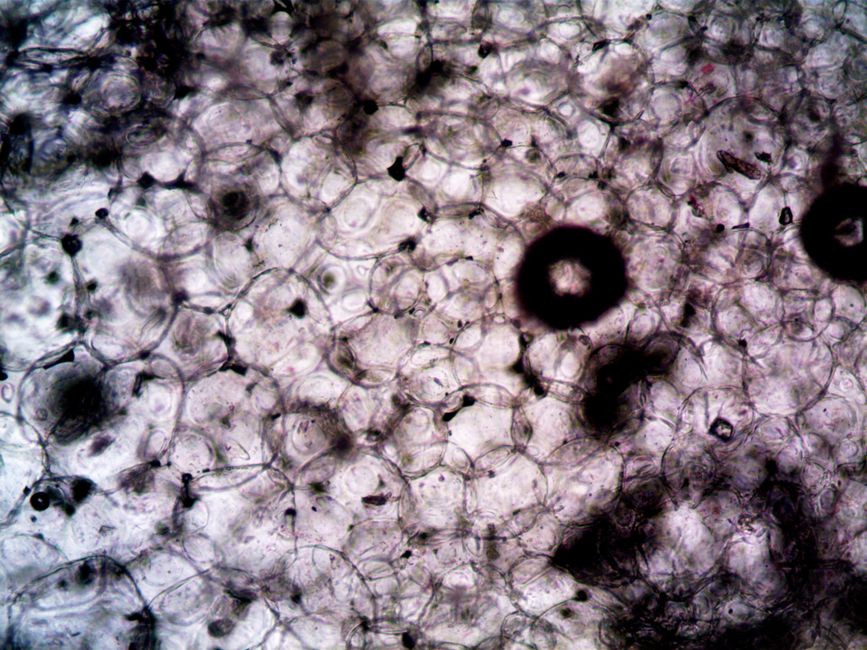
Photo by turek on Pexels
Every living thing is made of cells, and each cell itself is a complete functional unit. This means that even a single cell can perform all the basic activities necessary for life: metabolism, growth, response to stimuli, and reproduction. Think of it like a miniature organism.
2.2 Key Cellular Components and Their Physiological Roles

Photo by Fayette Reynolds M.S. on Pexels
Understanding how a cell functions means knowing its parts and what they do.
- Plasma Membrane: This is the cell's outer boundary. It's not just a wall; it's a dynamic, selectively permeable barrier. It controls what goes in and out of the cell, maintains the cell's internal environment (homeostasis), and is crucial for cell communication.
- Cytoplasm: This includes the cytosol (the jelly-like fluid) and the organelles suspended within it. It's where many metabolic reactions happen.
- Nucleus: Often called the cell's control center, it contains the genetic material (DNA) and regulates gene expression, directing protein synthesis.
- Mitochondria: These are the "powerhouses" of the cell. They generate most of the cell's supply of ATP (adenosine triphosphate), which is used as a source of chemical energy. This process is called cellular respiration.
- Endoplasmic Reticulum (ER): A network of membranes involved in protein and lipid synthesis. The rough ER has ribosomes and is involved in making proteins for secretion or insertion into membranes. The smooth ER is involved in lipid synthesis, detoxification, and calcium storage.
- Golgi Apparatus: Modifies, sorts, and packages proteins and lipids from the ER for secretion or delivery to other organelles.
- Lysosomes: Contain digestive enzymes to break down waste materials and cellular debris. They're like the cell's recycling and waste disposal units.
- Ribosomes: Responsible for protein synthesis (translating mRNA into protein).
2.3 Homeostasis: Maintaining the Internal Balance

Photo by Veronika Andrews on Pexels
A core concept in physiology is homeostasis. Cells must maintain a stable internal environment despite external changes. This involves regulating temperature, pH, ion concentrations, and nutrient levels. The plasma membrane plays a critical role here, along with various transport mechanisms.
2.4 Cell Communication

Photo by Merlin Lightpainting on Pexels
Cells rarely act alone. They communicate with each other to coordinate their activities, which is essential for multicellular organisms. This happens through chemical signals (like hormones or neurotransmitters) that bind to receptors on the cell surface or inside the cell, triggering specific responses.
graph TD
    A["Cellular Stimulus (e.g., hormone, nutrient change)"] --> B{"Plasma Membrane Receptors"}
    B --> C{Intracellular Signaling Pathway}
    C --> D[Gene Expression / Enzyme Activation / Ion Channel Opening]
    D --> E["Cellular Response (e.g., protein synthesis, muscle contraction, secretion)"]
    E --> F["Maintain Homeostasis / Achieve Specific Function"]
3. Worked Example
Let's consider how a muscle cell responds to a signal to contract. When a nerve cell releases a chemical signal (neurotransmitter) that binds to receptors on the muscle cell's plasma membrane, this binding acts as the "cellular stimulus." This triggers an "intracellular signaling pathway" which leads to the release of calcium ions from the smooth ER (a specialized form called sarcoplasmic reticulum). These calcium ions then interact with muscle proteins, causing the muscle cell to shorten, or contract. This is a direct "cellular response" to maintain a specific function, like moving a limb.
4. Key Takeaways
- Cells are the fundamental units of life, capable of performing all essential life functions.
- The plasma membrane is crucial for regulating what enters and exits the cell, maintaining its internal balance.
- Mitochondria are the primary sites of ATP production, providing energy for cellular activities.
- The nucleus houses genetic material and directs protein synthesis, controlling cell function.
- Homeostasis is the cell's ability to maintain a stable internal environment despite external changes.
- Cell communication, often through chemical signals, is vital for coordinating cellular activities.
Common Mistakes to Avoid:
- Confusing cell anatomy (what parts are there) with cell physiology (how those parts function).
- Underestimating the dynamic role of the plasma membrane; it's not just a passive barrier.
- Forgetting that ATP is the universal energy currency for almost all cellular processes.
- Ignoring the interconnectedness of organelles; they don't work in isolation.
5. Now Try It
Take a common cell type, like a red blood cell or a neuron. List its primary function. Then, identify at least three specific organelles or cellular components that are particularly important for that function and briefly explain why they are important in that context. For example, for a red blood cell's function of oxygen transport, you might consider its lack of a nucleus, its specific membrane proteins, and its unique shape.
Success looks like: You've clearly stated the cell type and its main function, then linked specific cellular structures to that function with a brief explanation of their physiological role.
Frequently asked about Introduction to Cellular Physiology
Study this next
Get the full Physiology of the cells curriculum
Clone the complete plan to your dashboard for unlimited AI-generated notes, practice quizzes, and a personalised revision schedule.
Create Free Account