Foundational Concepts of Accounting
From the explain why bookkeeping is regarded as a subset of accounting curriculum
TL;DR
Bookkeeping is the detailed process of recording financial transactions, while accounting uses this recorded data to prepare financial reports and analyze a business's performance. Think of bookkeeping as the initial data collection and organization, and accounting as the broader interpretation and communication of that data. Bookkeeping is therefore a crucial, initial step within the larger accounting function.
1. The Mental Model
Imagine you're building a house: bookkeeping is like carefully laying each brick and recording its placement. Accounting, on the other hand, is like the architect reviewing the bricklaying, creating blueprints, and telling you how strong the house is, what it's worth, and if it's going to stand.
2. The Core Material
You've asked why bookkeeping is seen as a subset of accounting. Let's break down what each involves.
Bookkeeping is all about the systematic recording of financial transactions. Its primary goal is to ensure all financial activities are accurately captured. This includes things like:
* Recording sales and purchases
* Tracking money received and paid out
* Managing invoices
* Reconciling bank accounts
It's a very transactional process, often following a set of established rules (like double-entry bookkeeping) to ensure accuracy. Think of it as the raw data input and organization phase.
Accounting, however, is a much broader field that encompasses bookkeeping and goes significantly beyond it. Accounting involves:
* Summarizing the recorded transactions.
* Analyzing the financial data to understand what it means.
* Interpreting the results to assess financial health.
* Reporting this information to stakeholders (owners, investors, banks, government) in the form of financial statements (like the Income Statement, Balance Sheet, and Cash Flow Statement).
* Auditing financial records for accuracy and compliance.
* Tax preparation and planning.
* Financial planning and decision-making.
So, while bookkeeping provides the essential raw material (the recorded transactions), accounting uses that material to create meaningful insights and reports. Without accurate bookkeeping, effective accounting isn't possible. This hierarchical relationship makes bookkeeping a fundamental component, or subset, of the larger accounting discipline.
Here’s a diagram to help you visualize this relationship:
graph TD
    A["Accounting (The Broad Field)"] --> B["Bookkeeping (Recording Transactions)"]
    A --> C["Financial Reporting (Statements)"]
    A --> D["Financial Analysis (Insights)"]
    A --> E["Auditing (Verification)"]
    A --> F["Taxation (Compliance)"]
    B --> G["Sales Records"]
    B --> H["Purchase Records"]
    B --> I["Bank Reconciliations"]
    G --> A_SUMMARIZE["Summarize for Accounting"]
    H --> A_SUMMARIZE
    I --> A_SUMMARIZE
2.1 Bookkeeping: The Foundation
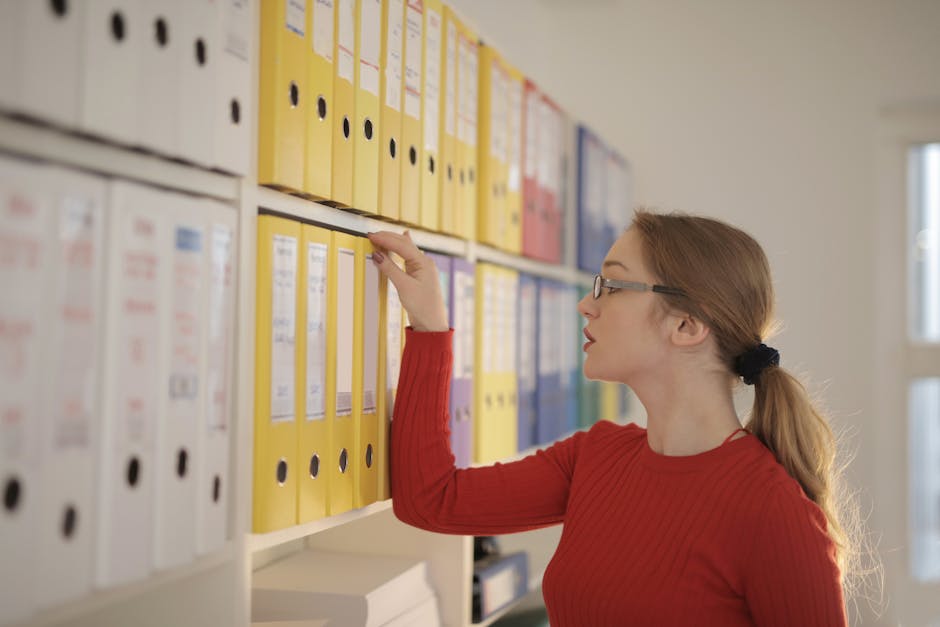
Photo by Andrea Piacquadio on Pexels
You can't build a house without bricks, and you can't do accounting without bookkeeping. The accuracy and completeness of bookkeeping directly impact the reliability of accounting reports. If the books are messy or incomplete, any analysis derived from them will be flawed.
2.2 Accounting: The Bigger Picture

Photo by Pixabay on Pexels
Once the transactions are recorded, accounting steps in to make sense of them. It's about turning numbers into a story about the business's financial performance and position. This story helps people make informed decisions.
3. Worked Example
Let's say a small coffee shop, "Daily Grind," makes a sale.
Bookkeeping Action:
The barista rings up a customer for a coffee and a pastry, totaling $8.50. The bookkeeper (or the accounting software) records this specific transaction:
* Debit: Cash $8.50 (money received)
* Credit: Sales Revenue $8.50 (income earned)
This is a precise, entry-by-entry record.
Accounting Action:
At the end of the month, the accountant for Daily Grind takes all these individual sales records (along with other transactions like rent, supplies, wages) that the bookkeeper has recorded. The accountant then:
1. Summarizes all the sales revenue for the month ($8.50 + other sales = total sales).
2. Analyzes the sales trends (Are sales up or down compared to last month? Are pastries selling better than coffee?).
3. Prepares the Income Statement, showing the total sales revenue, cost of goods sold, and net profit for the month.
4. Uses this report to advise the owner on whether to run a new promotion or adjust prices.
The detailed recording (
Frequently asked about Foundational Concepts of Accounting
Study this next
Get the full explain why bookkeeping is regarded as a subset of accounting curriculum
Clone the complete plan to your dashboard for unlimited AI-generated notes, practice quizzes, and a personalised revision schedule.
Create Free Account