Introduction to Weather and Climate
From the Geo curriculum
Introduction to Weather and Climate
TL;DR
Weather describes short-term atmospheric conditions, like today's rain, while climate refers to long-term patterns and averages, such as a region's typical hot summers. Understanding the difference is crucial because various factors, from solar radiation to ocean currents, drive both. Human activities are increasingly impacting climate, leading to significant global changes.
1. The Mental Model
Think of weather as what you wear today, and climate as your entire wardrobe. Weather is the specific outfit you pick based on current conditions, while climate is the collection of clothes you own because of where you live and the seasons you experience over many years.
2. The Core Material
You'll often hear "weather" and "climate" used interchangeably, but they're distinct. Weather is the state of the atmosphere at a specific place and time. It's what you experience day-to-day: temperature, precipitation (rain, snow), wind, humidity, and cloud cover. It can change quickly.
Climate, on the other hand, is the average weather patterns for a particular region over a long period, typically 30 years or more. It includes average temperatures, rainfall, and sunshine, as well as the frequency of extreme events like droughts or floods.
Factors Influencing Weather and Climate
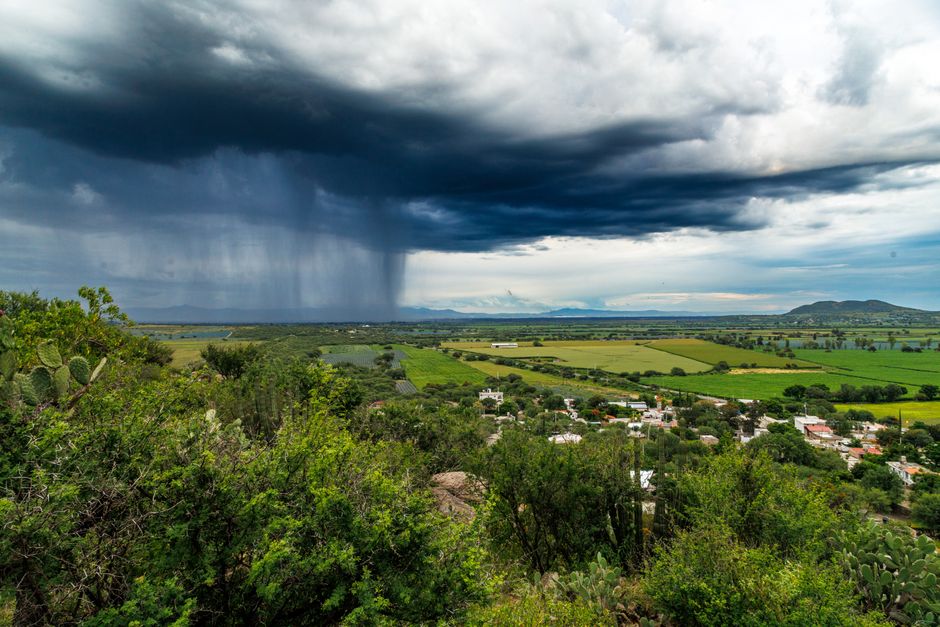
Photo by Josias Salinas on Pexels
Many elements interact to create weather and determine climate. Here are the main ones:
- Solar Radiation: This is the primary energy source. The angle at which the sun's rays hit the Earth influences how much heat an area receives. Areas near the equator get more direct sunlight, leading to warmer climates.
- Atmospheric Circulation: Air moves in large patterns, redistributing heat and moisture. Hot air rises at the equator, moves towards the poles, cools, sinks, and returns. This creates major wind belts.
- Ocean Currents: Like atmospheric circulation, ocean currents move vast amounts of heat around the globe. Warm currents can make coastal areas milder, while cold currents can cool them down.
- Topography (Landforms): Mountains, for example, can create "rain shadows." As moist air rises over one side of a mountain, it cools, condenses, and releases precipitation. By the time it descends the other side, it's dry, leading to arid conditions.
- Altitude: Generally, the higher you go, the colder it gets. This is why mountains often have snow caps even in warm regions.
- Greenhouse Gases: Gases like carbon dioxide, methane, and water vapor trap heat in the atmosphere, keeping our planet warm enough to support life. However, an increase in these gases can lead to excess warming.
graph TD
    A["Solar Radiation (Energy Source)"] --> B["Earth's Surface Heating"]
    B --> C["Atmospheric Pressure Differences"]
    C --> D["Wind (Atmospheric Circulation)"]
    B --> E["Evaporation (Water Cycle)"]
    E --> F["Humidity & Clouds"]
    D & F --> G["Precipitation"]
    D --> H["Ocean Currents (Heat Distribution)"]
    G --> I["Weather (Short-term events)"]
    H --> J["Climate (Long-term averages)"]
    K["Topography (Mountains, etc.)"] --> G
    K --> J
    L["Altitude"] --> J
    M["Greenhouse Gases"] --> B
    M --> J
Climate Zones
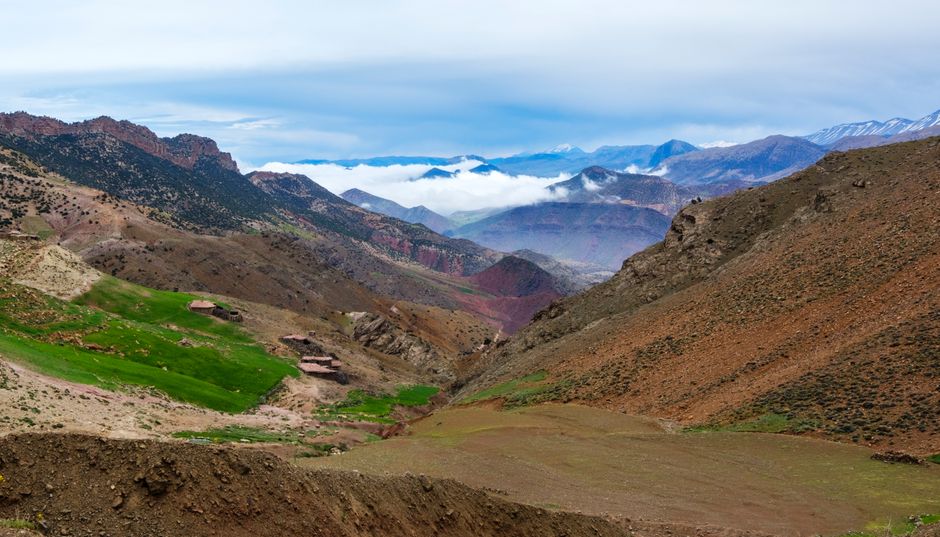
Photo by pierre matile on Pexels
Scientists classify climates into different zones based on temperature and precipitation patterns. The most common system is the Köppen climate classification, which uses average monthly temperatures and precipitation to define zones like Tropical, Dry, Temperate, Continental, and Polar. Each zone supports different types of ecosystems and human activities.
Human Impact

Photo by Asad Photo Maldives on Pexels
Human activities, particularly the burning of fossil fuels (coal, oil, natural gas), deforestation, and certain agricultural practices, release large amounts of greenhouse gases into the atmosphere. This enhances the natural greenhouse effect, leading to a rise in global temperatures, a phenomenon known as global warming. This warming, in turn, drives broader climate change, which includes shifts in precipitation patterns, more frequent extreme weather events, sea-level rise, and ocean acidification.
3. Worked Example
Imagine you're planning a trip.
Scenario 1: Packing for a weekend trip to London in July.
You check the weather forecast. It says "mostly cloudy, 18°C, with a 60% chance of rain on Saturday." This tells you to pack a light jacket, maybe an umbrella, and comfortable shoes for walking. This is a short-term, specific prediction.
Scenario 2: Deciding where to retire.
You're considering settling in Miami, Florida. You'd research Miami's climate. You'd learn it has a tropical monsoon climate (Köppen: Am), characterized by hot, humid summers with frequent afternoon thunderstorms and mild, dry winters. You'd expect hurricanes during certain months. This long-term information helps you understand the general conditions you'd live in for years. You wouldn't base your retirement decision solely on one day's weather forecast.
4. Key Takeaways
- Weather is the current state of the atmosphere at a specific location and time.
- Climate is the average weather conditions over a long period, typically 30 years or more.
- Solar radiation is the fundamental energy driver for both weather and climate.
- Atmospheric circulation and ocean currents redistribute heat and moisture globally.
- Topography, altitude, and greenhouse gases significantly influence regional climates.
- Human activities are increasing greenhouse gas concentrations, leading to global warming and climate change.
Common Mistakes to Avoid:
- Don't confuse a single unusually cold day with evidence against global warming; that's mixing weather with climate.
- Don't assume all changes in weather are due to climate change; weather naturally varies.
- Don't forget that climate change isn't just about rising temperatures; it includes changes in precipitation, storms, and sea levels.
- Don't underestimate the role of oceans in regulating Earth's climate.
5. Now Try It
For the city you live in (or a city you're interested in), spend about 15 minutes researching its current weather forecast for the next 3 days and its general climate type (e.g., "temperate, humid continental"). Think about how the daily forecast differs from the long-term climate description. What kind of clothing would you pack if you were visiting for a week in the peak of summer, and how does that reflect the climate, not just one day's weather?
Frequently asked about Introduction to Weather and Climate
Study this next
Get the full Geo curriculum
Clone the complete plan to your dashboard for unlimited AI-generated notes, practice quizzes, and a personalised revision schedule.
Create Free Account