Synthesis: Piggy as a Sage Archetype and His Thematic Significance
From the how is piggy from lorf of the flies a sage character srchatype curriculum
Piggy as a Sage Archetype and His Thematic Significance
TL;DR
Piggy embodies the Sage archetype through his intellect, rational thinking, and desire for order, constantly advocating for societal structure among the boys. His tragic fate highlights the fragility of reason in the face of primal savagery and the devastating consequences of ignoring wisdom. Understanding Piggy as a Sage reveals Golding's critique of humanity's potential for self-destruction when intellect is suppressed.
1. The Mental Model
Think of the Sage archetype as the wise old person, full of knowledge and logic, who always seeks the truth. Piggy fits this by consistently trying to apply grown-up rules and scientific understanding to the boys' chaotic situation. He's the voice of reason.
2. The Core Material
The Sage archetype, as defined by Carl Jung and explored in literature, represents the seeker of truth, knowledge, and wisdom. Sages are typically intelligent, reflective, and value logic and understanding above all else. They often serve as mentors or advisors, guiding others with their insights.
Piggy, in Lord of the Flies, consistently displays these traits:
His Intellect and Rationality
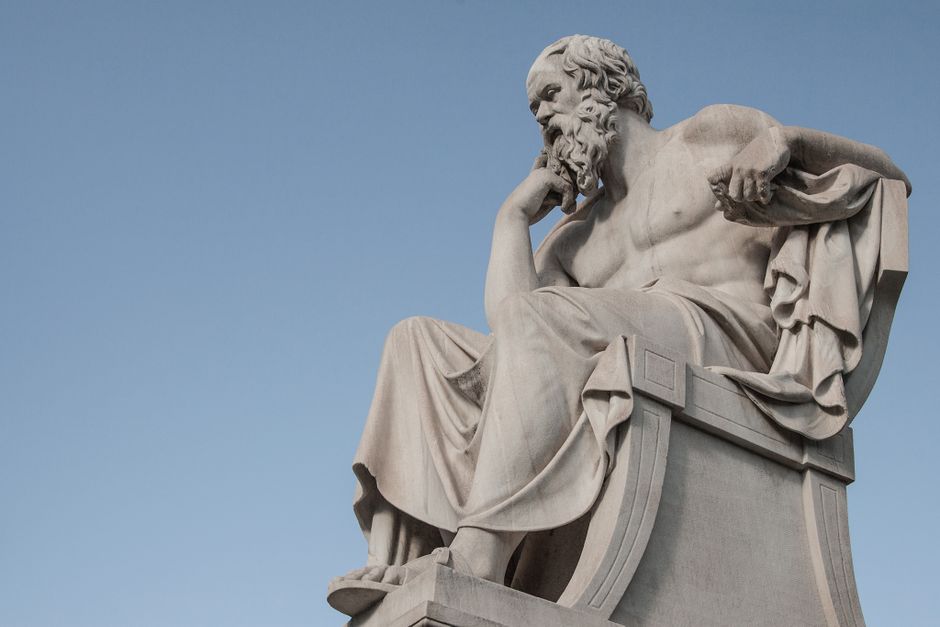
Photo by Anne O'Sullivan on Pexels
From the moment he appears, Piggy demonstrates a keen intellect. He's the one who understands the practicalities of survival and organization. He immediately grasps the need for a list of names, shelter, fire, and a system for speaking. His mind naturally leans towards problem-solving and scientific explanation, trying to rationalize the "beast" with logical arguments about fear and imagination.
The Voice of Civilization and Rules

Photo by Pavel Danilyuk on Pexels
Piggy constantly appeals to the adults' world and its established rules. He clings to the idea of a "proper" society, emphasizing the importance of the conch as a symbol of order and free speech. He believes in democratic processes and fair play, often reminding the other boys about what their elders would expect. He's the one who insists on keeping the fire going, not just for rescue, but as a symbolic link to civilization.
His Marginalization and Tragic End
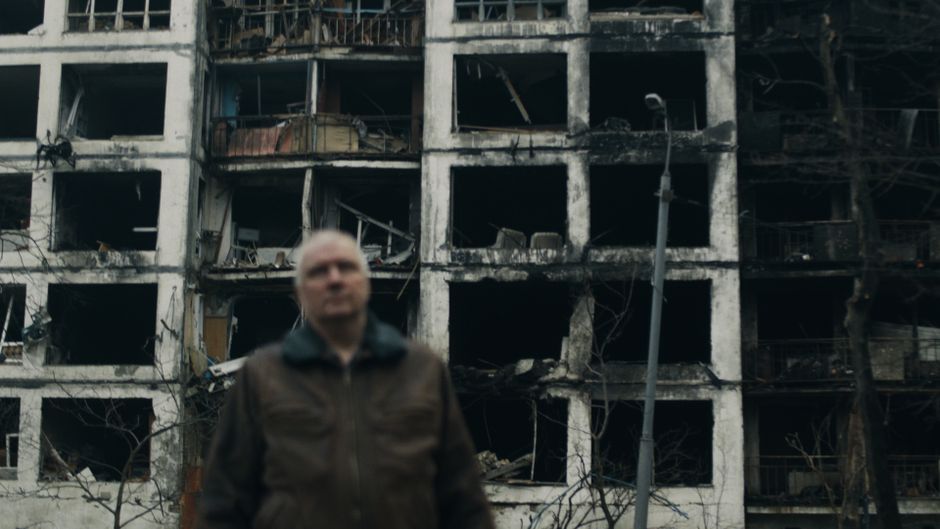
Photo by Mykhailo Volkov on Pexels
Despite his invaluable contributions, Piggy is consistently mocked, ignored, and physically abused by the other boys, especially Jack. His asthma, weight, and dependence on his glasses make him an easy target. This marginalization is crucial to his Sage archetype – often, the wisdom of the Sage is rejected or misunderstood by those who aren't ready to hear it. His ultimate demise, a senseless murder by Roger, symbolizes the complete triumph of savagery over reason and intellect. The smashing of the conch and his glasses simultaneously underscores the destruction of all that Piggy, and the Sage archetype, represents: sight, clarity, and order.
Thematic Significance

Photo by Mikhail Nilov on Pexels
Piggy's role as a Sage is critical to the novel's central themes:
- The Fragility of Civilization: Piggy represents the veneer of civilized society. His destruction shows how easily it can crumble when primal instincts take over.
- The Power of Reason vs. Savagery: He embodies reason and scientific thought, which are ultimately overpowered by the boys' descent into barbarism, illustrating Golding's pessimistic view of human nature.
- The Value (and Vulnerability) of Intellect: His intelligence is essential for survival and order, yet it's precisely this intellect that makes him a target and ultimately leads to his destruction. It highlights that wisdom, without power or respect, is defenseless.
graph TD
    A["Piggy (Sage Archetype)"] --> B["Intellect & Rationality"]
    A --> C["Advocates for Rules & Order"]
    A --> D["Symbolizes Civilization & Science"]
    B --> E["Desire for Problem-Solving"]
    C --> F["Respects the Conch & Democracy"]
    D --> G["Represents the Adult World"]
    E & F & G --> H["Rejection by the Boys"]
    H --> I["Marginalization & Mockery"]
    I --> J["Tragic Death (Smashing of Conch/Glasses)"]
    J --> K["Themes of Savagery, Loss of Reason"]
    K --> L["Golding's Critique of Human Nature"]
3. Worked Example
Consider the scene where Piggy tries to get his glasses back from Jack. He appeals directly to Jack's sense of fairness, saying, "I got to have them glasses. Not only 'cos I want to see, but I got a right to them." Here, Piggy isn't just asking for sight; he's asserting a right based on logic and what's proper ("I got a right"). He attempts to engage Jack using reason, which, as we see, completely fails. Jack responds with violence, culminating in Piggy's death shortly after. This shows Piggy's unwavering commitment to rational thought and rights, even when faced with overwhelming unreason, and the devastating consequence of that commitment.
4. Key Takeaways
- Piggy embodies the Sage archetype through his intelligence, logic, and consistent pursuit of order and knowledge.
- He constantly tries to apply adult rules and scientific understanding to the island's chaos.
- His marginalization and eventual death symbolize the tragic defeat of reason and civilization by primal savagery.
- Piggy's glasses are a powerful symbol of intellect and clear-sightedness, their breakage representing the loss of these qualities.
- His character is crucial for exploring themes like the fragility of civilization and the inherent darkness within human nature.
Common mistakes to avoid:
- Don't confuse Piggy's wisdom with a lack of courage; he is brave in his persistent defense of reason.
- Avoid seeing his physical weaknesses as a flaw in his archetypal role; they amplify his vulnerability as a Sage.
- Don't dismiss his contributions because he's often ignored; his ideas are often the most practical and necessary.
- Don't forget that his ultimate demise is a direct consequence of the boys rejecting the very wisdom he offers.
5. Now Try It
Think about another instance in the book where Piggy tries to use logic or appeal to rules, and how the other boys react. Write a short paragraph (3-4 sentences) explaining the specific situation, Piggy's action as a Sage, and the immediate outcome for him and the group. What does this specific moment tell you about the balance of reason and savagery on the island at that point? What success looks like: you'll identify a clear instance, articulate Piggy's Sage-like behavior, and link the outcome to the broader themes of the novel.
Frequently asked about Synthesis: Piggy as a Sage Archetype and His Thematic Significance
Study this next
Get the full how is piggy from lorf of the flies a sage character srchatype curriculum
Clone the complete plan to your dashboard for unlimited AI-generated notes, practice quizzes, and a personalised revision schedule.
Create Free Account