Factors Leading to the Development of Ancient Civilizations
From the individulas and societies curriculum
Factors Leading to the Development of Ancient Civilizations
TL;DR
Ancient civilizations grew because people learned to farm, settling in one place and creating surpluses. These surpluses allowed for specialized jobs and complex societies, leading to the first cities and states. Geography, especially access to water, played a huge role in where these civilizations first appeared.
1. The Mental Model
Think of it like building blocks: agriculture is the first, allowing people to stay put. This stability then lets them build more complex structures (cities, governments) on top of that foundation.
2. The Core Material
For most of human history, people were nomadic hunter-gatherers, constantly moving to find food. This lifestyle meant small groups, few possessions, and no permanent settlements. Everything changed with the Neolithic Revolution, a period where humans transitioned from hunting and gathering to farming.
The Neolithic Revolution: Farming Changes Everything

Photo by Sami Aksu on Pexels
Around 10,000 BCE, people in various parts of the world began to domesticate plants (like wheat and barley) and animals (like sheep and goats). This was a game-changer for several reasons:
- Sedentary Lifestyle: Farming required people to stay in one place to tend crops and livestock. This led to permanent settlements and villages.
- Food Surplus: Eventually, farmers produced more food than they immediately needed. This "surplus" was crucial.
- Population Growth: A stable food supply meant more people could be fed, leading to larger populations.
Specialization and Social Complexity
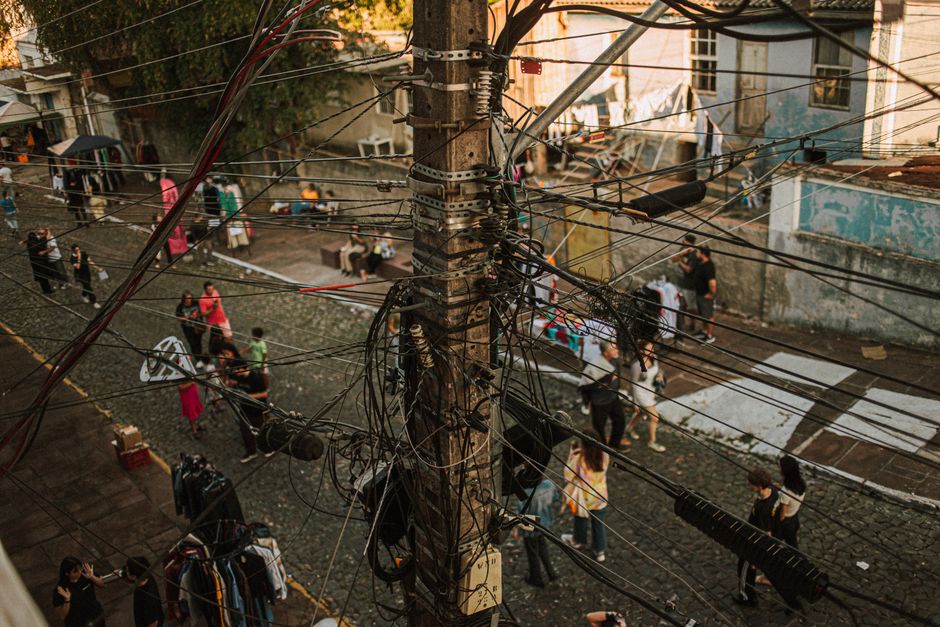
Photo by Rô Acunha on Pexels
Once there was a food surplus, not everyone had to farm. Some people could dedicate their time to other tasks. This led to job specialization:
- Artisans: Making tools, pottery, clothing.
- Builders: Constructing homes, temples, irrigation systems.
- Warriors: Protecting the community.
- Priests/Leaders: Organizing religious life, managing resources, making decisions.
This specialization created more complex societies. People started living together in larger groups, which eventually became towns and then cities.
The Role of Geography and Environment

Photo by K on Pexels
Where did all this happen first? Often in areas with specific geographic advantages:
- River Valleys: Rivers provided fertile soil (from yearly floods), a reliable water source for irrigation, and easy transportation. Most early civilizations sprung up in river valleys (e.g., the Nile, Tigris-Euphrates, Indus, Yellow River).
- Climate: Areas with predictable seasons and a climate suitable for growing key crops were essential.
Development of Governance and Culture

Photo by Mikhail Nilov on Pexels
As societies grew larger and more complex, there was a need for organization:
- Government: Leaders emerged to manage resources, enforce laws, and organize large-scale projects (like irrigation).
- Writing Systems: To keep track of goods, laws, and history, writing developed.
- Public Works: Temples, monumental buildings, and complex irrigation systems were built, requiring organized labor.
- Trade: Surpluses meant people could trade excess goods for things they didn't have, leading to economic networks.
This interconnected development of agriculture, surplus, specialization, and organized governance is what defines an ancient civilization.
graph TD
    A["Nomadic Hunter-Gatherers"] --> B["Neolithic Revolution (Farming)"];
    B --> C["Sedentary Lifestyle"];
    C --> D["Food Surplus"];
    D --> E["Population Growth"];
    D --> F["Job Specialization"];
    F --> G["Increased Social Complexity"];
    G --> H["Development of Cities"];
    H --> I["Need for Governance"];
    I --> J["Organized Government & Laws"];
    J --> K["Public Works (e.g., Irrigation)"];
    J --> L["Writing Systems & Record Keeping"];
    K --> M["Flourishing Civilization"];
    L --> M;
    E --> H;
    C --> K;
    B --> N["Favorable Geography (River Valleys, Fertile Land)"];
    N --> M;
3. Worked Example
Imagine the people living near the Tigris and Euphrates rivers (Mesopotamia). Before farming, they might have hunted wild game and gathered plants, moving frequently. Then, they discover that wild grains like barley grow well there. They start planting these grains, and soon they're producing more barley than they can eat right away.
This surplus means they can store some for later or trade it. Because they're staying put to tend their fields, their population grows. Not everyone needs to farm; some become potters to store the excess grain, others build irrigation canals from the river to new fields. A strong leader or group emerges to organize these canal-building projects and decide who gets what water. They might even develop a system of marks on clay tablets to record how much barley each farmer owes the community. This entire process, from planting the first seeds to building irrigation and writing, shows how a civilization formed around those rivers.
4. Key Takeaways
- The shift from hunting and gathering to farming (Neolithic Revolution) was the fundamental change.
- Food surpluses enabled job specialization, meaning not everyone had to produce food.
- Specialization led to social complexity and the growth of larger communities like cities.
- River valleys provided essential resources (water, fertile soil) for early agricultural success.
- The need to manage resources and larger populations led to the development of organized governments and writing.
- Early civilizations were characterized by dense populations, social hierarchy, and monumental architecture.
- Trade and economic networks grew from surpluses and specialization.
Common Mistakes to Avoid
- Don't think of civilization development as a sudden event; it was a gradual process over millennia.
- Avoid thinking that all civilizations developed identically or at the same time globally.
- Don't underestimate the importance of geography; it wasn't just a backdrop but a key factor.
- Don't forget that "surplus" is more than just extra food; it's the foundation for everything else.
5. Now Try It
Choose one of the other major river valleys where an ancient civilization developed (e.g., the Nile, Indus, or Yellow River). In about 3-5 sentences, describe how the specific geographical features of that valley would have supported the sequence of developments we discussed (farming, surplus, specialization, etc.).
Success looks like: Clearly linking a geographical feature (like yearly flooding or predictable river flow) to specific steps in the civilization development process.
Frequently asked about Factors Leading to the Development of Ancient Civilizations
Study this next
Get the full individulas and societies curriculum
Clone the complete plan to your dashboard for unlimited AI-generated notes, practice quizzes, and a personalised revision schedule.
Create Free Account