Singapore's Road to Self-Government (1945-1959)
From the History curriculum
Singapore's Road to Self-Government (1945-1959)
TL;DR
After WWII, Britain returned to govern Singapore but faced growing demands for self-rule. Over a decade, Singapore transitioned through constitutional reforms and elections, steadily gaining more control over its internal affairs. By 1959, it achieved full internal self-government, electing its first fully self-governing legislative assembly.
1. The Mental Model
Think of this period as a gradual handover. Britain was the parent company, Singapore the branch office. Over time, the branch office managers (Singaporean leaders) argued for and gradually took over more and more responsibilities from the head office, until they were almost entirely running their own operations.
2. The Core Material
After the end of World War II and the Japanese Occupation (1942-1945), Singapore returned to British rule. However, things weren't the same. The war had weakened British prestige, and a strong sense of local identity and a desire for self-determination began to grow among Singaporeans. This led to a series of constitutional changes and political developments designed to slowly move Singapore towards self-government.
The Post-War Landscape (1945-1948)

Photo by Anna Romanova on Pexels
Initially, Singapore was a British Crown Colony. The British Military Administration (BMA) governed briefly, followed by the re-establishment of colonial rule. However, unlike pre-war, there was now a Legislative Council with a few elected members, a small step towards local representation.
Early Elections and Constitutional Reforms (1948-1954)

Photo by Mikhail Nilov on Pexels
The first Legislative Council elections were held in 1948. While only a small fraction of the population could vote (mainly British subjects), it marked the beginning of electoral politics. Subsequent reforms slowly increased the number of elected seats and expanded the electorate. Political parties like the Labour Front and the Progressive Party started to emerge, advocating for greater self-rule.
The Rendel Constitution (1955)

Photo by Tara Winstead on Pexels
This was a significant turning point. The Rendel Commission recommended major constitutional changes. The new Legislative Assembly had a majority of elected members (25 out of 32), and the Chief Minister, chosen from the elected members, became the head of government. However, Britain still controlled key areas like defense, foreign affairs, and internal security. The first election under this constitution in 1955 saw David Marshall's Labour Front win, making him Singapore's first Chief Minister.
Demands for Full Internal Self-Government (1956-1958)
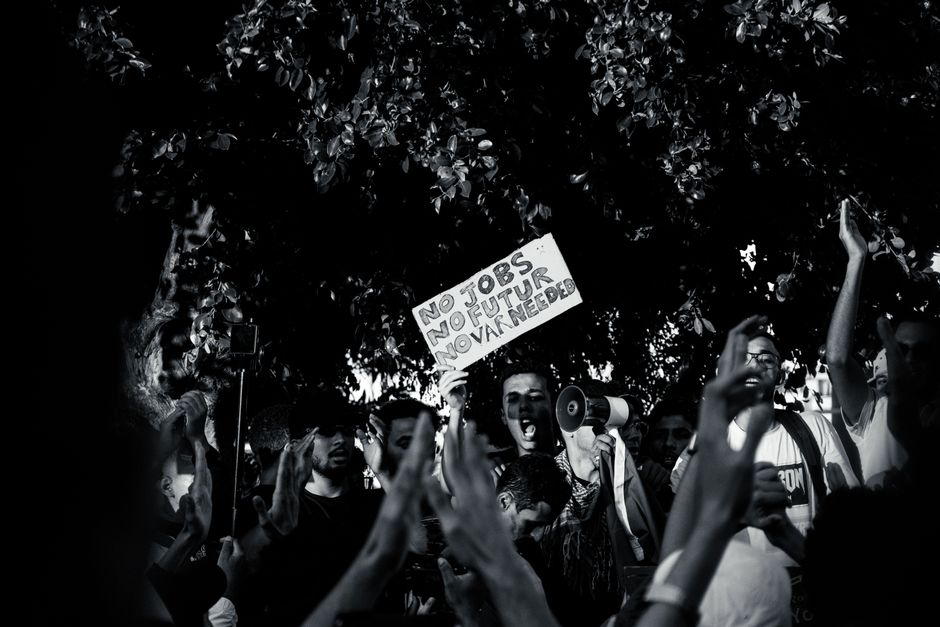
Photo by Ayoub Galuia on Pexels
Marshall and later Lim Yew Hock (who succeeded Marshall) led delegations to London to negotiate for full internal self-government. These talks were often difficult. Britain was concerned about Singapore's stability, especially given the communist threat. After several rounds of negotiations, a new constitutional agreement was reached.
graph TD
    A["Japanese Occupation Ends (1945)"] --> B["British Re-establish Rule (Crown Colony)"];
    B --> C["First Legislative Council Elections (1948)"];
    C --> D["Increasing Elected Representation & Parties Emerge (1949-1954)"];
    D --> E["Rendel Constitution (1955)"];
    E --> F["First Chief Minister (David Marshall) & Labour Front Elected (1955)"];
    F --> G["Merdeka Talks in London (11956, 1957)"];
    G --> H["Constitutional Agreement Reached (1958)"];
    H --> I["Full Internal Self-Government (1959)"];
    I --> J["PAP Wins General Election (1959)"];
    J --> K["First Prime Minister (Lee Kuan Yew)"];
The 1959 General Election and Full Internal Self-Government
The 1959 general election was historic. It was the first election for a fully elected 51-member Legislative Assembly. All adult citizens had the right to vote. The People's Action Party (PAP), led by Lee Kuan Yew, won a landslide victory. Singapore officially achieved full internal self-government. While Britain still handled defense and foreign affairs, Singapore was now largely in control of its own destiny. Lee Kuan Yew became its first Prime Minister.
3. Worked Example
Imagine the discussions between the Singaporean delegation (led by people like David Marshall or Lim Yew Hock) and the British officials during the Merdeka (freedom) talks in London in the mid-1950s.
Singaporean Negotiator (e.g., Marshall): "We've proven our capacity for self-governance with the Rendel Constitution. Our people have voted, and we have a functioning government. We demand full internal autonomy now. We need control over our finances, education, and crucially, law and order. How can we build a nation if London dictates our internal security policies?"
British Official: "We understand your aspirations for greater self-rule. However, the region faces significant communist insurgency, and Singapore's strategic importance means we must retain control over defense, foreign policy, and ultimately, internal security. We cannot risk instability. We propose a further devolution of powers, but with a safeguard for the Governor and a continued British presence in key security decisions."
Outcome: The negotiations weren't simple. They involved compromise. For instance, the 1958 agreement for the 1959 self-government still included a British-appointed Yang di-Pertuan Negara (Head of State) and a special Internal Security Council with British representation, reflecting Britain's lingering concerns about communism and stability, and their desire to protect their strategic interests. Singapore gained autonomy, but not yet complete independence.
4. Key Takeaways
- The post-WWII period saw a significant shift in Singaporean political consciousness towards self-rule.
- Britain's strategy was a gradual transfer of power, starting with limited elected representation.
- The Rendel Constitution (1955) was a major milestone, introducing a Chief Minister and an elected majority.
- Negotiations for full internal self-government involved balancing Singapore's demands with British security concerns.
- The 1959 General Election marked the achievement of full internal self-government and the rise of the PAP.
- Control over defense and foreign affairs remained with Britain even after 1959.
Common Mistakes to Avoid:
- Don't confuse "self-government" with "full independence" – 1959 was self-government, not independence.
- Don't forget the impact of the Japanese Occupation on fostering local political awareness.
- Don't underestimate the significance of the communist threat in Britain's reluctance to grant immediate full independence.
- Don't overlook the role of key individuals like David Marshall and Lee Kuan Yew in advocating for self-rule.
5. Now Try It
List the three most important constitutional milestones between 1945 and 1959 that led Singapore to self-government. For each milestone, briefly explain (in one sentence) why it was significant and what new power or representation it introduced.
Frequently asked about Singapore's Road to Self-Government (1945-1959)
Study this next
Get the full History curriculum
Clone the complete plan to your dashboard for unlimited AI-generated notes, practice quizzes, and a personalised revision schedule.
Create Free Account