Heads of Government, Heads of State, and Accountability Mechanisms
From the Unit 1 Democratic Institutions Lesson- Separation of Powers curriculum
Heads of Government, Heads of State, and Accountability Mechanisms
TL;DR
Understanding the roles of Heads of Government and Heads of State helps you see how power is distributed in different political systems. These roles often involve separate responsibilities, even when held by the same person. Various mechanisms exist to hold these powerful figures accountable for their actions.
1. The Mental Model
Imagine a company: one person might be the CEO, running daily operations, while another is the Chairperson of the Board, representing the company to outsiders. Similarly, a country often divides the job of "leading" into two key roles, each with different duties and ways they're held responsible.
2. The Core Material
In many countries, leadership isn't just one job. It's often split into two distinct roles: the Head of Government and the Head of State. Sometimes, one person holds both titles, like in the United States. Other times, they're separate individuals, as seen in many parliamentary systems.
Heads of Government
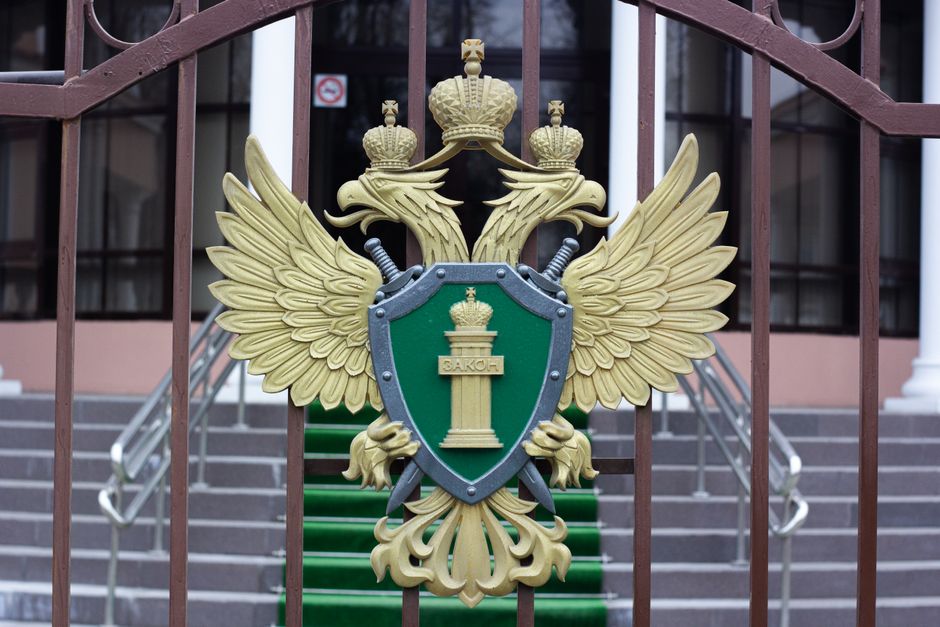
Photo by Plato Terentev on Pexels
The Head of Government is the chief executive of the government. This person is responsible for the day-to-day administration of the country. Think of them as the manager of the national team, making sure policies are implemented and government departments are running smoothly.
-
Key Responsibilities:
- Setting and implementing domestic and foreign policy.
- Overseeing government ministries and agencies.
- Managing the national budget.
- Appointing and directing cabinet ministers.
- Often leads the dominant political party in the legislature.
-
Common Titles: Prime Minister (UK, Canada, India), Chancellor (Germany), President (US, France - where they often also act as Head of State).
Heads of State
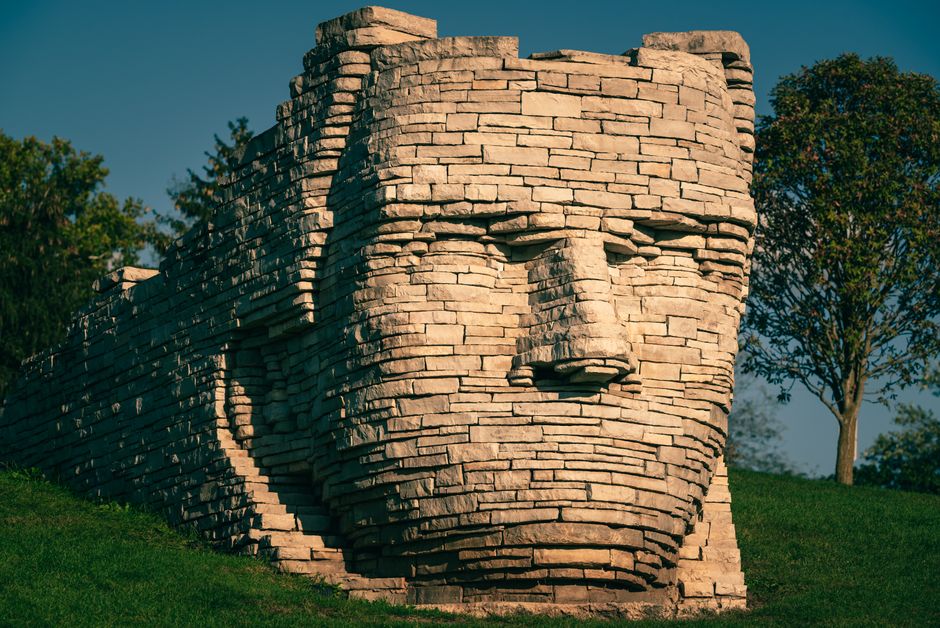
Photo by Chris F on Pexels
The Head of State represents the country both domestically and internationally. This role is often more ceremonial and symbolic, embodying the nation's identity and traditions. They're like the "face" of the country.
-
Key Responsibilities:
- Symbolic representation of the nation (e.g., hosting foreign dignitaries, awarding honors).
- Upholding the constitution and ensuring its stability.
- Acting as commander-in-chief of the armed forces (often a ceremonial power).
- Formally dissolving parliament or approving legislation (often on the advice of the Head of Government).
- Providing a sense of national unity and continuity.
-
Common Titles: President (US, France, India), Monarch/King/Queen (UK, Japan, Sweden), Governor-General (Canada, Australia).
Accountability Mechanisms

Photo by Pixabay on Pexels
Regardless of their specific role, powerful leaders need to be held accountable. These mechanisms ensure that those in power act responsibly and within the law.
- Elections: The most direct way citizens hold leaders accountable. If a Head of Government or Head of State (in presidential systems) fails to perform, they can be voted out of office.
- Legislative Oversight: Parliaments or Congresses scrutinize the government's actions. This includes questioning ministers, holding debates, and approving budgets. In parliamentary systems, a vote of no confidence can remove a Head of Government.
- Judicial Review: Courts can challenge the legality of government actions and laws, ensuring they adhere to the constitution. This is a crucial check on executive power.
- Media Scrutiny: A free and independent press plays a vital role in investigating and reporting on government activities, informing the public, and uncovering potential wrongdoing.
- Public Opinion/Protests: Citizens can voice their dissatisfaction through protests, petitions, and public discourse, influencing policy and putting pressure on leaders.
- Impeachment: A formal process, usually initiated by the legislature, to remove a Head of State or Head of Government for serious misconduct.
Here's a look at how these roles often combine or separate in different systems:
graph LR
    A["Political System Type"] --> B{Roles Combined or Separated?};

    B --> C{Combined: Head of State & Head of Government};
    C --> D["Example: Presidential Republic (e.g., USA)"];
    D --> E["President: Both ceremonial (Head of State) and executive (Head of Government)"];

    B --> F{Separated: Distinct Roles};
    F --> G["Example: Parliamentary Republic (e.g., Germany)"];
    G --> H["President: Head of State (mostly ceremonial)"];
    G --> I["Chancellor: Head of Government (executive)"];

    F --> J["Example: Constitutional Monarchy (e.g., UK)"];
    J --> K["Monarch: Head of State (mostly ceremonial)"];
    J --> L["Prime Minister: Head of Government (executive)"];
3. Worked Example
Let's consider the United Kingdom.
- Head of State: The Monarch (currently King Charles III). The King's role is largely ceremonial. He opens Parliament, assents to legislation (a formality), and acts as a symbol of the nation and the Commonwealth. He does not actively govern.
- Head of Government: The Prime Minister (currently Rishi Sunak). The Prime Minister leads the government, appoints cabinet ministers, directs policy, and is accountable to the Parliament. He leads the executive branch.
Accountability: The Prime Minister and their government are held accountable primarily through Parliament. If Parliament passes a vote of no confidence, the Prime Minister typically must resign or call a general election. The media also scrutinizes government actions, and general elections offer citizens the chance to vote out the governing party. The Monarch, while technically able to appoint and dismiss the Prime Minister, does so almost exclusively on the advice of the current government or established constitutional convention, and isn't subject to elections or votes of no confidence for their position.
4. Key Takeaways
- The Head of Government manages the country's daily operations and policy execution.
- The Head of State represents the nation, often holding a symbolic or ceremonial role.
- In some systems (e.g., presidential), one person holds both Head of Government and Head of State roles.
- In other systems (e.g., parliamentary), these roles are held by separate individuals.
- Elections are a primary method for citizens to hold leaders accountable.
- Legislatures, courts, and the media provide essential checks on executive power.
- Accountability mechanisms prevent abuse of power and ensure responsible governance.
Common Mistakes to Avoid:
- Don't confuse the Head of Government with the Head of State; they're often separate.
- Don't assume all presidents are both Head of State and Head of Government; it depends on the country's system.
- Forgetting that even ceremonial Heads of State have constitutional duties and responsibilities.
- Underestimating the power of non-electoral accountability mechanisms like judicial review or media scrutiny.
5. Now Try It
Choose two different countries you're familiar with (e.g., USA and Germany, or Canada and France). For each country, identify who holds the role of Head of Government and who holds the role of Head of State. Then, briefly explain one specific way each of those leaders (or the government they lead) can be held accountable for their actions in their respective countries.
Success looks like: Clearly identifying the correct individuals/institutions for both roles in each country, and accurately describing a relevant accountability mechanism for each example.
Frequently asked about Heads of Government, Heads of State, and Accountability Mechanisms
More from Unit 1 Democratic Institutions Lesson- Separation of Powers
Get the full Unit 1 Democratic Institutions Lesson- Separation of Powers curriculum
Clone the complete plan to your dashboard for unlimited AI-generated notes, practice quizzes, and a personalised revision schedule.
Create Free Account