Core Principles of Separation of Powers
From the Unit 1 Democratic Institutions Lesson- Separation of Powers curriculum
Core Principles of Separation of Powers
TL;DR
Separation of powers divides government functions among different branches to prevent any one part from becoming too powerful. It creates a system of checks and balances, where each branch limits the others. This structure protects individual liberties and promotes accountability in government.
1. The Mental Model
Imagine you're building a team project. Instead of one person doing everything, you split the work into different roles, like "idea generator," "designer," and "tester." Each role has specific duties and can review the others' work. This keeps everyone honest and ensures a better final product.
2. The Core Material
The separation of powers is a foundational concept in democratic governance. It's about dividing the powers of government into distinct branches, each with its own responsibilities and personnel. The main goal is to prevent the concentration of power in any single individual or group, which could lead to tyranny or abuse.
Historically, thinkers like Montesquieu articulated this idea, drawing inspiration from ancient republics and the British system. The U.S. Constitution, in particular, famously embodies this principle.
There are typically three main branches of government:
The Legislative Branch
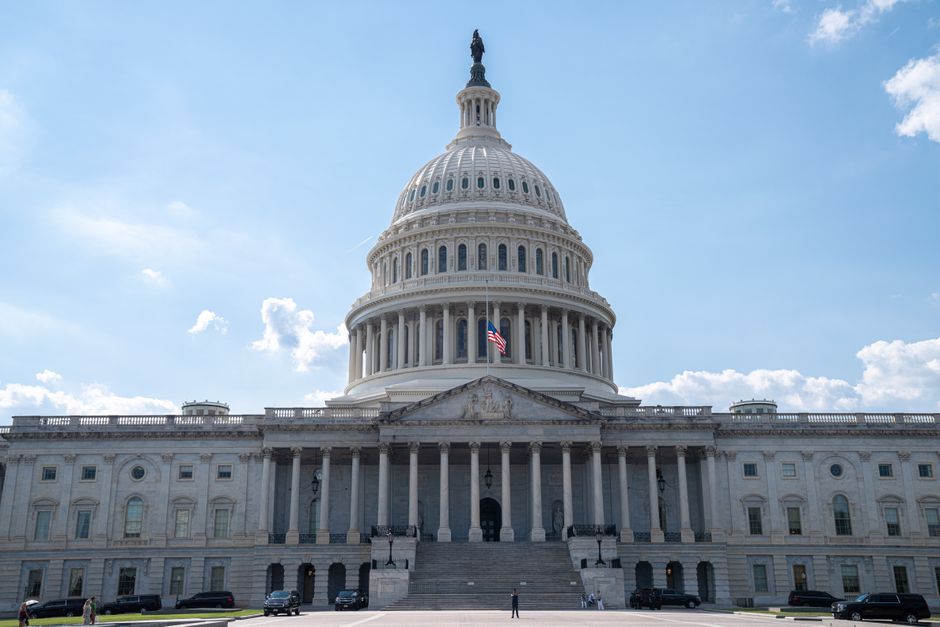
Photo by david hou on Pexels
This branch is responsible for making laws. In many countries, this is a parliament or congress, composed of elected representatives. They debate, propose, and vote on new laws, and they also control government spending.
The Executive Branch

Photo by Tom Fisk on Pexels
This branch is responsible for implementing and enforcing laws. This usually includes the head of state (like a president or prime minister) and their cabinet, government agencies, and bureaucracy. They manage day-to-day governance, conduct foreign policy, and lead the armed forces.
The Judicial Branch
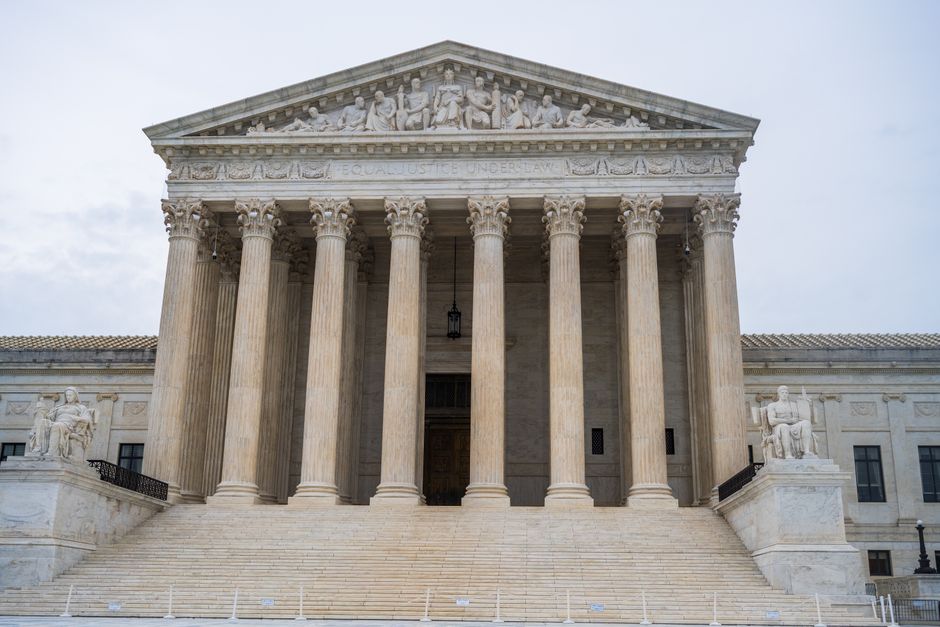
Photo by Guohua Song on Pexels
This branch is responsible for interpreting laws and ensuring they are applied fairly. This includes courts at various levels, from local to supreme courts. They hear cases, resolve disputes, and determine if laws comply with the constitution.
Checks and Balances

Photo by Ahmard Photography on Pexels
While distinct, these branches aren't entirely isolated. They interact through a system of "checks and balances." This means each branch has powers that allow it to limit or scrutinize the actions of the other two. This interconnectedness ensures no single branch can dominate.
Here's a simplified visual of how they interact:
graph LR
    A["Legislative Branch (Makes Laws)"] --> B["Executive Branch (Enforces Laws)"]
    A --> C["Judicial Branch (Interprets Laws)"]
    B --> A
    B --> C
    C --> A
    C --> B
For instance, the legislative branch can pass laws, but the executive branch can veto them. The legislative branch can then override that veto. The judicial branch can declare laws passed by the legislative branch (and signed by the executive) unconstitutional. The executive branch appoints judges, but the legislative branch must approve those appointments. This constant interplay is what keeps the system balanced.
3. Worked Example
Let's look at the process of a new law in the United States, illustrating separation of powers:
- Legislative Action: A representative in Congress (part of the legislative branch) proposes a bill to raise the minimum wage. After debate and amendments, both houses of Congress vote on and pass the bill.
- Executive Review: The passed bill is sent to the President (head of the executive branch). The President reviews it. They could sign it into law, or they could veto it. If they veto it, Congress can attempt to override the veto with a two-thirds majority vote in both houses.
- Judicial Scrutiny: Let's say the President signs the minimum wage bill into law. A company later sues, arguing that the new law is unconstitutional because it infringes on contracts. The case goes through the court system, eventually reaching the Supreme Court (judicial branch). The Supreme Court then hears arguments and decides whether the new law aligns with the Constitution. If they rule it unconstitutional, the law is struck down, despite being passed by Congress and signed by the President.
This example shows how each branch has a critical role and can check the power of the others throughout the lawmaking process.
4. Key Takeaways
- Separation of powers divides government functions into distinct branches.
- The three main branches are legislative (makes laws), executive (enforces laws), and judicial (interprets laws).
- Its primary purpose is to prevent the concentration of power and protect individual liberties.
- Checks and balances are mechanisms that allow each branch to limit the power of the others.
- This system promotes government accountability and prevents abuses of power.
Common Mistakes to Avoid:
- Don't confuse separation of powers with federalism (which divides power between national and state governments).
- Don't think the branches are completely isolated; they interact significantly through checks and balances.
- Don't assume the system is perfect; it can lead to gridlock or inefficiencies sometimes.
- Don't forget that the specific powers and interactions can vary slightly between different democratic systems.
5. Now Try It
Think about a current event where a government action is being debated or challenged. Identify which branch of government initiated the action and which branch (or branches) might be involved in checking or balancing that action. Describe the specific power or mechanism being used for that check.
What success looks like: You can clearly identify the three branches involved in your chosen event and describe at least one specific check or balance in action, explaining why it fits.
Frequently asked about Core Principles of Separation of Powers
More from Unit 1 Democratic Institutions Lesson- Separation of Powers
Get the full Unit 1 Democratic Institutions Lesson- Separation of Powers curriculum
Clone the complete plan to your dashboard for unlimited AI-generated notes, practice quizzes, and a personalised revision schedule.
Create Free Account