Understanding Parliamentary Systems and Their Structure
From the Unit 1 Democratic Institutions Lesson- Separation of Powers curriculum
Understanding Parliamentary Systems and Their Structure
TL;DR
You'll learn how parliamentary systems organize government power, focusing on the close link between the legislative and executive branches. We'll explore the key roles played by the Head of State, Head of Government, and the legislature. Understanding these structures helps you see how laws are made and how governments are formed.
1. The Mental Model
Imagine a government where the people who make the laws (Parliament) are also the ones who form the leadership (Prime Minister and Cabinet). It's like a team where the coach is chosen directly from the star players, and if the players lose confidence in the coach, they can replace them.
2. The Core Material
In a parliamentary system, the legislative branch (Parliament) and the executive branch (government led by a Prime Minister) are fused, unlike in presidential systems where they're separate. This means the executive typically comes from and is accountable to the legislature.
Head of State vs. Head of Government
Photo by Zion Smith on Pexels
It's crucial to distinguish between these two roles.
* Head of State: This is the ceremonial leader, often a monarch (like in the UK) or a president with limited political power (like in Germany or India). Their role is largely symbolic, representing the nation and ensuring constitutional continuity.
* Head of Government: This is the real political power, usually the Prime Minister (or Chancellor, Premier, etc.). They lead the executive branch, forming the government, setting policy, and overseeing its implementation. They are typically the leader of the party (or coalition of parties) that holds the most seats in the legislature.
Formation of Government

Photo by Paweł L. on Pexels
After an election, the party (or coalition) that wins a majority of seats in the legislature forms the government. Their leader becomes the Prime Minister. If no single party wins a majority, parties often form a coalition government to achieve a working majority.
Accountability and Dissolution

Photo by RDNE Stock project on Pexels
The executive (Prime Minister and Cabinet) remains in power only as long as they maintain the "confidence" of the legislature. If the legislature passes a "vote of no confidence," the government must resign, and usually, new elections are called. Conversely, the Prime Minister often has the power to dissolve Parliament and call an early election. This keeps both branches highly interconnected and mutually accountable.
Here's a simplified view of the structure:
graph TD
    A["Voters"] --> B["Elect Legislature (Parliament)"]
    B --> C["Largest Party/Coalition"]
    C --> D["Leader Becomes Prime Minister (Head of Government)"]
    D --> E["Forms Cabinet (Executive)"]
    C --> F["Opposition Parties"]
    E --"Accountable to"--> B
    D --"Can Advise to Dissolve"--> G["Head of State (Ceremonial)"]
    G --"Formally Appoints/Dissolves"--> D
Roles of the Legislature
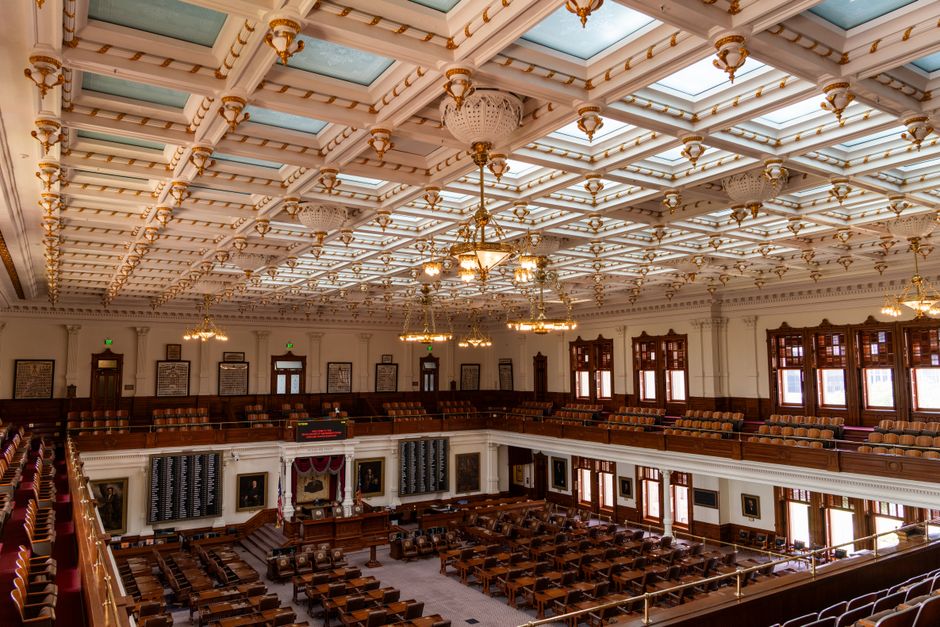
Photo by Brett A on Pexels
Besides forming the government, the legislature's main functions include:
* Law-making: Debating, amending, and passing laws.
* Representation: Representing the interests of their constituents.
* Oversight: Scrutinizing the actions of the executive branch and holding them accountable.
3. Worked Example
Let's consider the UK system. After a general election, suppose the Conservative Party wins 350 out of 650 seats in the House of Commons (the legislature).
1. The leader of the Conservative Party would be invited by the monarch (Head of State) to become the Prime Minister (Head of Government).
2. The Prime Minister then appoints members of their party from the House of Commons (and sometimes the House of Lords) to serve in the Cabinet, forming the executive branch.
3. This government then proposes laws, which are debated and voted on by the House of Commons and House of Lords.
4. If, at some point, the Conservative government loses a crucial vote in the House of Commons (e.g., a budget vote or a vote of no confidence), they might be forced to resign, potentially leading to another election.
4. Key Takeaways
- In parliamentary systems, the executive and legislative branches are fused, with the executive emerging from the legislature.
- The Head of State is largely ceremonial, while the Head of Government (Prime Minister) holds the real political power.
- The government's continued power depends on maintaining the confidence of the legislature.
- Legislatures in these systems are responsible for law-making, representation, and holding the government accountable.
- Coalition governments are common when no single party wins an outright majority.
Common Mistakes to Avoid:
- Confusing the Head of State with the Head of Government; they're distinct roles.
- Thinking that the Prime Minister is directly elected by the entire population (they're elected as a legislator, and then their party's success leads to their premiership).
- Underestimating the power of a "vote of no confidence" to bring down a government.
- Assuming all parliamentary systems are identical; there are variations (e.g., bicameral vs. unicameral legislatures).
5. Now Try It
Spend 15 minutes researching the parliamentary system of a country you're interested in (e.g., Canada, Germany, Japan, India, Australia). Identify who currently serves as the Head of State and the Head of Government. Determine which party or coalition currently forms the government, and briefly note one way the legislature holds the executive accountable in that specific country.
What success looks like: You can clearly articulate the names and roles of both the Head of State and Head of Government for your chosen country, identify the ruling party/coalition, and describe a specific accountability mechanism unique to its system (e.g., specific parliamentary committees, types of votes).
Frequently asked about Understanding Parliamentary Systems and Their Structure
More from Unit 1 Democratic Institutions Lesson- Separation of Powers
Get the full Unit 1 Democratic Institutions Lesson- Separation of Powers curriculum
Clone the complete plan to your dashboard for unlimited AI-generated notes, practice quizzes, and a personalised revision schedule.
Create Free Account