Introduction to the Renaissance and Humanism
From the The renaissance curriculum
Introduction to the Renaissance and Humanism
TL;DR
The Renaissance was a period of rebirth in Europe, marking a shift from the medieval focus on the afterlife to a new appreciation for human potential and classical antiquity. Humanism, a core philosophy of this era, emphasized human value and achievement, driving innovations in art, science, and thought. This period laid the groundwork for the modern world by prioritizing reason, individual worth, and worldly pursuits.
1. The Mental Model
Think of the Renaissance as Europe waking up from a long, quiet sleep and rediscovering its love for learning and creativity, inspired by ancient Greece and Rome. Humanism was the spark that ignited this awakening, pushing people to value human achievements and life on Earth. It was a time when humans started seeing themselves as capable and important, not just as tiny specks in a grand divine plan.
2. The Core Material
What was the Renaissance?
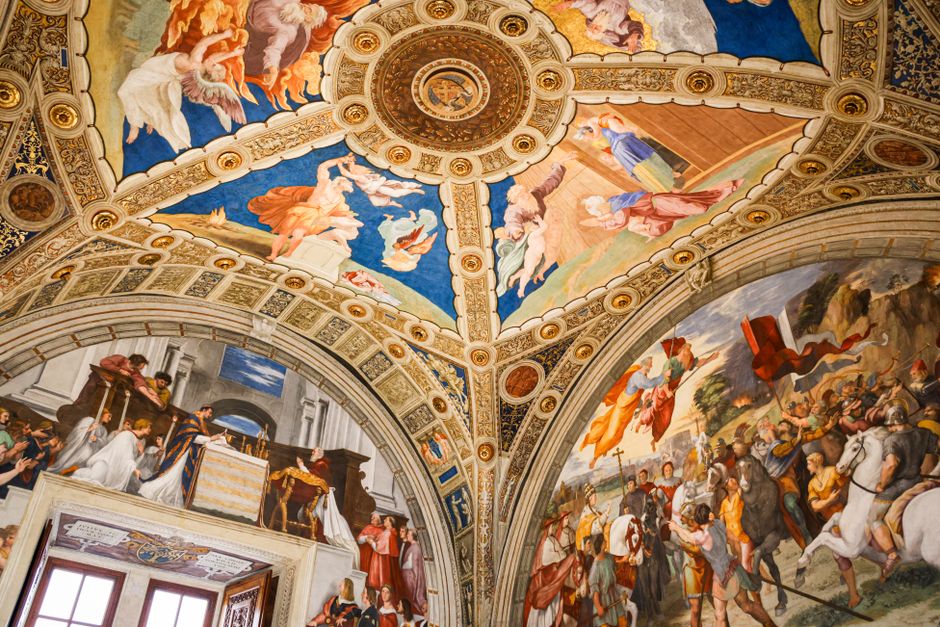
Photo by Magda Ehlers on Pexels
The word "Renaissance" literally means "rebirth" in French. It was a period in European history from roughly the 14th to the 17th century. After the Middle Ages, which were often characterized by a focus on religious dogma and a perceived decline in classical learning, the Renaissance saw a renewed interest in the art, literature, and philosophy of ancient Greece and Rome.
This rebirth wasn't just about looking back; it was about integrating classical ideas with Christian faith and applying them to contemporary life. It led to incredible advancements in art (think Michelangelo and Leonardo da Vinci), science (Copernicus, Galileo), and literature (Shakespeare). Italy, particularly Florence, was the birthplace and heartland of the Renaissance before it spread across Europe.
What is Humanism?

Photo by Ann H on Pexels
Humanism was the intellectual movement at the heart of the Renaissance. It wasn't a religion, but a philosophy that shifted focus from purely spiritual matters to the potential and achievements of human beings.
Before humanism, medieval thought often emphasized humanity's fallen nature and the fleetingness of earthly life, with the primary goal being salvation in the afterlife. Humanists, however, celebrated human capabilities, reason, and the beauty of the natural world. They believed that humans had the capacity for great things and that life on Earth was valuable and worth experiencing fully.
Key aspects of Humanism include:
* Emphasis on classical texts: Humanists diligently sought out, studied, and translated ancient Greek and Roman manuscripts. They believed these texts held wisdom for living a virtuous and fulfilling life.
* Focus on individual worth and dignity: This led to a greater appreciation for individual talent and ambition, often seen in the rise of famous artists, scholars, and patrons.
* Belief in education: Humanists advocated for a broad education (the "liberal arts") that included grammar, rhetoric, poetry, history, and moral philosophy, aimed at developing well-rounded, virtuous citizens.
* Secular (worldly) concerns: While most humanists remained religious, they were interested in worldly matters like politics, civic duty, and artistic expression, rather than solely focusing on the afterlife.
graph TD
    A["Decline of Classical Learning (Middle Ages)"] --> B["Growing Trade & Wealth (Italian City-States)"]
    B --> C["Rediscovery of Classical Texts (Humanism)"]
    C --> D["Shift in Focus: Divine to Human Potential"]
    D --> E["Patronage of Arts & Sciences"]
    E --> F["Artistic, Scientific & Literary Innovation"]
    F --> G["The Renaissance: A Rebirth"]
3. Worked Example
Let's look at a concrete example of humanism in action:
Petrarch (1304–1374) is often called the "Father of Humanism." He was deeply religious but also obsessed with classical antiquity. He spent years searching for and copying ancient Latin manuscripts, like the letters of Cicero. He didn't just copy them; he studied their style, language, and the moral lessons within them.
Petrarch's key innovation was to see these classical texts not just as relics but as models for living a meaningful life in his own time. He wrote eloquent letters and poems that blended classical ideals with Christian virtues, demonstrating that one could appreciate worldly beauty and human achievement without abandoning faith. His famous collection of poems, Canzoniere, though primarily about love, shows a deep introspection and focus on human emotion that reflects humanist sensibilities. He championed the idea of ad fontes ("to the sources") – going back to the original classical texts, rather than relying on medieval interpretations.
4. Key Takeaways
- The Renaissance was a "rebirth" of interest in classical Greek and Roman culture, art, and philosophy.
- It marked a significant shift from the medieval focus on the afterlife to an appreciation for human potential and worldly achievements.
- Humanism was the core intellectual movement, emphasizing human worth, reason, and the value of a broad education.
- Italian city-states, especially Florence, were crucial centers for the early Renaissance due to wealth and intellectual freedom.
- Key figures like Petrarch spearheaded the rediscovery and study of ancient texts, blending them with contemporary thought.
- Innovations in art, science, and literature flourished under the humanist philosophy.
Common Mistakes to Avoid:
- Don't confuse humanism with atheism; most humanists were devout Christians.
- Don't think the Renaissance was a sudden, complete break from the Middle Ages; it was a gradual transition.
- Don't assume everyone in Europe experienced the Renaissance at the same time or in the same way.
- Don't believe humanism dismissed all religious ideas; it often sought to integrate them with classical wisdom.
5. Now Try It
Spend 15 minutes researching one prominent Renaissance artist (e.g., Leonardo da Vinci, Michelangelo, Raphael) or writer (e.g., Niccolò Machiavelli, William Shakespeare). Find one specific example of their work (a painting, sculpture, or book) and explain in your own words how it demonstrates the influence of humanist ideas, focusing on how it celebrates human potential, reason, or a renewed interest in classical forms or themes.
Success looks like: You can clearly articulate a connection between a specific Renaissance work and at least one core principle of humanism.
Frequently asked about Introduction to the Renaissance and Humanism
Study this next
Get the full The renaissance curriculum
Clone the complete plan to your dashboard for unlimited AI-generated notes, practice quizzes, and a personalised revision schedule.
Create Free Account