Gas Exchange in Plants
From the Sci curriculum
Gas Exchange in Plants
TL;DR
Plants breathe too, but they exchange gases through tiny pores called stomata, primarily taking in carbon dioxide for food production and releasing oxygen. This process is essential for photosynthesis and respiration, balancing the plant's energy needs. Water loss through transpiration is an unavoidable side effect of having open stomata.
1. The Mental Model
Think of a plant's leaves as having many tiny mouths that open and close. These "mouths" (stomata) let the plant "inhale" carbon dioxide and "exhale" oxygen, much like you do with your lungs, but for very different reasons and with a key trade-off: water loss.
2. The Core Material
Gas exchange in plants involves the movement of gases like carbon dioxide (CO2), oxygen (O2), and water vapor (H2O) between the plant and its environment. This primarily happens through small pores called stomata (singular: stoma), found mostly on the underside of leaves.
2.1 Stomata: The Gates of Gas Exchange

Photo by Fayette Reynolds M.S. on Pexels
Stomata are the main entry and exit points for gases. Each stoma is flanked by two specialized cells called guard cells. These guard cells control the opening and closing of the stoma. When guard cells take in water, they swell and bow outwards, opening the stoma. When they lose water, they become flaccid, and the stoma closes.
The opening and closing of stomata are influenced by several factors:
* Light: Stomata generally open in light to allow CO2 uptake for photosynthesis.
* CO2 Concentration: Low internal CO2 levels often trigger stomatal opening.
* Water Availability: If the plant is losing too much water or is under drought stress, stomata will close to conserve water, even if it means reducing photosynthesis.
2.2 Photosynthesis: CO2 In, O2 Out
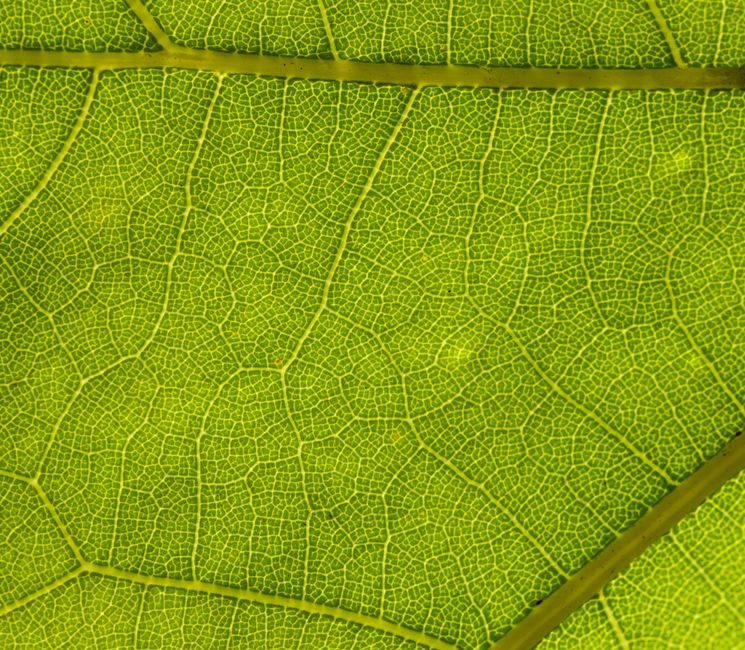
Photo by Petr Ganaj on Pexels
During photosynthesis, plants use sunlight, water, and carbon dioxide to create glucose (sugar) for energy and release oxygen as a byproduct. CO2 enters through open stomata, diffuses into the leaf cells, and is used in the chloroplasts. The O2 produced then diffuses out through the stomata.
2.3 Respiration: O2 In, CO2 Out
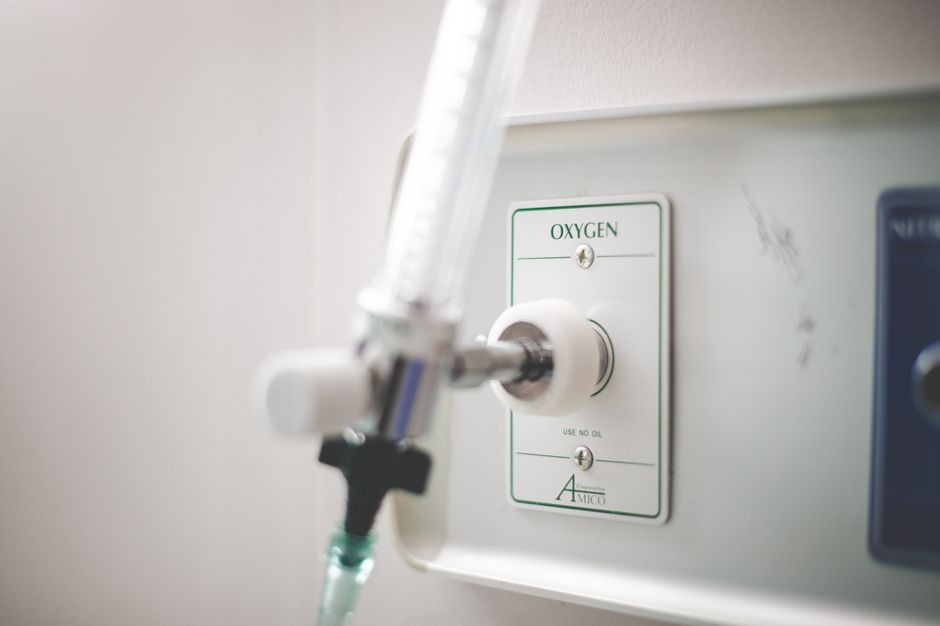
Photo by Stephen Andrews on Pexels
Plants also respire, just like animals. This process breaks down the glucose they've made (or stored) to release energy for growth and other life processes. Respiration involves taking in oxygen and releasing carbon dioxide. This happens continuously, day and night, but the net gas exchange during the day is usually dominated by photosynthesis.
2.4 Transpiration: The Water Loss Trade-off
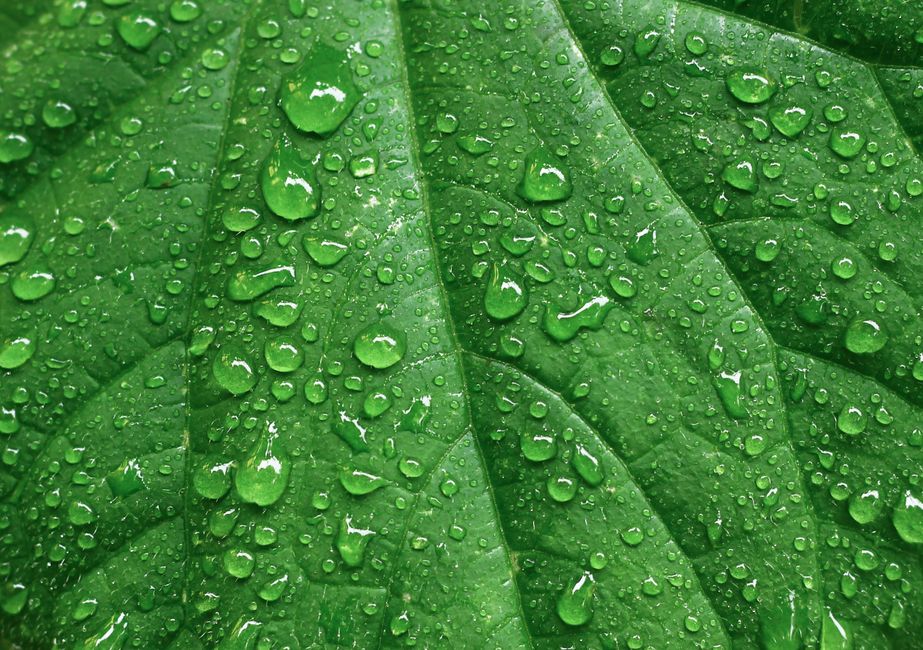
Photo by Orhan Namlı on Pexels
When stomata are open to allow CO2 in for photosynthesis, water vapor unavoidably escapes from the leaf into the atmosphere. This process is called transpiration. While some transpiration helps pull water up from the roots (transpirational pull), excessive water loss can lead to wilting and dehydration, forcing the plant to close its stomata, which then limits photosynthesis.
Here's how these processes relate:
graph TD
    A["Sunlight"] --> B["Photosynthesis"];
    C["Water (from roots)"] --> B;
    D["CO2 (from atmosphere)"] --> B;
    B --> E["Glucose (food for plant)"];
    B --> F["O2 (released to atmosphere)"];
    E --> G["Respiration"];
    F --> G;
    G --> H["Energy for plant"];
    G --> D2["CO2 (released, some used by Photosynthesis)"];
    D --> S["Stomata (open)"];
    F --> S;
    F_in["O2 (from atmosphere)"] --> G;
    S --> T["Transpiration (water vapor loss)"];
    C --> T;
3. Worked Example
Let's consider a sunflower plant on a warm, sunny day.
- Morning Sun: As the sun rises, light hits the sunflower leaves. Guard cells detect the light and start to take in water, causing them to swell and open the stomata.
- CO2 Uptake: With open stomata, CO2 from the atmosphere diffuses into the leaf's air spaces and then into the cells. This CO2 is immediately used by the chloroplasts for photosynthesis.
- Oxygen Release: As photosynthesis occurs, oxygen is produced. This oxygen diffuses out of the leaf through the open stomata into the atmosphere.
- Water Vapor Loss (Transpiration): At the same time, because the stomata are open, water vapor from inside the leaf (where it's relatively humid) escapes into the drier air outside. This water loss is significant, especially on a warm day.
- Afternoon Heat/Drought Stress: If the day becomes very hot and dry, or if the soil moisture runs low, the plant might start to lose water faster than its roots can absorb it. The guard cells will then begin to lose water and become flaccid, causing the stomata to close.
- Reduced Exchange: With closed stomata, water loss is minimized, but CO2 uptake also stops, severely limiting photosynthesis. The plant prioritizes survival over food production in this scenario.
4. Key Takeaways
- Plants exchange gases primarily through tiny pores called stomata on their leaves.
- Stomata are controlled by guard cells, which open and close based on light, CO2 levels, and water availability.
- During photosynthesis, plants take in CO2 and release O2.
- During respiration, plants take in O2 and release CO2.
- Transpiration is the unavoidable loss of water vapor when stomata are open for gas exchange.
- Plants must balance the need for CO2 uptake with the need to conserve water.
-
The net gas exchange during the day is typically CO2 intake and O2 release due to dominant photosynthesis.
-
Common Mistakes to Avoid:
- Thinking plants only respire at night; they respire continuously.
- Forgetting that transpiration is directly linked to stomatal opening.
- Assuming gas exchange is a simple, passive process without regulation.
- Not understanding that a plant's choice to open/close stomata is a critical survival mechanism.
5. Now Try It
Take a potted plant (any leafy plant will do, like a houseplant). Observe it over the course of a day. Imagine what's happening at the stomata level during different times: early morning, midday sun, and evening. Think about how the plant is balancing its need for carbon dioxide with its need to conserve water. What would you expect the stomata to be doing if the plant looks a bit droopy?
What success looks like: You can explain how light, CO2 availability, and water availability would influence the opening and closing of the stomata throughout the day for your chosen plant, and articulate the trade-offs involved in each state.
Frequently asked about Gas Exchange in Plants
Study this next
Get the full Sci curriculum
Clone the complete plan to your dashboard for unlimited AI-generated notes, practice quizzes, and a personalised revision schedule.
Create Free Account