Interdependence of Photosynthesis, Respiration, and Gas Exchange
From the Sci curriculum
Interdependence of Photosynthesis, Respiration, and Gas Exchange
TL;DR
Photosynthesis and respiration are opposite but connected processes that living things use to get energy and grow. They rely on each other, constantly exchanging gases like carbon dioxide and oxygen. This balance is crucial for life on Earth, influencing the air we breathe.
1. The Mental Model
Think of it like a global recycling system. Plants take in something from the air and sunlight to make their food, and then they (and animals) release something else back into the air when they use that food. It's a continuous give-and-take.
2. The Core Material
You've probably heard of photosynthesis and respiration, but it's key to understand how deeply connected they are. They're like two sides of the same biological coin, constantly interacting through the gases they produce and consume.
Photosynthesis: Making Food
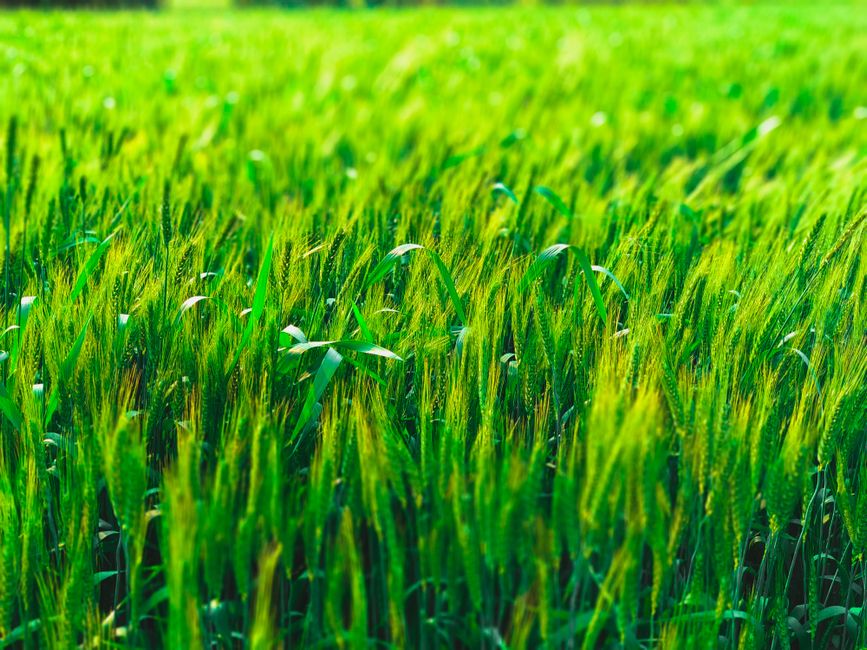
Photo by Sourabh Yadav on Pexels
Photosynthesis is how plants, algae, and some bacteria make their own food (sugars) using sunlight. They take in carbon dioxide (CO2) from the air and water (H2O) from the soil. Sunlight provides the energy to transform these into glucose (C6H12O6), which is their energy source, and oxygen (O2) as a byproduct. This oxygen is then released into the atmosphere.
The simplified "recipe" for photosynthesis is:
Carbon Dioxide + Water + Sunlight Energy → Glucose + Oxygen
Respiration: Using Food
Photo by Vitaly Gariev on Pexels
Cellular respiration is the process all living organisms (plants, animals, fungi, bacteria) use to break down glucose and release the stored energy for their life activities. They take in oxygen (O2) from the air and use it to break down glucose (C6H12O6). This process releases energy (ATP), and produces carbon dioxide (CO2) and water (H2O) as byproducts. The carbon dioxide is then released back into the atmosphere.
The simplified "recipe" for respiration is:
Glucose + Oxygen → Energy + Carbon Dioxide + Water
Gas Exchange: The Constant Swap
Photo by Ron Lach on Pexels
Notice the byproducts of one process are the starting materials for the other? This is the core of their interdependence and gas exchange. Plants photosynthesize, taking in CO2 and releasing O2. Animals (and plants when they're not photosynthesizing, like at night) respire, taking in O2 and releasing CO2. This creates a natural cycle of gases in the atmosphere.
During the day, plants usually photosynthesize more than they respire, meaning there's a net release of oxygen and uptake of carbon dioxide. At night, or in parts of the plant without light, only respiration occurs, so they take in oxygen and release carbon dioxide. Animals, of course, are always respiring.
This constant exchange maintains a relatively stable balance of oxygen and carbon dioxide in the Earth's atmosphere, which is essential for almost all life.
graph LR
    Sunlight["Sunlight"] --> Photosynthesis;
    Photosynthesis --> Glucose["Glucose (Food)"];
    Photosynthesis --> Oxygen["Oxygen"];
    CarbonDioxide["Carbon Dioxide"] --> Photosynthesis;
    Water["Water"] --> Photosynthesis;

    Glucose --> Respiration;
    Oxygen --> Respiration;
    Respiration --> Energy["Energy (ATP)"];
    Respiration --> CarbonDioxide;
    Respiration --> Water;

    Atmosphere["Atmosphere"] -- "Releases" --> Oxygen;
    Atmosphere -- "Absorbs" --> CarbonDioxide;
    Oxygen -- "Absorbed by" --> Respiration;
    CarbonDioxide -- "Released by" --> Respiration;
    Oxygen -- "Released by" --> Photosynthesis;
    CarbonDioxide -- "Absorbed by" --> Photosynthesis;
3. Worked Example
Imagine a sealed terrarium with a small plant and a snail inside.
1. During the day: The plant uses sunlight to photosynthesize. It takes in carbon dioxide (released by the snail) and water, producing glucose for itself and oxygen. The snail breathes this oxygen.
2. During the night: Without sunlight, the plant stops photosynthesizing. Both the plant and the snail are now only respiring. They both take in oxygen (produced by the plant during the day) and release carbon dioxide.
3. Balance: As long as there's enough light for the plant to produce more oxygen than both it and the snail consume during respiration, and enough carbon dioxide for the plant to use, the terrarium's mini-ecosystem can sustain itself for a long time. The gases are constantly being exchanged and reused within the closed system.
4. Key Takeaways
- Photosynthesis uses carbon dioxide and water to produce glucose and oxygen, driven by sunlight.
- Respiration uses glucose and oxygen to produce energy, carbon dioxide, and water.
- These two processes are directly linked because the products of one are the reactants of the other.
- Gas exchange involves plants taking in CO2 and releasing O2, while animals (and plants during respiration) take in O2 and release CO2.
- This interdependence creates a vital atmospheric balance of oxygen and carbon dioxide.
- The energy flow from the sun, captured by photosynthesis, powers most life on Earth through glucose.
Common Mistakes to Avoid

Photo by KATRIN BOLOVTSOVA on Pexels
- Thinking only animals respire; plants respire too, 24/7.
- Believing plants only release oxygen; they release CO2 during respiration (especially at night).
- Confusing photosynthesis as just "breathing in CO2"; it's a complex food-making process.
- Forgetting that water is both a reactant in photosynthesis and a product of respiration.
5. Now Try It
Think about a large forest. Over a 24-hour period, what would you expect to happen to the levels of carbon dioxide and oxygen within the forest canopy, compared to the open air outside, and why? What would happen if a large portion of the forest was cut down? Describe what success looks like in your explanation of gas changes over time and the impact of deforestation on this balance.
Frequently asked about Interdependence of Photosynthesis, Respiration, and Gas Exchange
Study this next
Get the full Sci curriculum
Clone the complete plan to your dashboard for unlimited AI-generated notes, practice quizzes, and a personalised revision schedule.
Create Free Account