Introduction to Historical Study and Early Civilizations
From the history curriculum
Introduction to Historical Study and Early Civilizations
TL;DR
History isn't just dates; it's understanding why things happened by looking at sources. Early civilizations laid the groundwork for how societies are structured today. You'll learn to think like a historian, examining evidence to build your own understanding of the past.
1. The Mental Model
Think of yourself as a detective. You're not just reading a story; you're finding clues (sources), piecing them together, and figuring out what really went down and why.
2. The Core Material
History isn't a collection of facts to memorize; it's a way of thinking about the past. You'll learn to interpret evidence and understand cause and effect.
What is History?

Photo by Ann H on Pexels
History is the study of the past, focusing on human societies, events, and developments over time. It's about understanding change and continuity.
Why Study History?

Photo by Ann H on Pexels
Studying history helps you understand the present, anticipate future challenges, and develop critical thinking skills by evaluating different perspectives and evidence. It gives you context for everything else.
Primary vs. Secondary Sources

Photo by RDNE Stock project on Pexels
This is crucial.
* Primary Sources: These are first-hand accounts or artifacts from the time period you're studying. Think diaries, letters, government documents, photographs, tools, or pottery. They offer direct evidence.
* Secondary Sources: These are analyses or interpretations of primary sources, often created long after the event. Textbooks, articles by historians, or documentaries are examples. They offer an expert's perspective, but it's still an interpretation.
graph TD
    A["Historical Event / Era"] --> B["Primary Sources (Direct Evidence)"]
    B --> C["Historian's Analysis / Interpretation"]
    C --> D["Secondary Sources (Interpreted Evidence)"]
    D --> E["Your Understanding (Critical Evaluation)"]
    B -- "Often shaped by" --> D
Early Civilizations: The Foundations
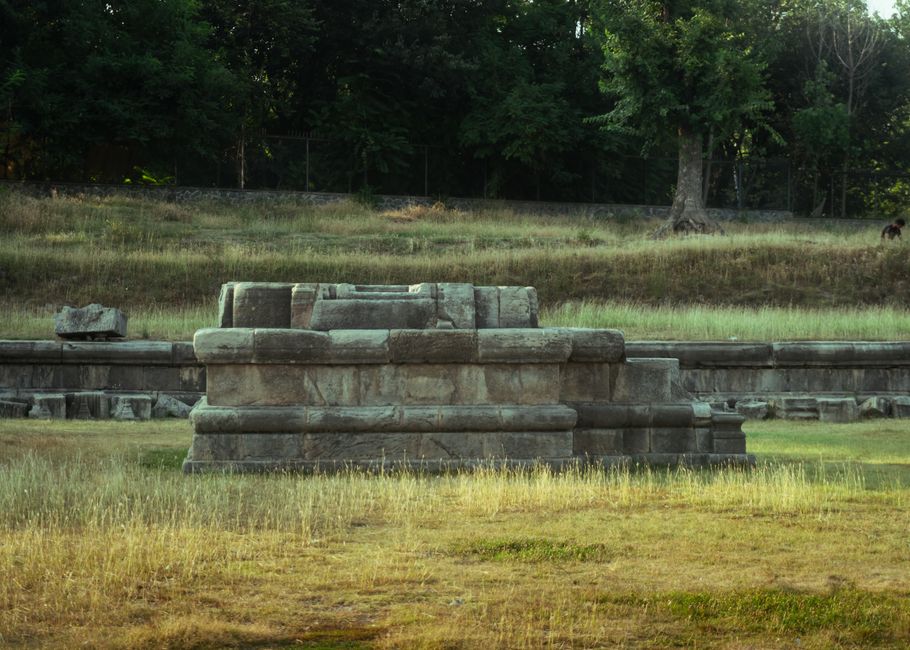
Photo by Vikas Lone on Pexels
Before about 3000 BCE, people generally lived in smaller, nomadic groups. "Civilization" implies a more complex society with certain characteristics.
* Key Characteristics:
* Large Population Centers: Cities emerged.
* Specialized Labor: People did more than just farm (e.g., artisans, priests, soldiers).
* Monumental Architecture: Big buildings like temples or pyramids.
* Record Keeping: Writing systems developed to manage complex societies (trade, laws, taxes).
* Complex Institutions: Governments, religions, and social hierarchies.
* Advanced Technology: Innovations in farming, irrigation, metallurgy.
- Where They Started: These often began in river valleys, which provided fertile land for agriculture and water for irrigation.
- Mesopotamia: "Land between the rivers" (Tigris and Euphrates) - Sumerians, Babylonians. Developed cuneiform, first law codes (Hammurabi).
- Ancient Egypt: Nile River - Pharaohs, pyramids, hieroglyphs.
- Indus Valley Civilization: Indus River (modern Pakistan/India) - Planned cities (Harappa, Mohenjo-Daro), advanced sanitation.
- Ancient China: Yellow and Yangtze Rivers - Dynasties, philosophical traditions.
3. Worked Example
Imagine you're studying daily life in ancient Egypt.
* Primary Source: You find an actual ancient Egyptian hieroglyphic inscription on a tomb wall depicting farming scenes, or an actual pottery shard used for daily cooking. This tells you directly what they did.
* Secondary Source: You read a chapter in a history textbook titled "Daily Life of a Farmer in Ancient Egypt." This chapter uses information from many primary sources (like the inscription) to explain what daily life was like.
Your task is to use the primary source to evaluate if the textbook's description is accurate or if it's missing something. You're not just taking the textbook's word for it; you're checking its evidence.
4. Key Takeaways
- History is a dynamic field of inquiry, not just memorization of facts and dates.
- Understanding the difference between primary and secondary sources is fundamental to historical study.
- Early civilizations were complex societies that developed core features like cities, writing, and organized government.
- The geography of river valleys was crucial for the development of the earliest civilizations.
-
Critical thinking and evidence evaluation are at the heart of historical analysis.
-
Don't confuse a secondary source with the historical event itself; it's an interpretation.
- Avoid treating historical accounts as absolute truths without questioning their sources.
- Don't assume that ancient people thought exactly like modern people do.
- Don't underestimate the impact of geography on early human development.
5. Now Try It
Choose one early civilization (e.g., Mesopotamia, Egypt, Indus Valley, China). Spend 15 minutes researching it online. Find one example of a primary source and one example of a secondary source related to that civilization. Describe what each source is and how they differ in the information they provide about the civilization.
Success looks like: You can clearly identify both types of sources and explain how one gives direct insight while the other provides an interpretation or analysis.
Frequently asked about Introduction to Historical Study and Early Civilizations
Study this next
Get the full history curriculum
Clone the complete plan to your dashboard for unlimited AI-generated notes, practice quizzes, and a personalised revision schedule.
Create Free Account