Denitrification and Anammox
From the nitrogen cycle curriculum
Denitrification and Anammox
TL;DR
Denitrification is when microbes turn nitrates back into nitrogen gas, removing it from ecosystems. Anammox is a special process where some bacteria directly combine ammonium and nitrite to form nitrogen gas. Both processes are crucial for balancing nitrogen levels, especially in oxygen-poor environments.
1. The Mental Model
Imagine nitrogen as a resource that cycles through different forms in nature. Denitrification and Anammox are like "exit doors" in this cycle, converting usable nitrogen forms back into atmospheric nitrogen gas. They essentially reset the nitrogen, preventing too much buildup of its compounds.
2. The Core Material
You've learned how nitrogen gas (N₂) is "fixed" into usable forms like ammonia (NH₃) and then converted to nitrites (NO₂⁻) and nitrates (NO₃⁻) through nitrification. Now, let's look at how these usable forms can be returned to the atmosphere as N₂.
Denitrification
Denitrification is a microbial process where bacteria use nitrates (NO₃⁻) instead of oxygen for respiration when oxygen isn't available. They essentially "breathe" nitrate, converting it through several steps back into nitrogen gas (N₂), which then escapes into the atmosphere. This process typically happens in anaerobic (oxygen-poor) conditions like waterlogged soils, sediments, or wastewater treatment plants.
The general pathway looks like this:
NO₃⁻ (Nitrate) → NO₂⁻ (Nitrite) → NO (Nitric Oxide) → N₂O (Nitrous Oxide) → N₂ (Nitrogen Gas)
Each step is usually catalyzed by different enzymes and different types of bacteria. It's an important way for nitrogen to leave an ecosystem.
Anammox (Anaerobic Ammonium Oxidation)
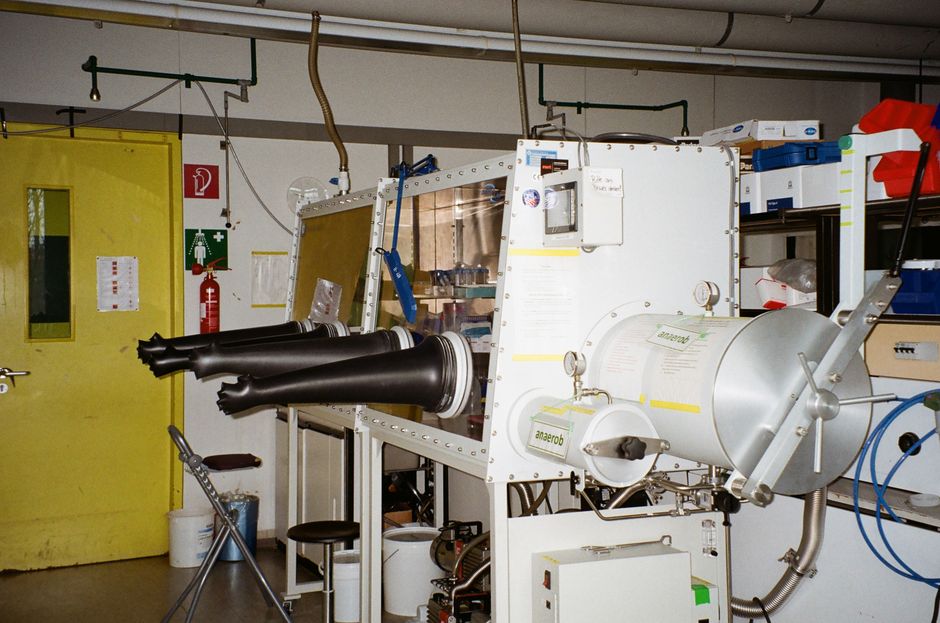
Photo by Alexey K. on Pexels
Anammox is a more recently discovered and fascinating process. It's carried out by a specific group of bacteria in oxygen-free conditions. Unlike denitrification, Anammox bacteria directly combine ammonium (NH₄⁺) and nitrite (NO₂⁻) to produce nitrogen gas (N₂) and water.
NH₄⁺ + NO₂⁻ → N₂ + 2H₂O
This is a very efficient way to remove nitrogen from systems, particularly in wastewater treatment, because it doesn't require an external carbon source, unlike traditional denitrification, and it doesn't require aeration.
Here's how these two pathways fit into the overall nitrogen cycle:
graph TD
    A["Atmospheric N2"] --> B["Nitrogen Fixation (NH3)"];
    B --> C["Nitrification (NH4+ -> NO2- -> NO3-)"];
    C --"Denitrification"--> E["Atmospheric N2 (via NO3-)"];
    C --"Nitrite (NO2-) reduction"--> D["Nitrite (NO2-)"];
    D --"Anammox"--> E["Atmospheric N2 (via NH4+ + NO2-)"];
    B --"Ammonification"--> F["Ammonium (NH4+)"];
    F --"Anammox"--> E;
    style E fill:#f9f,stroke:#333,stroke-width:2px;
    style B fill:#ccf,stroke:#333,stroke-width:2px;
    style C fill:#ccf,stroke:#333,stroke-width:2px;
    style D fill:#ccf,stroke:#333,stroke-width:2px;
    style F fill:#ccf,stroke:#333,stroke-width:2px;
Notice how both denitrification and Anammox ultimately lead back to atmospheric N₂. They are crucial for completing the cycle and preventing an excess accumulation of nitrogen compounds in water and soil.
3. Worked Example
Imagine you have a pond that has become polluted with too much nitrate from agricultural runoff. The bottom sediments of this pond are anaerobic (without oxygen).
- Nitrate enters the anaerobic sediment: The excess NO₃⁻ from the runoff seeps into the oxygen-poor sediment.
- Denitrifying bacteria get to work: Microbes in the sediment that can use NO₃⁻ as an electron acceptor (instead of O₂) start converting it.
- Nitrogen gas released: They'll convert the NO₃⁻ through NO₂⁻, NO, and N₂O, eventually releasing N₂ gas bubbles into the water column and then the atmosphere. This process effectively removes the excess nitrate from the pond environment.
- Anammox contribution (if conditions are right): If there are also sufficient ammonium ions (NH₄⁺) present in the anaerobic zones, and the right Anammox bacteria are present, they will concurrently combine NH₄⁺ and NO₂⁻ to directly produce more N₂ gas, further helping to clean up the nitrogen pollution.
4. Key Takeaways
- Denitrification is the conversion of nitrate (NO₃⁻) to nitrogen gas (N₂) by microbes in anaerobic conditions.
- Denitrification is an important process for removing excess nitrogen from ecosystems and returning it to the atmosphere.
- Anammox is a unique process where specific bacteria combine ammonium (NH₄⁺) and nitrite (NO₂⁻) directly into nitrogen gas (N₂).
- Both processes are crucial for completing the global nitrogen cycle and are used in wastewater treatment.
- They primarily occur in environments with low or no oxygen.
- Denitrification often requires a carbon source, while Anammox does not.
Common mistakes to avoid:
- Confusing denitrification with nitrification; they are opposite processes.
- Forgetting that both processes require anaerobic conditions.
- Thinking Anammox produces nitrate or nitrite; it consumes them.
- Assuming denitrification always converts nitrate directly to N₂; there are intermediate steps.
5. Now Try It
Think about a swampy wetland area. On a piece of paper, draw a simple diagram showing how nitrate from nearby farmland might move into the wetland, and then how denitrification and potentially Anammox would help remove that nitrogen. What specific conditions in the wetland make these processes possible? What would be the end product you'd expect to see leaving the wetland from these processes? Your success looks like correctly identifying the conditions and the nitrogen compound that leaves the system.
Frequently asked about Denitrification and Anammox
More from nitrogen cycle
Get the full nitrogen cycle curriculum
Clone the complete plan to your dashboard for unlimited AI-generated notes, practice quizzes, and a personalised revision schedule.
Create Free Account