Introduction to Biogeochemical Cycles and Nitrogen's Significance
From the nitrogen cycle curriculum
Introduction to Biogeochemical Cycles and Nitrogen's Significance
TL;DR
Biogeochemical cycles are like Earth's recycling systems, moving essential elements through living and non-living parts of the environment. Nitrogen, a crucial element for life, has its own complex cycle involving various forms and transformations. Understanding these cycles helps explain how life on Earth is sustained and how human activities impact the planet.
1. The Mental Model
Think of biogeochemical cycles as continuous loops where important stuff, like carbon, water, or nitrogen, gets reused over and over. It's how Earth keeps a steady supply of these ingredients available for everything alive.
2. The Core Material
You might not realize it, but everything alive, from the smallest bacteria to the biggest trees and even you, needs certain chemical elements to function. Elements like carbon, oxygen, hydrogen, phosphorus, and especially nitrogen, aren't just sitting still; they're constantly on the move. They travel through the atmosphere (air), the hydrosphere (water), the lithosphere (land/rocks), and the biosphere (living things). These pathways are called biogeochemical cycles.
The "bio-" part refers to living organisms, "geo-" refers to geological processes (rocks, soil, water), and "chemical" refers to the element itself. These cycles are fundamental to maintaining Earth's habitability. If any of these cycles get too far out of whack, it can have major consequences for ecosystems and climate.
Nitrogen's Special Role
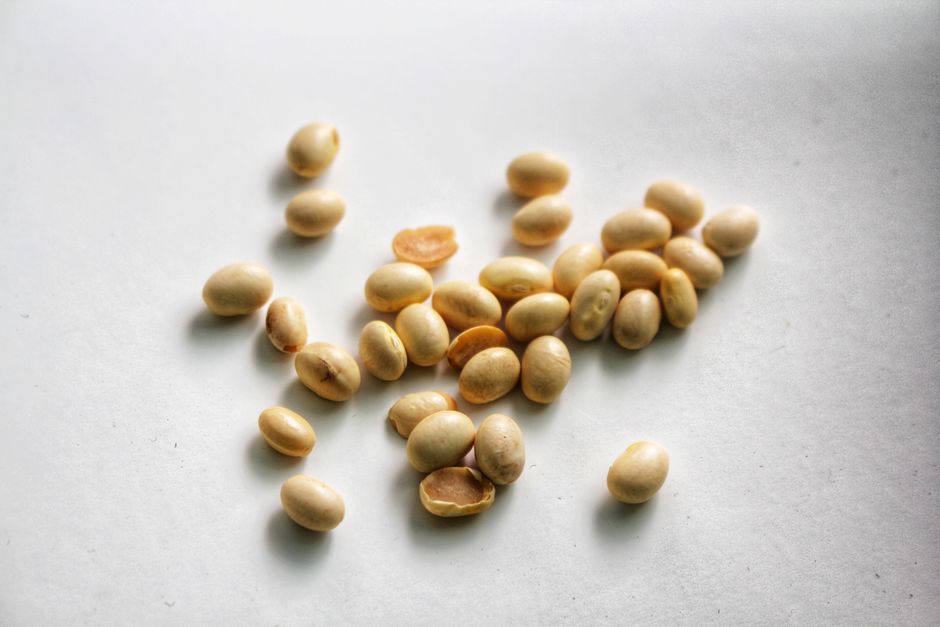
Photo by MOROCCAN PHOTOGRAPHER on Pexels
Nitrogen (N) is a superstar element for life. It's a key ingredient in:
* Proteins: The building blocks of cells and tissues.
* Nucleic acids (DNA and RNA): The genetic material that carries all your biological instructions.
* ATP: The molecule that powers cellular activities.
Even though nitrogen gas (N₂) makes up about 78% of our atmosphere, most organisms can't directly use it in that form. It's like having a huge pile of ingredients you can't eat directly – they need to be cooked or processed first. This is where the nitrogen cycle comes in, transforming atmospheric nitrogen into usable forms and back again.
Here's a simplified look at the main steps in the nitrogen cycle:
graph TD
    A["Atmospheric Nitrogen (N2)"] --> B["Nitrogen Fixation"];
    B --> C["Ammonia (NH3) / Ammonium (NH4+)"];
    C --> D["Nitrification"];
    D --> E["Nitrites (NO2-)"];
    E --> F["Nitrates (NO3-)"];
    F --> G["Assimilation"];
    G --> H["Plants & Animals"];
    H --> I["Decomposition"];
    I --> C;
    F --> J["Denitrification"];
    J --> A;
    G --> I;
Let's break down those steps:
- Nitrogen Fixation: This is the crucial first step. Atmospheric N₂ (the unusable form) is converted into ammonia (NH₃) or ammonium (NH₄⁺), which can be used by plants. This is mainly done by specialized bacteria, some living freely in the soil, and others in a symbiotic relationship with plant roots (like legumes). Lightning can also fix a small amount of nitrogen.
- Nitrification: Other bacteria convert ammonia/ammonium into nitrites (NO₂⁻) and then into nitrates (NO₃⁻). Nitrates are the most easily absorbable form of nitrogen for most plants.
- Assimilation: Plants absorb nitrates or ammonium from the soil and use them to build their own proteins and nucleic acids. When animals eat plants (or other animals), they get their nitrogen this way.
- Ammonification/Decomposition: When plants and animals die, or when animals excrete waste, decomposers (bacteria and fungi) break down organic nitrogen compounds, releasing ammonia/ammonium back into the soil. This is like recycling the nitrogen from dead organisms.
- Denitrification: Yet another group of bacteria converts nitrates back into nitrogen gas (N₂), releasing it into the atmosphere. This completes the cycle.
Understanding these transformations helps you see how nitrogen moves through different parts of the environment and why each step is important for maintaining a balanced ecosystem.
3. Worked Example
Imagine a small field.
- Start: There's plenty of atmospheric nitrogen (N₂) in the air above the field, but the corn plants can't use it.
- Fixation: Special bacteria living in the soil (or on nearby bean plant roots, if any) convert some of that N₂ into ammonia (NH₃).
- Nitrification: Other bacteria quickly convert the NH₃ into nitrites (NO₂⁻), and then into nitrates (NO₃⁻).
- Assimilation: The corn plants' roots absorb these nitrates from the soil. The plants use this nitrogen to grow, making proteins in their leaves and kernels.
- Consumption: A rabbit eats some of the corn leaves, getting the nitrogen it needs to build its own body.
- Decomposition: Eventually, the corn plant dies and the rabbit dies. Decomposers (like fungi and soil bacteria) break down their bodies, releasing ammonia back into the soil from the organic nitrogen in their tissues.
- Denitrification: Other bacteria in waterlogged parts of the field convert some of the leftover nitrates back into atmospheric nitrogen (N₂), which then goes back into the air, completing the loop for that particular bit of nitrogen.
This continuous process ensures that nitrogen is available for new life to grow year after year.
4. Key Takeaways
- Biogeochemical cycles are Earth's natural recycling systems for essential elements.
- Nitrogen is a vital element for all life, forming key components like proteins and DNA.
- Most organisms can't use atmospheric nitrogen gas (N₂) directly; it needs to be "fixed" first.
- Nitrogen fixation, nitrification, assimilation, ammonification, and denitrification are the main steps in the nitrogen cycle.
- Bacteria play critical roles in almost every stage of the nitrogen cycle, transforming nitrogen from one form to another.
-
Human activities, like using fertilizers, can significantly alter the natural balance of the nitrogen cycle.
-
Common Mistakes:
- Thinking all organisms can use N₂ directly from the air.
- Confusing the different forms of nitrogen (e.g., ammonia vs. nitrate).
- Underestimating the role of bacteria; they're the primary drivers.
- Forgetting that decomposition is crucial for returning nitrogen to the soil.
5. Now Try It
Think about a small fish in a pond. Describe, in your own words, how the nitrogen it needs might eventually end up back in the atmosphere, mentioning at least three different forms of nitrogen it passes through on its journey.
Success looks like: You've clearly outlined a plausible pathway for nitrogen from the fish (or its food) back to the atmosphere, identifying at least three distinct nitrogen compounds it transforms into.
Frequently asked about Introduction to Biogeochemical Cycles and Nitrogen's Significance
Study this next
Get the full nitrogen cycle curriculum
Clone the complete plan to your dashboard for unlimited AI-generated notes, practice quizzes, and a personalised revision schedule.
Create Free Account