Education for Economic Participation and Employability
From the Aims, Goals and Objectives of Education curriculum
Education for Economic Participation and Employability
TL;DR
Education helps people get jobs and contribute to the economy. It equips you with skills and knowledge to earn a living. This topic explores how education directly links to your ability to find work and thrive financially.
1. The Mental Model
Think of education as an investment in yourself. The skills and knowledge you gain make you more valuable in the job market. This value translates into better job opportunities and a higher income.
2. The Core Material
Education for economic participation and employability isn't just about getting a degree; it's about developing a set of skills and attitudes that make you a desirable employee and an active economic participant. It focuses on ensuring you can contribute to and benefit from the economy.
2.1 Foundational Skills

Photo by Mehmet Turgut Kirkgoz on Pexels
These are the basics you need for almost any job. They include literacy (reading and writing), numeracy (math skills), and critical thinking (solving problems). Without these, it's tough to succeed in today's workforce.
2.2 Technical Skills
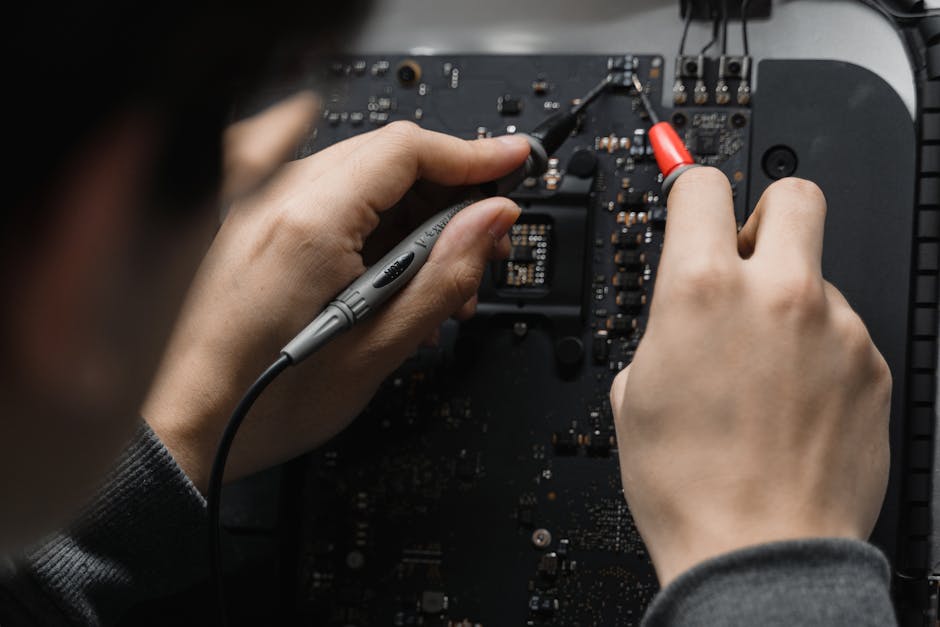
Photo by Tima Miroshnichenko on Pexels
These are specific skills related to a particular job or industry. For example, coding for a software developer, operating machinery for a manufacturing technician, or knowing specific software for an accountant. These are often learned through vocational training, apprenticeships, or specialized degree programs.
2.3 Soft Skills
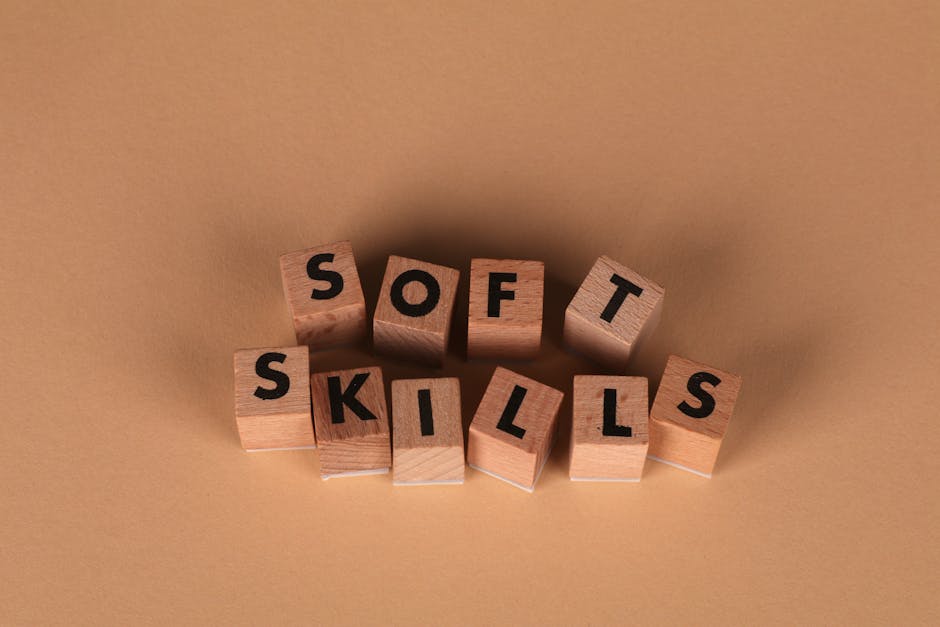
Photo by Ann H on Pexels
Often overlooked but incredibly important, soft skills are personal attributes that enable you to interact effectively and harmoniously with others. These include communication, teamwork, problem-solving, adaptability, and a strong work ethic. Employers consistently rank these highly.
2.4 Entrepreneurial Skills

Photo by Mikhail Nilov on Pexels
Beyond just getting a job, education can also empower you to create your own job. Entrepreneurial skills involve identifying opportunities, taking calculated risks, managing resources, and innovating. This allows you to become an employer rather than just an employee.
2.5 Lifelong Learning
The job market changes constantly. What's in demand today might be obsolete tomorrow. Education for employability emphasizes the need to continually update your skills and knowledge throughout your career. This includes formal training, online courses, or even just learning new things on the job.
Here's how these different aspects of education connect to economic participation:
graph TD
    A["Education"] --> B["Foundational Skills (Literacy, Numeracy)"]
    A --> C["Technical Skills (Job-specific)"]
    A --> D["Soft Skills (Communication, Teamwork)"]
    A --> E["Entrepreneurial Skills (Innovation, Risk-taking)"]

    B --> F["Employability"]
    C --> F
    D --> F
    E --> F

    F --> G["Economic Participation (Jobs, Income, Business)"]
    G --> H["Personal Well-being & Growth"]
    H --> A

    F -- "Requires Ongoing" --> I["Lifelong Learning"]
    I --> F
3. Worked Example
Imagine two individuals, Alex and Ben, both leaving high school.
Alex only focuses on basic academic subjects and doesn't engage in any extracurriculars or vocational courses. While he can read and write, he lacks specific job skills and has limited experience working in teams.
Ben, on the other hand, participates in a vocational program during high school where he learns basic web design (technical skill). He also joins a debate club (improving communication and critical thinking – soft skills) and helps organize a school fundraiser (teamwork, basic project management – entrepreneurial/soft skills).
When both apply for entry-level jobs, Ben has concrete examples of technical and soft skills he can bring to a role. He can point to the website he built and discuss how he collaborated with others in the debate club. Alex struggles to demonstrate practical skills or teamwork experience beyond basic school assignments. Consequently, Ben is much more likely to secure a job and start contributing to the economy sooner.
4. Key Takeaways
- Education directly prepares you for the workforce by providing necessary skills and knowledge.
- Both "hard" (technical) and "soft" (interpersonal) skills are crucial for employability.
- Learning to adapt and continuously update your skills is vital in a changing job market.
- Education isn't just about getting a job; it can also empower you to create your own business.
- Economic participation benefits both the individual and society as a whole.
Common Mistakes to Avoid:
- Ignoring soft skills: Don't think technical skills are enough; employers value communication and teamwork highly.
- Stopping learning after formal education: The world changes; you need to keep learning to stay competitive.
- Underestimating foundational skills: Strong reading, writing, and math abilities are the bedrock of most jobs.
- Failing to connect education to real-world application: Always ask yourself how what you're learning will be useful in a job or business.
5. Now Try It
Think about a career path you might be interested in. Spend 15 minutes researching that career. Identify two essential technical skills and two critical soft skills required for success in that field. Also, consider one way someone in that career might need to engage in lifelong learning. Success looks like having a clear list of these skills and a practical example for each.
Frequently asked about Education for Economic Participation and Employability
More from Aims, Goals and Objectives of Education
Get the full Aims, Goals and Objectives of Education curriculum
Clone the complete plan to your dashboard for unlimited AI-generated notes, practice quizzes, and a personalised revision schedule.
Create Free Account