Liberal Education and Holistic Development
From the Aims, Goals and Objectives of Education curriculum
Liberal Education and Holistic Development
TL;DR
Liberal education aims to develop you as a complete person, not just a specialist, by exploring a wide range of subjects. This approach fosters critical thinking, creativity, and adaptability, contributing to your holistic growth in all aspects of life. Ultimately, it prepares you for a complex world and a meaningful life, beyond just a career.
1. The Mental Model
Think of liberal education as building a strong, versatile foundation for a house, rather than just a single room. It's about developing broad capabilities and a balanced perspective, which allows for robust, all-around growth in every part of your being.
2. The Core Material
Liberal education is a philosophy of learning that emphasizes breadth of knowledge, critical thinking, and the development of a well-rounded individual. It's not about learning a specific trade, but about cultivating intellectual and personal capacities that are valuable across all fields and aspects of life. Holistic development is the natural outcome and goal of this kind of education.
What is Liberal Education?

Photo by Ann H on Pexels
Liberal education comes from the Latin "artes liberales," referring to the skills considered essential for a free person to participate in civic life. Today, it means a curriculum that exposes you to diverse fields like humanities, arts, social sciences, and natural sciences. The core idea is to teach you how to think, not just what to think.
Key aspects include:
* Breadth of Knowledge: You explore various disciplines.
* Critical Thinking: You learn to analyze, evaluate, and synthesize information.
* Communication Skills: You develop strong written and oral expression.
* Problem-Solving: You gain the ability to tackle complex challenges.
* Ethical Reasoning: You consider moral implications and societal impact.
What is Holistic Development?
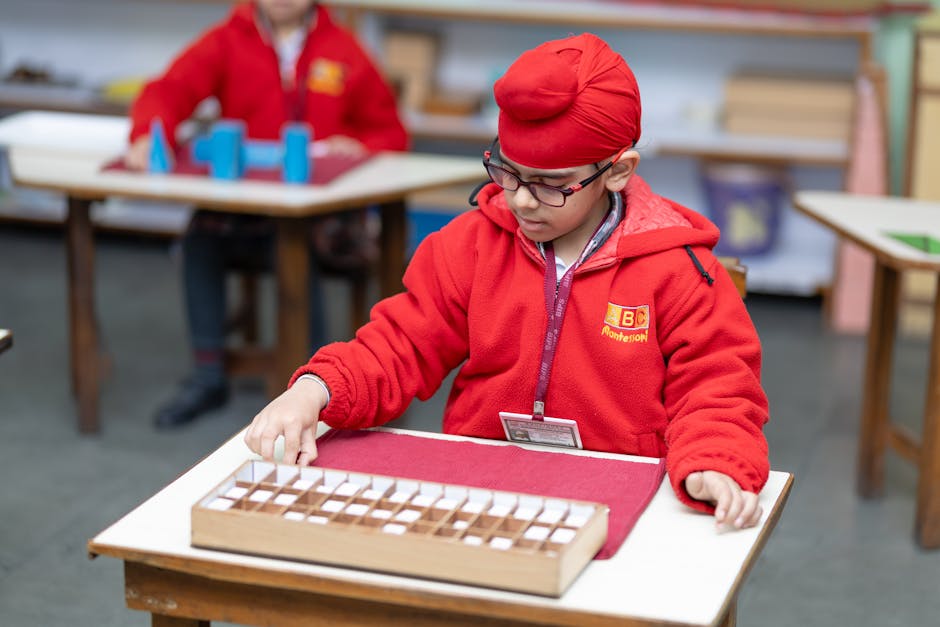
Photo by Bhupindra International Public School on Pexels
Holistic development refers to the growth of a person in multiple dimensions – intellectual, emotional, social, physical, and spiritual – leading to a complete and balanced individual. It's about nurturing all parts of you, not just your academic or professional side.
Dimensions of holistic development:
* Intellectual: Critical thinking, curiosity, lifelong learning.
* Emotional: Self-awareness, empathy, emotional regulation.
* Social: Collaboration, communication, civic engagement.
* Physical: Health, well-being, active lifestyle (though less directly taught, liberal education can encourage this through overall well-being).
* Spiritual/Ethical: Values, purpose, meaning, moral compass.
The Connection: How Liberal Education Fosters Holistic Development
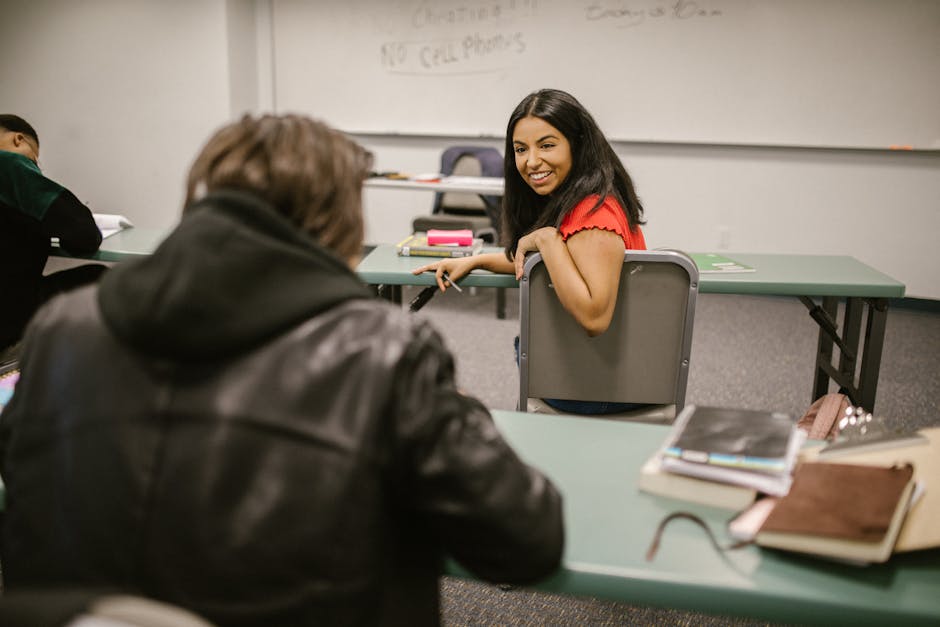
Photo by RDNE Stock project on Pexels
Liberal education is a primary driver of holistic development. By engaging with diverse subjects, you don't just accumulate facts; you develop different ways of seeing the world, understanding people, and solving problems. This broad exposure stimulates growth across all dimensions.
Here's how they connect:
graph TD
    A["Liberal Education Curriculum (Diverse Subjects)"] --> B{{"Cultivates..."}}
    B --> C["Intellectual Growth (Critical Thinking, Curiosity)"]
    B --> D["Emotional Growth (Empathy, Self-Reflection via Arts/Humanities)"]
    B --> E["Social Growth (Communication, Collaboration via Group Projects)"]
    B --> F["Ethical/Moral Growth (Values, Purpose via Philosophy/History)"]
    C --> G["Holistic Development"]
    D --> G
    E --> G
    F --> G
For instance, studying literature can boost your empathy (emotional development) and understanding of different cultures (social development). Learning history helps you analyze patterns and make informed decisions (intellectual and ethical development). Science teaches you systematic problem-solving and understanding the natural world.
3. Worked Example
Imagine you're studying environmental policy.
- A specialized education might teach you the specific laws, regulations, and scientific data directly related to environmental protection. You'd become an expert in that narrow field.
- A liberal education approach would still cover those specifics, but it would also encourage you to take courses in:
- Economics: To understand the market forces and incentives impacting environmental decisions.
- Sociology: To grasp how different communities are affected by and respond to environmental policies.
- Ethics/Philosophy: To debate the moral obligations we have to the environment and future generations.
- Communication/Rhetoric: To effectively advocate for policy changes or explain complex issues to the public.
By engaging with these diverse fields, you don't just learn what environmental policy is; you learn why it's important, how it impacts people, what are the ethical trade-offs, and how to communicate your findings persuasively. This broad perspective makes you a more adaptable, thoughtful, and effective environmental professional, demonstrating holistic growth beyond just technical expertise.
4. Key Takeaways
- Liberal education emphasizes a broad curriculum to develop you as a whole person.
- It focuses on teaching you how to think, rather than just what to think.
- Holistic development means growth across intellectual, emotional, social, and ethical dimensions.
- Liberal education fosters critical thinking, creativity, and adaptability, crucial for a complex world.
- The goal is to prepare you for lifelong learning, informed citizenship, and a meaningful life, not just a career.
Common Mistakes to Avoid:
- Don't confuse liberal education with "liberal" in a political sense; it's an educational philosophy.
- Don't think it means you won't learn practical skills; rather, it provides a robust foundation for them.
- Avoid viewing it as irrelevant to career success; employers often value the 'soft skills' it cultivates.
- Don't limit your understanding of development to just academic achievement; consider all aspects of your personal growth.
5. Now Try It
Think about a current global issue you care about, like climate change, poverty, or social justice. Spend 15 minutes jotting down at least five different academic disciplines (e.g., history, psychology, biology, economics, art) that could offer unique insights into understanding and addressing this issue. For each discipline, briefly explain what specific perspective or tools it would bring to the table.
Success looks like: You've identified a diverse set of disciplines and can clearly articulate how each one adds a different, valuable layer of understanding to your chosen global issue.
Frequently asked about Liberal Education and Holistic Development
Study this next
Get the full Aims, Goals and Objectives of Education curriculum
Clone the complete plan to your dashboard for unlimited AI-generated notes, practice quizzes, and a personalised revision schedule.
Create Free Account