Plant Cell Specific Organelles and Functions
From the ANIMAL AND PLANT CELL curriculum
Plant Cell Specific Organelles and Functions
TL;DR
Plant cells have unique organelles like the cell wall, chloroplasts, and a large central vacuole that animal cells lack. These specialized parts allow plants to perform photosynthesis, maintain structure, and store nutrients. Understanding these differences helps explain how plants survive and grow.
1. The Mental Model
Think of a plant cell as a tiny, self-sustaining factory with special departments. It has strong walls for support, solar panels for energy, and a big storage unit for water and waste. These unique parts are why plants can stand tall and make their own food.
2. The Core Material
You've probably learned about general cell parts like the nucleus and mitochondria. Plant cells have these too, but they also have three key organelles that set them apart from animal cells: the cell wall, chloroplasts, and the large central vacuole.
The Cell Wall: Your Plant's Outer Armor
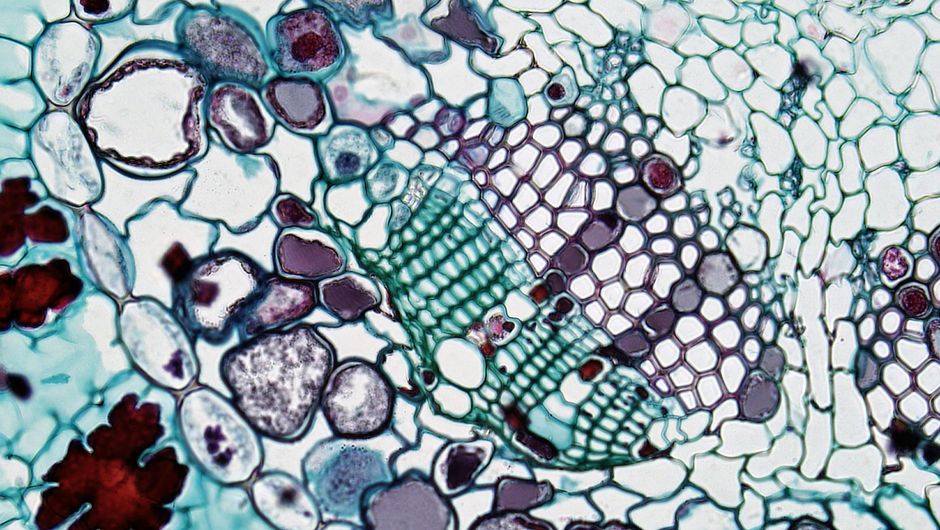
Photo by Fayette Reynolds M.S. on Pexels
The cell wall is a rigid outer layer that surrounds the plasma membrane. It's primarily made of cellulose. Think of it as a strong, protective exoskeleton that gives the plant cell its definite shape and prevents it from bursting when it takes in too much water. It also provides structural support for the entire plant, allowing trees to grow tall.
Chloroplasts: The Solar Panels
Photo by Budget Bizar on Pexels
Chloroplasts are the sites of photosynthesis. These oval-shaped organelles contain a green pigment called chlorophyll, which captures sunlight. Inside, stacks of disc-like structures called thylakoids (grouped into grana) are where light energy is converted into chemical energy (sugars). This process is how plants make their own food, a crucial difference from animals.
The Large Central Vacuole: Storage and Support
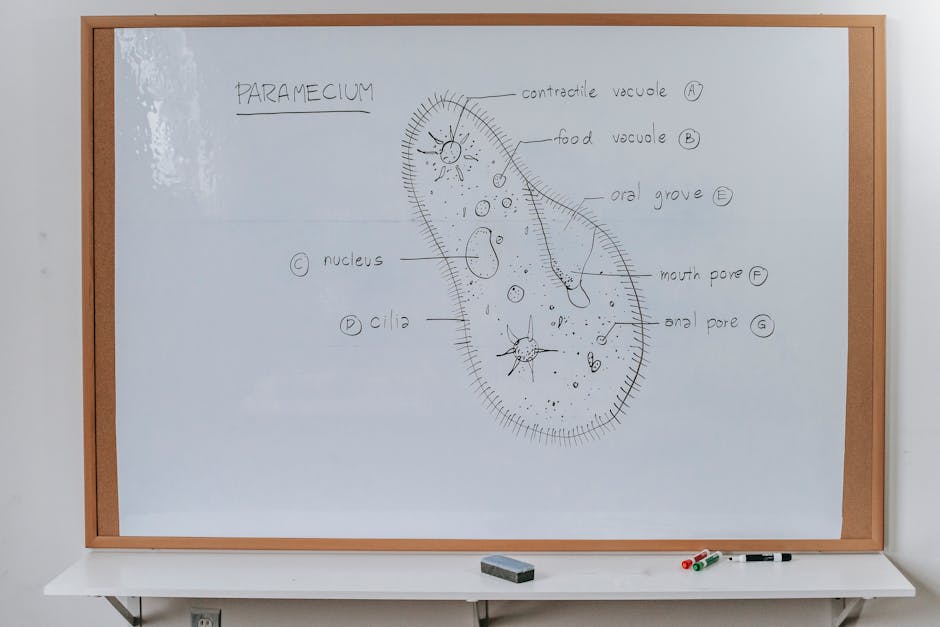
Photo by Katerina Holmes on Pexels
The large central vacuole is a massive, membrane-bound sac that can take up 30-80% of the cell volume. It stores water, nutrients, waste products, and even pigments. When full of water, it pushes against the cell wall, creating turgor pressure. This pressure is vital for maintaining the cell's rigidity and supporting the plant. If a plant wilts, it's often because its vacuoles have lost too much water.
Here's how these unique organelles work together in a plant cell:
graph TD
    A["Sunlight"] --> B["Chloroplasts (Photosynthesis)"]
    B --> C["Sugars (Energy)"]
    C --> D["Mitochondria (Cellular Respiration)"]
    D --> E["ATP (Cell Energy)"]
    F["Water & Nutrients"] --> G["Large Central Vacuole (Storage & Turgor)"]
    G --> H["Cell Wall (Structural Support)"]
    H --> I["Plant Structure"]
    B -- "Produce O2" --> J["Atmosphere"]
    J -- "CO2 for Photosynthesis" --> B
Plasmodesmata: Cell-to-Cell Communication

Photo by Fayette Reynolds M.S. on Pexels
While not an organelle in the same way, plasmodesmata are tiny channels that pass through the cell walls of adjacent plant cells. They allow for direct communication and transport of water, nutrients, and signaling molecules between cells. Think of them as tiny bridges connecting neighboring factories.
3. Worked Example
Imagine you're looking at a microscopic slide of a plant leaf cell. You'd see the distinct, somewhat rectangular outline given by the cell wall. Inside, you'd spot several bright green, oval-shaped structures: these are the chloroplasts, busy capturing light. Taking up much of the central space, you'd observe a clear, large area, which is the central vacuole, pressing against the other organelles and keeping the cell firm. If this cell were losing water, you'd notice the vacuole shrinking and the cell becoming flaccid, causing the leaf to wilt.
4. Key Takeaways
- The cell wall is a rigid outer layer providing structural support and protection.
- Chloroplasts are the sites of photosynthesis, converting sunlight into food.
- The large central vacuole stores water, nutrients, and waste, and maintains turgor pressure.
- Turgor pressure from the vacuole is essential for plant rigidity and preventing wilting.
- Plasmodesmata facilitate communication and transport between adjacent plant cells.
Common mistakes to avoid:
- Don't confuse the cell wall with the cell membrane; the cell wall is outside the membrane.
- Don't forget that plant cells still have mitochondria for cellular respiration, even though they have chloroplasts.
- Don't assume the vacuole is just for storage; its role in turgor pressure is equally vital.
- Don't think plasmodesmata are unique to plant cells; animal cells have similar gap junctions.
5. Now Try It
Draw a simple diagram of a typical plant cell. Label the cell wall, chloroplasts, and the large central vacuole. Briefly describe in one sentence next to each label what its main function is, focusing only on the unique aspects discussed here. Success means your diagram clearly shows these three distinct parts and their labeled functions are accurate and concise.
Frequently asked about Plant Cell Specific Organelles and Functions
Study this next
Get the full ANIMAL AND PLANT CELL curriculum
Clone the complete plan to your dashboard for unlimited AI-generated notes, practice quizzes, and a personalised revision schedule.
Create Free Account