Introduction to the Indus Valley Civilization
From the ssst curriculum
Introduction to the Indus Valley Civilization
TL;DR
The Indus Valley Civilization (IVC) was an ancient, advanced civilization in South Asia, known for its well-planned cities and mysterious undeciphered writing. It flourished between 2500 and 1900 BCE, coexisting with Mesopotamia and ancient Egypt. Its decline is still debated, but environmental changes likely played a significant role.
1. The Mental Model
Think of the IVC as a highly organized ancient society with impressive urban planning and engineering skills, but one whose language we still can't read. They built cities along a major river, much like other early civilizations.
2. The Core Material
The Indus Valley Civilization, also called the Harappan Civilization, emerged around 2500 BCE in what is now Pakistan and northwestern India. It was one of the three early civilizations of the Ancient Near East and South Asia, alongside Ancient Egypt and Mesopotamia, but it had unique characteristics.
Discovering the IVC

Photo by Jahra Tasfia Reza on Pexels
For a long time, historians believed Indian history began with the arrival of the Aryans. However, the discovery of Harappa in the 1920s, and later Mohenjo-Daro, revealed a much older, sophisticated urban culture. These excavations completely changed our understanding of ancient South Asia.
Key Features of IVC Cities

Photo by Sergey Guk on Pexels
IVC cities like Mohenjo-Daro and Harappa were remarkably well-planned, showing advanced urban design for their time.
- Grid Layouts: Streets were laid out in precise grid patterns, intersecting at right angles.
- Drainage Systems: They had sophisticated public drainage systems, including covered sewers and private baths in many homes. This was incredibly advanced for the period.
- Standardized Bricks: Buildings were constructed using uniform, kiln-fired bricks.
- Citadels: Many cities had a raised area, or citadel, possibly for administration or religious purposes.
- The Great Bath: Mohenjo-Daro features a large public bath, likely used for ritual bathing.
- Granaries: Large structures believed to be granaries suggest organized food storage and distribution.
IVC Society and Economy

Photo by Jimmy Chan on Pexels
The IVC didn't leave behind monumental temples or massive tombs like Egypt, suggesting a different social structure, possibly less focused on powerful kings or pharaohs.
- Trade: They had extensive trade networks, exchanging goods like pottery, seals, and jewelry with Mesopotamia, Oman, and parts of Central Asia.
- Crafts: Evidence shows skilled craftsmanship in metallurgy (copper, bronze), pottery, and seal carving.
- Agriculture: They cultivated wheat, barley, peas, and cotton, and domesticated animals like cattle, sheep, and goats.
The Mystery of the Indus Script
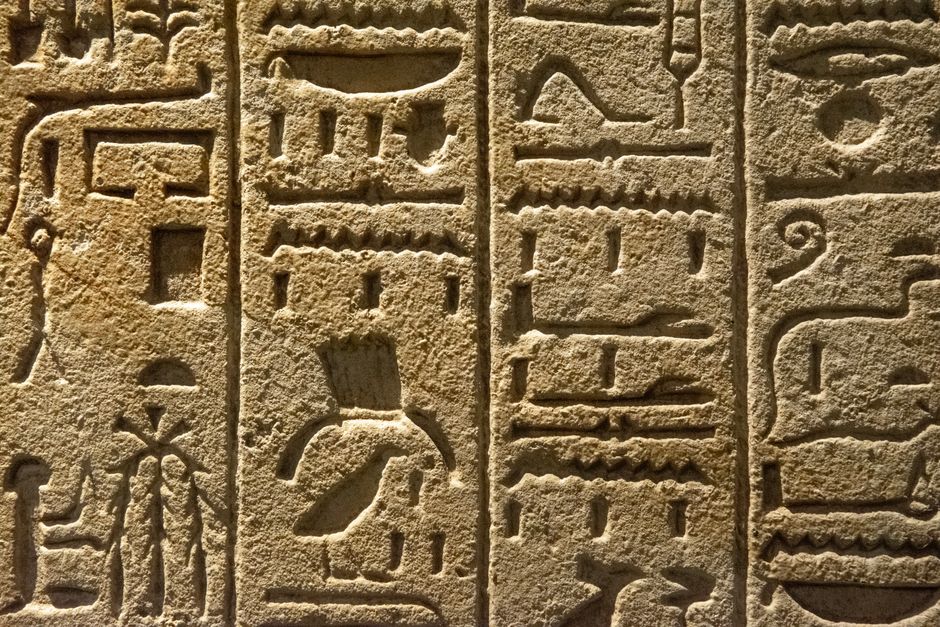
Photo by Jan van der Wolf on Pexels
One of the most intriguing aspects is their writing system, the Indus Script. It appears on numerous seals, pottery, and small tablets.
- Undeciphered: Unlike Egyptian hieroglyphs or Mesopotamian cuneiform, the Indus Script has not yet been deciphered. This is partly because the inscriptions are very short, and there's no known bilingual text (like the Rosetta Stone).
- No Clear Link to Later Languages: We don't have a definitive link to any modern language, making decipherment incredibly difficult.
Decline of the IVC
Around 1900 BCE, the IVC began to decline. The exact reasons are still debated, but environmental factors are widely considered significant.
graph TD
    A["Initial IVC flourishing (c. 2500-1900 BCE)"] --> B["Environmental Stressors"]
    B --> C1["Shifting River Courses (especially Ghaggar-Hakra)"]
    B --> C2["Decreased Rainfall/Drought (Monsoon patterns changing)"]
    C1 --> D["Agricultural Decline"]
    C2 --> D
    D --> E["Resource Scarcity"]
    E --> F["Deurbanization/Migration"]
    F --> G["Decline of Trade Networks"]
    G --> H["Breakdown of Centralized Systems"]
    H --> I["Abandonment of Major Cities"]
    I --> J["Late Harappan Period (Regional cultures emerge)"]
3. Worked Example
Imagine you're an archaeologist in the 1920s working at Mohenjo-Daro. You've just uncovered a section of a city. Here's what you might find and what it tells you:
You dig down and find a street, surprisingly straight and about 10 feet wide, made of brick. On either side are houses also built from uniform, kiln-fired bricks. As you excavate a house, you notice a small room with a carefully laid brick floor and a drain leading out to a larger covered channel under the street. Deeper in the house, you find several clay pots, some containing charred grains, and a small, square stone seal with a unique animal carving and a few undeciphered symbols.
This single section tells you:
1. Advanced Urban Planning: The straight street and uniform bricks show a planned city, not a haphazard settlement.
2. Sophisticated Sanitation: The private bath and public covered drain are evidence of advanced civil engineering and public health consciousness.
3. Agriculture & Storage: The charred grains confirm agriculture and suggest food storage within homes.
4. Literacy & Art: The seal indicates the presence of a writing system (even if undeciphered) and skilled artistry.
5. Standardization: The uniform bricks highlight a high degree of organization and potentially a central authority capable of regulating production.
4. Key Takeaways
- The Indus Valley Civilization was an advanced Bronze Age culture in South Asia, flourishing from about 2500 to 1900 BCE.
- Its cities, like Mohenjo-Daro and Harappa, were known for impressive urban planning, grid layouts, and sophisticated drainage systems.
- The IVC had an extensive trade network and produced skilled crafts but lacked monumental architecture like pyramids or ziggurats.
- The Indus Script remains undeciphered, making understanding their culture and beliefs challenging.
- The decline of the IVC is largely attributed to environmental factors, such as changing river courses and monsoon patterns.
- It represents an early, highly organized society that shaped the ancient history of South Asia.
Common Mistakes to Avoid:
- Don't confuse the Indus Valley Civilization with later Indian empires (like the Mauryan or Gupta empires); the IVC is much older.
- Don't assume the Indus Script is deciphered or that we know what its symbols mean.
- Don't think of the IVC as primitive; they were technologically and socially advanced for their time.
- Don't attribute their decline solely to invasion; environmental factors are considered more significant.
5. Now Try It
Imagine you are an urban planner trying to design a sustainable city today, but you can only use technology available to the Indus Valley Civilization. Your task is to list five features you'd borrow directly from IVC cities to make your city organized and functional, and briefly explain why each feature would be useful.
Success looks like: A list of five specific IVC urban features (e.g., "grid street plan"), each with a concise explanation of its practical benefit for a city without modern technology.
Frequently asked about Introduction to the Indus Valley Civilization
More from ssst
Get the full ssst curriculum
Clone the complete plan to your dashboard for unlimited AI-generated notes, practice quizzes, and a personalised revision schedule.
Create Free Account